
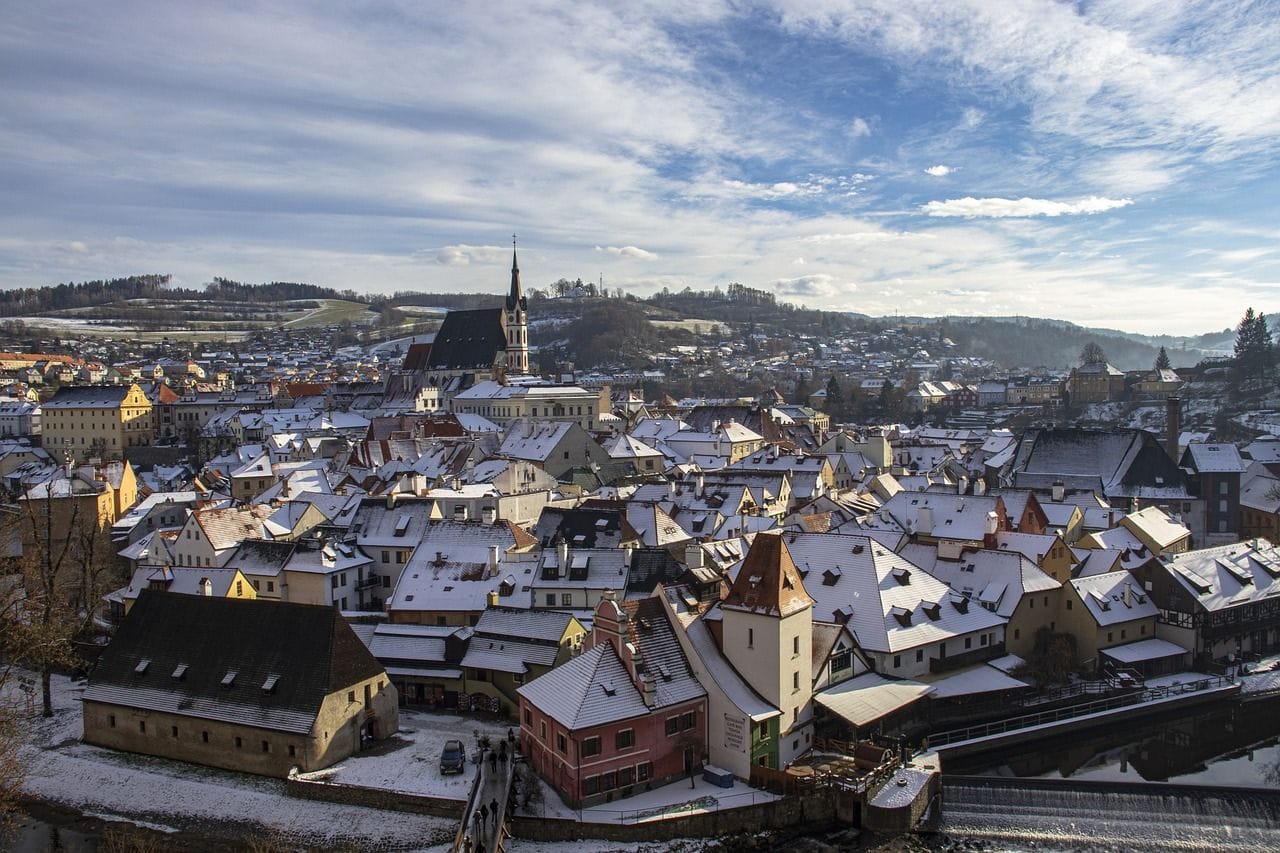
Most visits in December feel magical with Prague’s fairy-lit squares and a good chance of snow, but you should expect cold weather, short daylight and peak holiday crowds. This guide shows what to expect, how to save money and time, which events to catch, and sample 3–7 day itineraries. Pack your warm layers, slip-resistant boots, and a mix of card + CZK; book Prague hotels early and watch for icy pavements and transport limits on New Year’s Eve.
Key Takeaways:
- Prague’s fairy-lit markets and winter scenery are magical in December, but expect cold, short daylight, slush/ice—pack warm layers, waterproof boots, and plan outdoor sight-seeing for mid-day.
- Book hotels, concerts and ski lodging early for peak dates (late Dec → New Year); early–mid December weekdays typically have lower rates and fewer crowds.
- Top experiences include main Christmas markets, classical concerts, outdoor ice rinks and nearby ski resorts; use trains for major connections and carry some CZK cash for market stalls.
Types of Experiences in December
| Christmas markets | Old Town Square, Wenceslas Square and neighbourhood markets like Náměstí Míru — festive stalls, street food (svařák, klobása, trdelník), heavy crowds around late Dec; best in early–mid December. Book early for central hotels. |
| Museums & concerts | Prague Castle, National Gallery, Jewish Museum and concert halls (Rudolfinum, Estates Theatre) offer warm indoor days and classical performances; buy tickets in advance for holiday concerts. |
| Skiing & winter sports | Resorts like Špindlerův Mlýn, Pec pod Sněžkou and Černá hora open for downhill, cross‑country and sledging — check snow reports, expect higher lodging prices once slopes open and follow avalanche notices. |
| Scenic day trips | Kutná Hora (Sedlec Ossuary), Český Krumlov (very photogenic in snow), Karlštejn Castle — trains and buses connect these but check winter timetables and site opening hours. |
| Family & offbeat | Outdoor ice rinks, puppet shows, museum trails for kids, beer spas and nearby thermal/wellness options — great for mixed itineraries; bring cash for small vendors and expect icy pavements. |
- Christmas markets
- Prague museums
- ski resorts
- day trips
- winter safety
Winter Wonderland: Christmas Markets
You’ll find the largest markets in Old Town Square and Wenceslas Square, but smaller neighbourhood markets like Náměstí Míru give a more local vibe and shorter queues; expect stalls to run from late November through early January and peak crowds around Christmas week. Temperatures in Prague generally sit around 0–4 °C by day with nights often below freezing, so layer up when you plan market-hopping.
Go midweek or early–mid December to enjoy the lights with fewer people, carry CZK cash for small vendors, and sample svařák, klobása and trdelník; if you want an in-depth winter-in-Prague perspective, see Visiting Prague in Winter: Worth It or Not?
Cultural Escapades: Museums and Concerts
You can spend whole days inside world-class collections — plan a museum day at the National Gallery or the Jewish Museum when the weather is harsh and book an evening concert at the Rudolfinum or Estates Theatre for a seasonal programme; many holiday concerts sell out, so buy tickets online in advance.
Because daylight is short, schedule outdoor sightseeing for midday and reserve museum or concert tickets for afternoons or evenings; smaller galleries and neighbourhood theatres often have fewer tourists and more affordable tickets.
More info: check opening hours (some sites shorten hours in December), look for combined-ticket deals, and consider an audio guide to speed visits if you have limited daylight.
Adventure Awaits: Skiing and Winter Sports
You’ll find downhill runs at Špindlerův Mlýn and Pec pod Sněžkou and beginner-friendly slopes at Černá hora; lift passes vary by resort and weekend prices jump once snow cover is reliable — compare multi-day pass discounts and reserve rentals ahead of time. If you plan to drive, ensure your rental has winter tyres and be prepared for occasional road closures.
Cross-country trails, sledging runs and family snow parks open early in the season when conditions permit; guided off‑piste tours are available but only with certified guides and proper equipment due to changing snow stability.
More info: trains and buses link Prague with mountain gateways (reserve seats on holiday weekends), Špindlerův Mlýn is about 150 km from Prague by road, and many resorts publish daily snow reports — check those before you go.
Scenic Getaways: Day Trips from Prague
Kutná Hora is 1–1.5 hours by train and perfect for a half-day visit to the Sedlec Ossuary and cathedral; Český Krumlov takes longer (around 3 hours by bus/train) but is stunning when dusted with snow — watch for shorter opening hours in winter and possible weather delays. Karlštejn Castle is easy by 40‑minute train and makes a quick, photogenic half-day trip.
Opt for guided tours if you want hassle-free transport in winter, or take regional trains for flexibility but book connections early on holiday weekends.
More info: pack a daypack with insulated layers and check return train times before you head out — some rural services have reduced frequency in December.
Assume that you’ll need flexible plans for weather, so prioritise tickets for markets, concerts and lifts, schedule outdoor sights for midday, and book key accommodation and transport well in advance.
Essential Tips for December Visitors
- Pack layers — base layer, insulating mid-layer, and an insulated waterproof jacket.
- Carry CZK cash for market stalls and rural towns; use a multi-currency card for everyday purchases.
- Book early for Prague hotels and New Year events; aim for reservations 6–12 weeks ahead for peak dates.
- Visit in early–mid December or weekdays to avoid the biggest crowds.
Weather Preparedness: Dressing for the Cold
Daytime highs in Prague average around 0–4 °C with nights often below freezing, so you should build outfits around layers: thermal base layers, a warm mid-layer (fleece or wool), and an insulated waterproof jacket. Footwear matters — bring slip-resistant winter boots with grippy soles because you will encounter icy pavements and slushy streets at market sites.
Carry warm accessories (hat, waterproof gloves, scarf) and consider chemical hand-warmers for long outdoor market visits; plan outdoor sightseeing for mid-day when temperatures and light are best. Sunglasses and sunscreen are useful if you hit snowy viewpoints — glare on fresh snow can be intense.
Budgeting Wisely: Costs and Savings
Expect accommodation and tours in Prague to spike around Christmas Eve → New Year; daily budgets vary: €50–€100/day (budget), €100–€200/day (mid-range), and €150–€350+/day in ski/high season. You’ll often find lower hotel rates on early–mid December weekdays, so shifting dates by a few days can cut costs significantly.
Use a multi-currency card for the best exchange rates and withdraw cash from ATMs when you need it — avoid airport exchange kiosks that apply wide spreads. Buy 24/72-hour public-transport passes for Prague instead of frequent single tickets, and look for combined attraction/tour discounts to save on entry fees and guided tours.
Tip amounts and sample prices to plan with: market meals are often around €5–€12 (sausage, trdelník, svařák), casual sit-down dinners ~€12–€25 per person; a sensible ATM withdrawal is 1000–3000 CZK to reduce repeated fee hits, and many restaurants expect a ~5–10% tip or simple rounding up of the bill.
Navigating the Crowds: Best Times to Visit
The busiest window runs from Christmas Eve through New Year and during local school-holiday weekends; for fewer people aim for early–mid December and weekday mornings. Head to Charles Bridge or Old Town before 9:00 AM (dawn shots are ideal) if you want photos with significantly fewer tourists.
Smaller neighbourhood markets (Náměstí Míru, Jiřího z Poděbrad) and less central sights like Vyšehrad or Letná Park offer the festive feel without the crush; schedule popular indoor attractions for late-afternoon slots when outdoor markets are busiest.
Practical crowd hacks: reserve timed tickets or guided tours for Prague Castle and major museums, book restaurant tables a few days in advance for evenings, and use tram lines (e.g., tram 22 early to the Castle) or the metro to bypass packed pedestrian zones.
Local Currency: What You Need to Know
The Czech currency is the Czech koruna (CZK) — expect roughly 1 EUR ≈ 24–26 CZK as a ballpark. Cards are widely accepted across Prague and larger towns, but many market stalls and rural vendors are cash-only, so keep small-denomination notes on hand (100/200 CZK).
Prefer ATMs for the best practical exchange rate; avoid airport exchange desks with high margins and check that your card supports chip-and-PIN or contactless payments. Some rural shops may not accept contactless for larger sums, so plan accordingly.
For the smoothest handling, use services like Revolut or Wise for low-fee card payments and favorable exchange rates, and consolidate ATM withdrawals to 1000–3000 CZK to minimize fees from your home bank.
Perceiving these practical points — from layering and snow-safe boots to smart CZK handling, timed bookings and off-peak windows — will help you stay warm, save money and enjoy the best of Prague and the Czech Republic in December.
Step-by-Step Planning Guide
| Plan | Extra tips |
Creating Your ItineraryYou should build a flexible core: pick a 3–7 day shape based on travel time — for example, 3 days in Prague (Old Town, Castle, one neighbourhood market) or 4–7 days split as 3 city + 3 mountain days. Aim to schedule outdoor sightseeing for mid-day when temperatures are highest and light is best; that reduces time spent standing on chilly cobbles and gives better photos between 11:00–15:00. When you slot in day trips, allow realistic transit: Kutná Hora is ~1 hour by train from Prague, Český Krumlov ~3 hours by bus/train; Špindlerův Mlýn and Pec pod Sněžkou require a full travel day from Prague so plan 2–3 nights if you want skiing. Also reserve special events (classical concerts, Christmas-market chef dinners, New Year concerts) at least several weeks ahead for December weekends. | Tip: Use the early–mid December window to get the lights and markets without the end-of-December surge; book major tickets 2–6 weeks in advance and keep one indoor museum or café stop per cold afternoon as a backup. |
Booking Accommodations: Where to StayBook central Prague (Old Town, Lesser Town) if you want to be within walking distance of the main markets and New Year’s festivities, but expect higher prices and noise around Christmas week and New Year’s Eve. For a quieter, cheaper stay choose Vinohrady or Žižkov — both are 10–20 minutes by tram and have great cafés and local markets. If you’re heading to ski areas, lock lodging as soon as slopes open — ski resorts (Špindlerův Mlýn, Pec pod Sněžkou) fill quickly and packages that bundle lift passes with rooms often save you money compared with last-minute bookings. | More info: Prefer apartments for longer stays or family travel (kitchen + heat control); pick hotels that list heating, soundproof windows and luggage storage. Check cancellation policies and holiday check‑in times; many places alter reception hours on 24–26 Dec and 31 Dec → 1 Jan. |
Transportation Made Easy: Getting AroundBuy Prague transport passes (24/72-hour) for tram, metro and bus travel if you’ll be moving around the city; single tickets are time-based and can waste time if you constantly top up. Reserve intercity and mountain-bound trains on busy weekends — ČD, RegioJet and Leo Express run frequent routes, and seats can sell out on market-heavy weekends. If you rent a car for mountain access, plan for slower winter driving and possible road closures; give yourself extra transfer time to/from Václav Havel Airport in bad weather and for New Year’s Eve when some links are restricted. | More info: For airport transfer: bus 119 + Metro A is the usual public route, taxis and rideshares take ~25–35 minutes to the centre in normal conditions — allow 60–90 minutes in poor weather. For trains to resorts, book a seat reservation on long journeys and check local shuttle timetables from the station to the ski base. |
Must-See Attractions: Top PicksPrioritise Prague Castle (allow 3–4 hours if you include the cathedral and galleries), Old Town Square at dusk for the market lights, and an early-morning Charles Bridge visit if you want photos with far fewer people. Add one or two day trips: Kutná Hora (Sedlec Ossuary + town centre) for ~half‑day; Český Krumlov for a full-day trip when road/rail conditions permit. Book tickets for popular museums and concerts in advance — the National Theatre and major classical concerts often sell out on weekend evenings in December. For ski options, pick resorts with reliable lift openings and check snow reports before you travel. | More info: For events, check market opening dates (main Prague markets commonly run end‑Nov → Jan 6) and reserve timed entries for the Jewish Museum or specific castle exhibitions to avoid queueing in the cold. |
Factors to Consider Before You Go
- Weather: daytime highs ~0–4 °C in Prague, nights often below freezing — pack layers and waterproof outerwear.
- Crowds & timing: early–mid December is quieter; late December (Christmas Eve → New Year) is the busiest and most expensive.
- Accommodation & prices: central hotels spike around market weekends and holidays — book well ahead.
- Transport: tram/metro network runs in winter but expect delays in bad weather; trains link Prague to mountain gateways.
- Safety: icy pavements and slush are common—bring slip-resistant boots and allow extra time for transfers.
- Local customs and opening-hour closures on Štědrý den (Dec 24) — plan dining and shopping accordingly.
Local Customs and Traditions in December
You’ll notice the calendar of events matters: Mikuláš (Dec 5–6) processions, Advent concerts, and the main family celebration on Štědrý den (Dec 24) when many shops and services close early. Markets are central to the season — expect vendors selling svařák, klobása and handmade gifts, and plan meals around market hours if you’re staying in the city centre.
For specific outing and day-by-day ideas in chilly conditions, check a compact itinerary like Things to Do in Prague in Winter: Itinerary Ideas for Cold, and be aware that classical concerts and church services often sell out — book tickets in advance for the most popular evenings.
Accessibility for All Travelers
You’ll find Prague mostly walkable but with cobblestones and steep sections (Prague Castle approach) that can challenge wheelchairs and strollers; many trams are low-floor but not every metro station has elevators. Choose accommodation near an accessible tram stop or a metro station with lifts, and verify elevator access when booking — streets can be slippery, so surface conditions matter as much as distance.
Contact attractions ahead for ramp or lift info, and plan routes that favour flat, paved streets (for example the riverbank promenades) when daytime ice is present; mountain resorts will have reduced accessibility in snow, so arrange special transport or local assistance if you need it.
Understanding Czech Cuisine: What to Try
Try market staples to warm up: svařák (mulled wine, typically 50–100 CZK), trdelník (chimney cake), klobása, plus classic dishes like goulash and svíčková. If you’ll be in Prague for Christmas Eve, expect traditional carp and potato salad in many family menus and some restaurants offering special holiday menus — book ahead for those dates.
Vegetarian options are common in urban cafés (look for smažený sýr or hearty soups), and small eateries will usually tell you about allergens if you ask; market food is fast, filling and a great way to taste local flavours without a long sit-down meal.
This checklist helps you weigh weather, crowds, accessibility and food choices so you can pick dates, pack correctly and book the right places in advance.
Pros and Cons of Visiting in December
Pros and Cons: December in the Czech Republic
| Pros | Cons |
|---|---|
| Festive Christmas markets in Old Town Square, Wenceslas Square and neighbourhood markets | Cold temperatures: daytime highs ~0–4 °C in Prague, nights often below 0 °C |
| Seasonal foods and drinks — svařák, klobása, trdelník and local crafts | Higher prices for hotels and tours around Christmas, New Year and popular market weekends |
| Snow transforms towns like Český Krumlov and mountain scenery for skiing | Weather variability: rain, slush or thin snow can disrupt plans and close some outdoor activities |
| Early–mid December often means fewer crowds but full markets | Peak crowds late December (Christmas Eve → New Year) and school-holiday weekends |
| Plenty of seasonal concerts, theatre and outdoor ice rinks (Wenceslas Square) | Transport limits and closures on New Year’s Eve; trains and trams may run altered schedules |
| Cozy indoor options — museums, beer spas, cafés for cold afternoons | Icy pavements and slippery cobbles — higher risk of falls in centres with uneven stones |
| Ski resorts (Špindlerův Mlýn, Pec pod Sněžkou) often open for early-season skiing | Ski-area lodging becomes high season when slopes open; availability tight without advance booking |
| Photogenic scenes at dawn and dusk with fairy lights and fewer people if you time visits early | Short daylight hours — plan outdoor sightseeing for mid-day when light and temperatures are best |
Pros: Festive Atmosphere and Unique Experiences
You’ll find Prague’s main markets running from late November through early January (Old Town and Wenceslas commonly open end‑Nov → Jan 6), so you can reliably plan evenings of lights, stalls and live music. Try local specialties — svařák for warming up, a grilled klobása for a quick meal, and a warm trdelník as you stroll; smaller markets like Náměstí Míru give you a more local vibe and shorter queues.
Local culture also shifts into a winter rhythm: daytime museum visits and classical concerts fill colder afternoons, while outdoor ice rinks (for example on Wenceslas Square) and seasonal theatre provide memorable nights. If you head to Český Krumlov or Karlštejn, snow often makes photography spectacular — and ski areas such as Špindlerův Mlýn and Pec pod Sněžkou frequently open lifts in December, giving you a quick mountain escape within 2–3 hours by train or car.
Cons: Weather Challenges and Crowds
Expect short daylight and cold that limits long walking days — Prague daytime highs typically hover around 0–4 °C while nights drop below freezing, so you’ll want insulated layers and slip‑resistant boots. Slush and icy pavements are common in city centres with cobbles; plan indoor activities for the morning or late afternoon when light is weakest and surfaces are slickest.
Late December brings heavy visitor volumes: Christmas Eve through New Year is the busiest stretch in Prague, and hotel rates can spike by 20–50% on peak dates. Transport sees changes too — expect altered tram/train schedules on New Year’s Eve and busy regional trains to mountain resorts during school‑holiday weekends, so book seats and accommodation well in advance.
For mountain travel, check avalanche bulletins and snow reports before you go, fit your rental car with winter tyres if driving, and buy lift passes or equipment online to avoid sold‑out days; trains to ski gateways can require reservations on busy weekends, and travel insurance with a winter‑sports option is strongly advised.
Practical Checklist for Your Trip
Packing Essentials for Winter Travel
Pack for temperatures around 0–4 °C in Prague and colder in the mountains: start with moisture-wicking base layers, an insulating mid-layer (fleece or down), and a insulated waterproof jacket. Bring a warm hat, waterproof gloves, a scarf, and at least one pair of thick wool socks; if you plan to hit the slopes, add thermal ski layers and a helmet or rent them locally.
Footwear matters more than you might expect—choose sturdy, slip-resistant winter boots (avoid thin soles) and consider detachable microspikes if you’ll walk on icy pavements. Pack sunglasses and sunscreen for snow glare, a power bank, an EU adaptor, spare batteries for door locks or cameras, and a small first-aid kit; keep one set of necessarys in your daypack for market visits and short trips into the countryside.
Important Documents and Reservations
Carry printed and digital copies of your passport, visa (if required), accommodation confirmations and booked tours—Prague hotels and popular concerts book out quickly for December weekends and New Year’s, so have confirmations ready. Make sure your travel insurance includes a winter-sports add-on if you’ll ski or snowboard, and keep policy numbers accessible offline.
Reserve long-distance or scenic trains in advance for holiday weekends (for example Prague → Špindlerův Mlýn) and pre-book any New Year’s or classical-concert tickets to avoid lines; store e-tickets on your phone and export PDFs to your device for offline access.
Check specific market dates and opening hours for main Prague markets (Old Town, Wenceslas) and confirm ski-lift timetables before travel—embassy contact details and local emergency numbers saved to your phone can save time if plans change.
Health and Safety Tips
Expect slush and icy pavements—plan walks for mid-day when surfaces are warmer and better lit, and wear boots with good tread or add microspikes for steep streets and castle approaches. If you head to the mountains, check official avalanche notices (Czech Mountain Rescue updates) and stick to marked runs; hiring a guide is wise for off-piste or backcountry routes. This helps reduce accident risk on slippery cobbles and trails.
Carry a small health kit (pain reliever, blister plasters, any prescriptions) and be aware that many pharmacies close early on holidays; keep health-insurance and GP details handy and consider a local SIM or roaming so you can call for help if needed. This provides quicker access to assistance in remote resort areas.
- footwear: microspikes or insulated slip-resistant boots
- visibility: reflective layers for early-night walks
- avalanche: check local reports before mountain trips
- insurance: winter-sports coverage if skiing
- emergency: save embassy and mountain rescue numbers
Keep hydrated and pace outdoor activity—cold can mask fatigue and increase injury risk, especially when walking on cobbles after dark; pack warm layers you can add or remove to manage body temperature on long market walks. This simple habit cuts down on chills and shortens recovery time between outings.
- hydration: carry a reusable bottle and warm drink options
- layers: zip-in mid-layer or down vest for quick warmth
- light: headlamp or phone flashlight for early-morning shoots
- local-aid: pharmacy hours and clinic locations in larger towns
- transport: check tram and train schedules for holiday closures
Final Words
Hence you can make December in the Czech Republic magical by planning ahead, packing warm layers and slip-resistant boots, and booking Prague accommodation, concerts, or ski packages early to avoid holiday price spikes. With short daylight and festive markets, aim for early–mid December or weekday visits to enjoy lights and stalls with fewer crowds, and carry a mix of card and CZK cash for market treats and small towns.
You’ll find a delightful balance of cosy city culture and snowy mountain fun — mix museum days and market strolls with at least one mountain or spa day if you can, and head out at dawn for quieter photos of Charles Bridge and the Old Town. Check transport and lift timetables, follow basic winter-safety advice, and you’ll leave with memorable meals, concerts, and that picture-perfect holiday atmosphere.

I’m Jan, a Czech writer, hiker and travel guide born in Bohemia and based in Prague. I’ve been writing about my home country for 9 years, and I know it the way you only do when you’ve grown up here: the trail signs that locals actually follow, the pubs that aren’t in any guidebook, the castles that get overlooked because they’re not on a tour bus route.
Over 9 years I’ve covered every corner of the Czech Republic, from the Krkonoše ridges and Šumava forests to the wine cellars of South Moravia and the spa towns of West Bohemia. I’ve taken 40+ solo trips across Czechia, Slovakia, Poland, Hungary and Austria and I write in Czech and English, which means I can read the local hiking forums, regional news and municipal information that never gets translated.
My writing covers three areas: practical solo travel in Czechia (getting around by train and bus, hiking safely, visiting castles and landmarks without the crowds), expat and long-term living (the cultural surprises, the bureaucracy, what it actually costs, how the healthcare and transport systems work), and off-the-radar Czech Republic, the places most visitors never reach because they spend all their time in Prague.
Prague is extraordinary, but it’s maybe 10% of what this country has to offer. The rest is what I’m here to write about.