
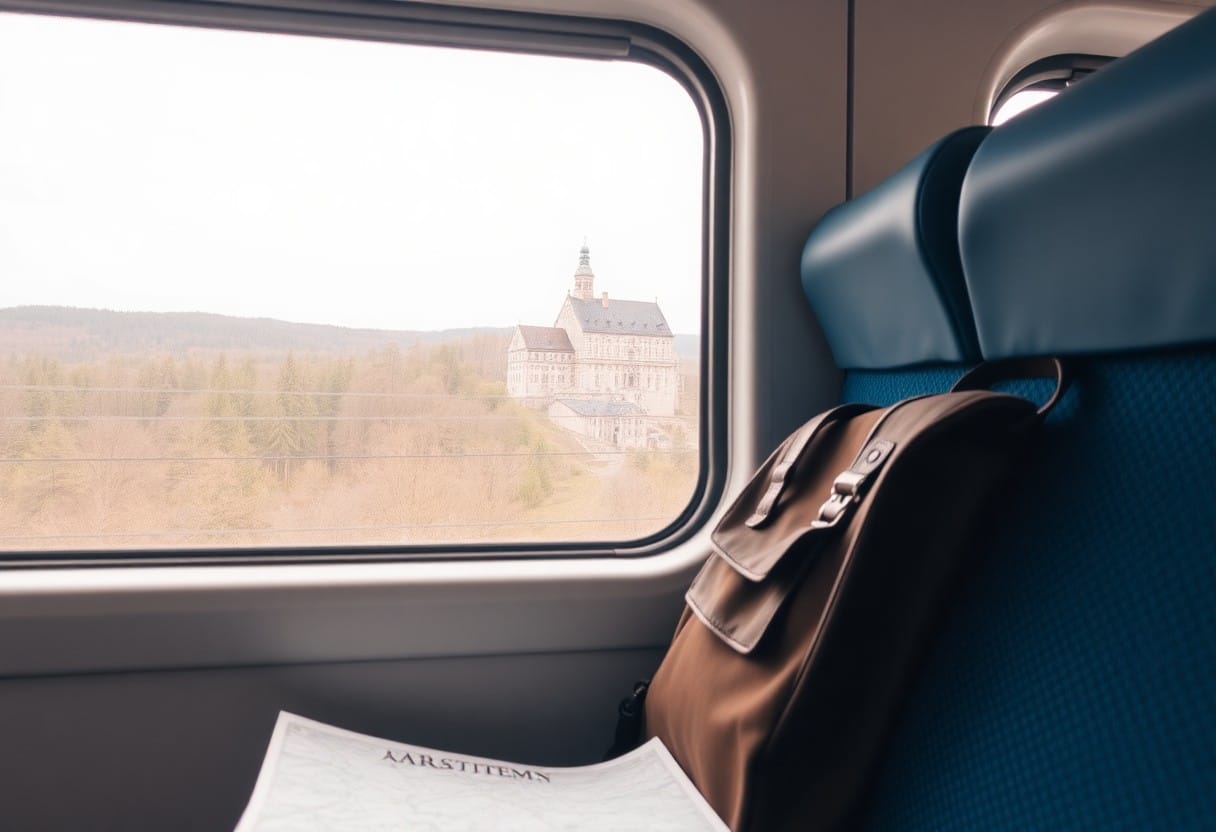
There’s an array of compact, accessible destinations perfect for solo travelers; this guide helps you plan day trips that let you make the most of your time, rely on the efficient train and bus network, savor breathtaking scenery, and stay safe by keeping your itinerary clear and valuables protected – be vigilant in crowded spots where pickpockets target tourists.
Types of Day Trips
Depending on how much time you have, day trips in the Czech Republic range from short 2-4 hour urban loops to full-day excursions of 8-10 hours into the countryside. You can reach many highlights from Prague within 1-3 hours: Kutná Hora is roughly a 1-hour regional train ride, Karlštejn about 40 minutes, and Český Krumlov typically takes 2.5-3 hours by bus or train plus a short transfer. Pay attention to peak-season crowds: pickpocketing spikes in summer at popular sites, and mountain trails carry risks of sudden weather changes, so plan start times and pack layers.
- Historical sites – half- to full-day visits, guided tours and audio guides common, accessible by regional rail.
- Nature retreats – hikes from 3 km loops to 20+ km ridge walks; national parks like Šumava and Krkonoše offer marked trails and refuges.
- Castles & chateaux – many open 9:00-17:00; combine with village cafes and short walks.
- Spa towns & wellness – Karlovy Vary and Mariánské Lázně are day-tripable for a 3-6 hour sampling of thermal culture.
- Cultural experiences – brewery tours, folk festivals, and museum trails; check closing days (many museums close Mondays).
| Type | Example / Typical time / Notes |
| Historical sites | Kutná Hora (1 hr), Karlštejn (40 min) – guided tours, UNESCO sites |
| Nature retreats | Bohemian Switzerland (1.5-2 hr) / Krkonoše (2-3 hr) – marked trails, varying difficulty |
| Castles & chateaux | Český Krumlov Castle (2.5-3 hr) – combine with riverwalks, peak-season lines |
| Cultural spots & festivals | Plzeň brewery tour (~90 min), Telč & Litomyšl towns – check event calendars |
Historical Sites
You’ll want to prioritize sites that pair well with public transit: Kutná Hora (St. Barbara’s Church, Sedlec Ossuary) is a compact 1‑hour train journey from Prague and can be fully explored in 3-4 hours including transport. You can reach Karlštejn Castle in roughly 40 minutes and usually join an English-language guided tour; guided visits clarify medieval defensive architecture and the castle’s role in the 14th century. Be aware that summer weekends bring large coach tours, so arrive early if you prefer quieter passages and photo opportunities.
Smaller forts like Terezín offer intense historical context in a half‑day visit – expect museum exhibits and memorials that require time and sensitivity. If you rely on regional buses, validate timetables in advance: some last return services leave before 18:00. For safety, carry a copy of your route and confirm last-train/bus times; on-site kiosks and tourist information centers often sell combination tickets and timed-entry slots that help you avoid long queues.
Nature Retreats
When you head into the countryside you’ll find vastly different terrain: sandstone gorges in Bohemian Switzerland, volcanic rock towers in Český ráj, and alpine ridgelines in the Krkonoše. Day hikes frequently range from easy 4-6 km loops to full-day 15-20 km treks; for example, the Pravčická brána circuit is commonly done as a 4-6 km walk from Hřensko and takes 2-3 hours on foot. Trail markers are generally reliable but can be obscured in fog, so carry a map or an offline GPS track and check weather forecasts before you set out.
Solo hikers gain a lot from starting early: you’ll avoid afternoon thunderstorms in the mountains and catch better light for views. Many trailheads have clear signage and parking, and regional trains or buses drop you within 5-20 km of major trails; however, some remote sections have limited mobile signal, and steep sections can be slippery after rain, so pack microspikes in winter and sturdy boots year-round. Positive aspects include abundant wildlife sightings-deer and birds of prey are common-and minimal crowds midweek.
To aim higher, plan a route to Sněžka (the Czech Republic’s highest peak at 1,603 m) via Pec pod Sněžkou where you can combine a cable car with a 2-4 hour summit hike; the climb offers clear signage and mountain huts. If you prefer gentler terrain, the Bohemian Forest (Šumava) has well-maintained cycle routes and low-gradient trails ideal for a relaxed solo day focused on solitude and photography.
Cultural Experiences
You should treat cultural day trips as combinations of site visits and sensory experiences: brewery tours in Plzeň typically last 60-90 minutes and include tastings, while towns like Telč or Litomyšl reward slow walking with Renaissance architecture and palace tours. Museums often list English tour times on their websites; a typical municipal museum entry costs around 100-250 CZK, though prices vary. Festivals in summer-folk music in the south or puppet theatre events-can transform a simple day trip into a full cultural immersion, but check dates and buy tickets in advance for popular performances.
Practical planning helps: most museums and many churches close one weekday (often Monday), so you’ll want to align your itinerary around opening hours. Cash is widely accepted but cards are common in tourist areas; carrying some cash is useful for small-market stalls and rural cafés. For an authentic meal, seek out regional specialties-roast duck with dumplings in South Bohemia or Moravian wine tastings in the east-paired with local guidance from small-group food walks or market tours.
Language barriers are generally low in tourist hubs, but learning a few Czech phrases improves interactions with local guides and shopkeepers and can unlock better recommendations for hidden gems and less-crowded times to visit. Any Are there any good places for solo travelers in Czechia?
Tips for Solo Travelers
When planning multiple stops in one day you should treat each day trip like a small expedition: map transport connections ahead, note opening hours, and book any timed-entry tickets for popular sites such as Karlštejn or Český Krumlov. Use apps like IDOS for schedules and Mapy.cz for offline maps; tickets for regional trains and buses often range from 50-300 CZK one way, while urban single fares typically sit around 30-40 CZK, so factor that into your daily plan. Keep one copy of your passport/ID stored in cloud and another folded in your luggage, and prioritize routes that let you return to a major hub before nightfall.
- Carry ~200-500 CZK cash for rural stops and small vendors, but use contactless cards where possible.
- Download Mapy.cz and the ČD/RegioJet apps; validate tickets when required and check platform changes.
- Blend in: learn basic phrases like “Dobrý den” and “Děkuji”, avoid wearing expensive jewelry, and keep valuables in a front pocket or money belt.
- Join small-group tours (many cost 200-600 CZK) for guided access and company on longer single-day excursions.
Use the efficient public transport network to stretch your budget-day-return trips from Prague to nearby highlights often take under 90 minutes and let you pack more into a single day; if a destination requires a long hike, check trail conditions and bus timetables so you’re not stranded after dusk.
Safety Considerations
You’ll encounter the highest petty theft risk in crowded areas such as Prague’s Old Town, Wenceslas Square and main stations like Praha hlavní nádraží; pickpocketing incidents spike during summer festivals and at crowded trams, so keep bags zipped and phones tucked away. Emergency numbers you should have saved are 112 (EU emergency), and local lines 155 (ambulance), 158 (police) and 150 (fire); use licensed taxis or apps like Bolt for late-night rides rather than hailing from the street.
When you head into nature, download offline maps and carry at least 1-2 liters of water plus a basic first-aid kit-some trails in Bohemian Switzerland and Adršpach are exposed and can change quickly with weather. Check local signage for closed routes (seasonal rockfall or maintenance can occur), tell someone your itinerary if you’re taking remote hikes, and keep a portable battery so your phone doesn’t die when you need to call or navigate.
Budgeting and Costs
Plan a typical solo day trip budget of about 400-1,200 CZK (~€16-48): transport might be 60-300 CZK return depending on distance, entry fees for castles or museums commonly range 100-250 CZK, and a sit-down meal runs around 150-350 CZK. You can shave costs by choosing regional buses (FlixBus/RegioJet), packing a picnic from Lidl or Billa, or taking free walking tours in cities where you tip a guide.
Book longer intercity journeys in advance for cheaper fares, use day or group tickets when available, and check for discounts-students, seniors and some EU cardholders often get reduced admission. Keep an eye on ATM fees: withdrawing one larger amount at a bank-affiliated ATM usually gives a better rate than multiple small withdrawals or exchange kiosks with poor margins.
Carry an emergency float of 500-1,000 CZK, keep receipts for cash purchases if you need to track spending, and use contactless payments where accepted to avoid counting small coins; Thou should also leave a copy of your itinerary and a local contact number with someone at home.
Step-by-Step Planning Guide
Quick Planning Checklist
| Step | What to do / Examples |
|---|---|
| Choose destination | Match travel time to your day: Karlštejn ~40 min from Prague, Kutná Hora ~60 min, Český Krumlov 2.5-3 hr by bus/train. Pick by interest (castles, hiking, spa, UNESCO). |
| Create itinerary | Block departure/return times, allow 30-45 min buffers, note museum opening hours (e.g., Sedlec Ossuary 9:00-17:00), prebook guided tours in high season. |
| Transport & tickets | Use ČD/RegioJet for trains, FlixBus/StudentAgency for buses; short regional fares often 50-150 CZK, longer trips 200-400 CZK. Buy on apps/websites or machines. |
| Packing & timing | Comfortable shoes, water, photocopy of ID; plan a 1-2 hr lunch and weather-appropriate layers-some castles have lots of stairs. |
| Safety & contingencies | Keep a screenshot of tickets, note last return options (many regional lines end service ~22:30-23:30), and watch crowded stations for pickpocketing. |
Choosing Your Destination
Weigh travel time against how much you want to do: if you have a strict 8-10 hour window, choose a close site such as Karlštejn (40 min) or Kutná Hora (≈60 min), which let you see a castle or a UNESCO site and still have time for a relaxed lunch. On days when you can leave earlier and return later, plan for farther destinations like Český Krumlov (2.5-3 hr), but accept that travel will eat 4-6 hours of your day.
Also match terrain and hours to your energy: choose Bohemian Switzerland for hiking (expect uneven trails and 300-500 m elevation changes) and Český Krumlov if you prefer cobbled streets and long castle tours with many stairs. Check seasonal hours-many sites reduce guided tours in winter-and note that some attractions close on Mondays; adjust your choice accordingly.
Creating an Itinerary
Start by fixing your departure and return trains/buses with buffers: for example, leave Prague at 07:20 to reach Karlštejn by 08:05, plan 2-3 hours on-site, then catch a mid-afternoon train home-this avoids stress if a tour runs long. Slot specific times for the main sights (castle tour at 10:00), lunch (60-90 minutes), and a final stroll or café stop before departure.
Budget transit time explicitly: if travel takes 2.5 hours each way (Český Krumlov), schedule at least 6-8 hours on the ground to get value from the trip. Use the ČD or IDOS apps to check real-time connections and set alerts for delays; when you prebook guided tours or special activities (rafting, castle night tours), secure morning slots to avoid late returns.
When building detail, create a contingency plan: identify the next three departures back to your base and one alternative activity if the primary site is unexpectedly closed. That way you can trade a museum visit for a riverside walk without scrambling for tickets at the last minute.
Transportation Options
Regional trains (ČD) are reliable for short hops: Prague-Karlštejn ~40 min on the S7, Prague-Kutná Hora ~1 hr from Hlavní nádraží. For longer routes, intercity buses (FlixBus, StudentAgency) commonly run direct to Český Krumlov and cost from ~150-400 CZK depending on demand. RegioJet and private operators sometimes offer more comfortable coaches but check schedules-buses can be faster than convoluted train+bus combos.
Buy tickets via the operator apps or at stations; for ČD you can use the official app or ticket machines at stations, while FlixBus/RegioJet accept e-tickets. Note that weekend travel can be busy-book in advance for popular routes on Saturdays and during summer-and check last-return times: many regional lines have sparse service after 22:30.
If you opt to rent a car, allow extra time for narrow secondary roads and paid parking in historic towns; alternatively, consider bike rentals for short-range explorations-many towns offer hourly rates and marked cycling routes that let you cover more ground at your own pace.
Factors to Consider
When you pick a short excursion, prioritize practical details that determine whether a trip is enjoyable or stressful: transit times, ticket availability and on-the-ground services. For example, Prague to Kutná Hora is about 1 hour by train, Prague to Karlovy Vary roughly 2-2.5 hours by bus, and Prague to Český Krumlov typically takes ~3 hours by combined train and bus – all feasible as day trips but with different margin for delays. Pay attention to safety: crowded tourist spots in Prague and festival sites see frequent pickpocketing, so you should carry valuables discreetly and keep copies of documents; conversely, regional towns often offer quieter, more authentic experiences that benefit solo travelers.
- Transport: frequency of trains/buses, first/last service times, return options.
- Time: real travel time vs. advertised time – factor in connections and transfer waits.
- Costs: regional bus fares (FlixBus/RegioJet) vs. České dráhy discounts and return-ticket savings.
- Accessibility: steps, cobblestones and station layout if you carry large luggage.
- Services: opening hours of museums, restaurants and local tourist info centers.
You should also use local resources and curated experiences to maximize your day: book a morning walking tour in Kutná Hora or an afternoon spa session in Karlovy Vary, and consult guides for solo-specific activities such as the ones listed on Things To Do Alone in Czech Republic – Withlocals. If you plan around museum closing times (many close by 16:00 in smaller towns) and check regional bus return schedules, you’ll avoid rushed outings. Knowing how transit, opening hours and crowd patterns interact will help you choose the best day trips in the Czech Republic.
Seasonality
Summer (June-August) delivers long daylight, many festivals and temperatures often between 20-30°C, making outdoor castles and hikes ideal but also bringing the heaviest crowds; expect higher prices and fully booked trains on weekends. Shoulder seasons – April-May and September-October – typically offer milder weather, fewer tourists and open trails for photography, while winter (December-February) brings short days, occasional snow in the Bohemian Forest and the Krkonoše mountains, and reduced hours for many attractions.
You should plan differently by season: in summer prioritize early starts to beat crowds, in winter check whether mountain roads or smaller museums close (some village sites close entirely between November and March), and in shoulder months verify ferry or park services that may run on limited schedules. Strong winds or heavy snow can affect mountain routes, so always check local forecasts if your day involves alpine trails.
Local Events
Major festivals and events reshape local logistics: the Prague Spring classical festival (late May-June) and the Karlovy Vary International Film Festival (usually July) draw international audiences and create spikes in accommodation and transport demand. Christmas markets from late November through December transform town centers across the country, offering excellent solo experiences but also dense crowds and pickpocket hotspots near stalls – plan for earlier train returns and keep your belongings secure.
You should monitor municipal event calendars and local tourist offices because even smaller towns host folklore festivals, harvest fairs and medieval reenactments that can close streets, alter bus routes or change opening hours for key sites. When an event is scheduled, book tickets and return travel in advance; failure to do so often means sold-out buses or a long wait for a seat.
More info: join small-group walking tours, look for guided day-trip options that handle logistics for you, and use official festival websites for timetable changes and venue maps; these steps reduce the chance of being stranded and increase opportunities to meet locals and other solo travelers.
Pros and Cons of Solo Day Trips
| Pros | Cons |
|---|---|
| Complete flexibility to change plans on the fly-leave Prague at 08:00 for Karlštejn and stay as long as you want. | Can feel lonely during long museum visits or scenic walks without someone to share reactions. |
| You control the pace: linger at viewpoints, spend 3-4 hours in Český Krumlov or just a couple at Kutná Hora. | No shared expenses for guides or taxis, so per-person cost can be higher on some transfers. |
| Easier to pursue niche interests-photography, birding in Bohemian Switzerland, or brewery tours in Plzeň. | Safety risk if you end up alone at night in unfamiliar areas; tourist hotspots can attract pickpockets. |
| Rapid decision-making: catch an earlier RegioJet or ČD train if the weather improves. | Language barrier with older locals in villages-basic Czech phrases help but full communication can be limited. |
| Better focus on personal goals (hiking, architecture, food); you can spend 6-10 hours on a single site. | Missing local insider tips you might get from traveling companions or group guides. |
| Transport reliability: regional trains and buses are frequent and affordable (typical short return fares CZK 100-300). | Unexpected delays or strikes can leave you rearranging same-day plans alone. |
| Opportunity to meet locals or other travellers on your terms-sit at a café and strike up a conversation. | Carrying all gear and documents means more to manage-camera, pack, tickets, passport copies. |
| Solo travel sharpens planning skills and builds confidence for longer trips. | Some experiences, like guided caves or small-group tastings, may be less economical or unavailable solo. |
Advantages of Solo Travel
You can tailor timing and itinerary to weather and crowds: head to Karlštejn early (about a 40-minute train from Prague) to avoid tour buses, or leave later for Kutná Hora (~1 hour by train) when museums are quieter. That freedom means you can spend 2-4 hours exploring a single church or take a 6-8 hour loop hike in national parks without negotiating with others-ideal if you want long photographic sessions or to linger over a single café dish.
Practical benefits add up: regional trains from ČD and private carriers like RegioJet and FlixTrain give you multiple returns per day, often for CZK 100-300, so you can visit farther spots like Český Krumlov (~2.5-3 hours each way) on a flexible schedule. Using the IDOS timetable app and buying mobile tickets in advance can save you time and let you pivot to a spontaneous sunset viewpoint or an extra museum hour.
Challenges and Solutions
Pickpocketing is the main physical risk in busy areas-Prague Old Town and Charles Bridge see the most incidents. Keep passports and large sums in a money belt or locked hotel safe, carry only CZK 300-500 in cash for small purchases, and use contactless cards for the rest. If you’re photographing or navigating, position your bag in front of you and avoid back pockets; that reduces theft risk substantially.
Language and logistics can slow you down: many smaller towns have limited English among older vendors. Learn a few phrases (“Dobrý den”, “Kolik to stojí?”, “Kde je nádraží?”) and download Google Translate with offline Czech. For transport hiccups, build a one- to two-hour buffer into return travel plans, keep a screenshot of your ticket, and use apps (IDOS.cz, RegioJet) to check live departures-this prevents getting stranded when services change.
Health and emergency prep is straightforward: carry travel insurance that covers medical evacuation and theft (minimum medical cover of €30,000 is a common benchmark), keep a photo of your passport on your phone, and note emergency numbers-112 for EU-wide emergencies and 158 for Czech police. These steps cut stress and let you focus on the day’s sights safely.
Recommended Destinations
If you want reliable timetables and clear signage, prioritize destinations that are under two hours from Prague by rail or bus; those routes give you a full day on-site and a comfortable evening return. Karlštejn (≈40 minutes by regional train), Kutná Hora (≈1 hour), and Terezín (≈45 minutes) are examples where services, guided tours, and cafes are readily available, so you can focus on sightseeing without worrying about missed connections. Expect clear wayfinding and frequent departures on these lines, which makes them ideal when you’re traveling solo and want to maximize daytime hours.
When you prefer solitude and landscape variety, pick places that require a short bus link or a 30-60 minute hike from the nearest station; these rewards include dramatic scenery and fewer tourists. Bohemian Paradise (Český ráj), parts of southern Moravia, and the sandstone formations of Bohemian Switzerland all fit that profile and typically need more planning-check bus schedules, pack a map, and allow extra time for local transfers.
Popular Day Trips
Karlštejn delivers a compact, high-value experience: you can be on the castle hill within 30-40 minutes of Prague, buy a guided castle tour for around 250-350 CZK, and still have time for a riverside walk or a beer at a local pub. Kutná Hora gives you the Sedlec Ossuary (small entrance fee, often under 100 CZK) and the Gothic St. Barbara’s Church within a tight walking loop; trains run roughly every hour so you won’t feel rushed. Český Krumlov is farther (about 2.5-3 hours each way by bus/train) but remains doable if you leave before 07:30; prioritize the castle tower and the Vltava-lakeside loop to make the most of a single long day.
For history-minded travelers, Terezín offers a sobering, well-signposted memorial complex a short bus ride from the station and is an efficient half-day visit that pairs well with a quieter afternoon at a nearby village. Keep in mind that busy summer weekends attract tour groups: watch your belongings in crowded sites and book guided tours or timed entries where available to avoid long lines.
Hidden Gems
Prachov Rocks in Bohemian Paradise reward a short hike with labyrinthine sandstone towers and viewpoints-trail loops range from 2 to 7 km, so you can tailor the effort to your fitness and daylight. Třebíč’s Jewish Quarter and the St. Procopius Basilica are UNESCO-listed yet see far fewer visitors than Kutná Hora; trains from Prague take about 2-2.5 hours</strong), which makes for a less hurried, culturally rich day. Telč’s Renaissance square is another quieter UNESCO option with colorful façades and cafés that stay open later into the afternoon.
Bohemian Switzerland’s Pravčická brána is spectacular, but the most convenient approach often requires a train to Děčín followed by a regional bus; total travel time is usually around 2-2.5 hours each way from Prague. Trails can be steep and exposed in places-watch for slippery rock when it rains and plan extra time for return buses, which may run less frequently in low season.
Plan these hidden routes on weekdays or shoulder seasons (late spring, early autumn) to avoid weekend crowds; use the IDOS.cz timetable service to combine trains and local buses, bring roughly 200-500 CZK in cash for small village services, and carry a download of offline maps because mobile reception can be patchy in narrow valleys.
Summing up
On the whole, the Czech Republic is exceptionally well suited to solo day trips: you can move easily between Prague and photogenic towns, castles, spa towns, and natural parks, each offering clear transport links, safe walking routes, and plenty of options to join guided activities or explore on your own. You should prioritize a mix of iconic sites like Český Krumlov or Karlštejn and lesser‑visited spots in Bohemian Paradise or the Moravian wine region to balance crowds with quieter, authentic experiences.
Whether you favor history, hiking, photography, or relaxation, plan your day around reliable train and bus schedules, pack importants for variable weather, and allow time to wander beyond main attractions-you’ll gain more meaningful encounters and manageable logistics. Trust your judgment, stay aware of local norms, and your solo day trips across the country will be safe, efficient, and highly rewarding.
FAQ
Q: What are the best day trips from Prague for a solo traveler who wants history, scenery, and easy transport?
A: Top choices that balance convenience and experience are Karlštejn Castle (40-50 minutes by regional train; short uphill walk to the castle, guided tours available, great for castle photography and short hikes), Kutná Hora (about 1 hour by train; highlights include the Sedlec Ossuary and St. Barbara’s Church, compact town center perfect for wandering), Český Krumlov (2.5-3 hours by bus or combination train+bus; ideally an early start-town center and castle complex are walkable and photogenic, boat trips on the Vltava are optional), Český ráj (Bohemian Paradise, ~1.5 hours by train/bus; rock formations, short marked hikes and castles such as Hrubá Skála), and Pilsen (Plzeň, ~1 hour by train; brewery tours and a lively town square).
Choose based on travel time you’re comfortable with-Karlštejn and Kutná Hora are relaxed single-day options; Český Krumlov is long but doable with an early departure.
Q: How should I plan transport, tickets, and timing for solo day trips around the Czech Republic?
A: Use the IDOS timetable (web or app) to check connections, then buy tickets from Czech Railways (ČD), RegioJet, or FlixBus apps or at station machines. Regional trains to short trips (Karlštejn, Kutná Hora, Pilsen) run frequently-no need to reserve seats. For long routes (Český Krumlov) book early-morning buses or cross-check combined train+bus options.
Factor in walking time from stations to attractions, check opening hours and guided-tour schedules, and start early to avoid crowds. Carry a printed or screenshot confirmation for any reserved tours. For national-park hikes, wear sturdy shoes, pack water and layers, and allow extra time for unpaved trails and photo stops. Local transport cards (Prague PID) cover nearby zones-verify if your destination falls inside the integrated network to avoid fines.
Q: Are day trips safe for solo travelers and what practical solo-travel tips apply in the Czech Republic?
A: The Czech Republic is generally safe for solo travelers; petty theft can occur in tourist areas so keep an eye on belongings and use zipped bags in crowded places. Use licensed taxis or ride-hailing apps (Bolt) after dark rather than unmarked cabs. Carry a charged phone, an emergency contact, and basic travel insurance. Learn a few Czech phrases and have destination names in Czech saved offline for drivers. Cash and cards are both widely accepted-carry a small amount of cash for rural vendors. If you prefer company, book small-group tours (castle tours, guided hikes, brewery tours) to meet others while keeping logistics simple. For health or emergencies dial 112; keep ID and any medical info accessible.

I’m Jan, a Czech writer, hiker and travel guide born in Bohemia and based in Prague. I’ve been writing about my home country for 9 years, and I know it the way you only do when you’ve grown up here: the trail signs that locals actually follow, the pubs that aren’t in any guidebook, the castles that get overlooked because they’re not on a tour bus route.
Over 9 years I’ve covered every corner of the Czech Republic, from the Krkonoše ridges and Šumava forests to the wine cellars of South Moravia and the spa towns of West Bohemia. I’ve taken 40+ solo trips across Czechia, Slovakia, Poland, Hungary and Austria and I write in Czech and English, which means I can read the local hiking forums, regional news and municipal information that never gets translated.
My writing covers three areas: practical solo travel in Czechia (getting around by train and bus, hiking safely, visiting castles and landmarks without the crowds), expat and long-term living (the cultural surprises, the bureaucracy, what it actually costs, how the healthcare and transport systems work), and off-the-radar Czech Republic, the places most visitors never reach because they spend all their time in Prague.
Prague is extraordinary, but it’s maybe 10% of what this country has to offer. The rest is what I’m here to write about.