
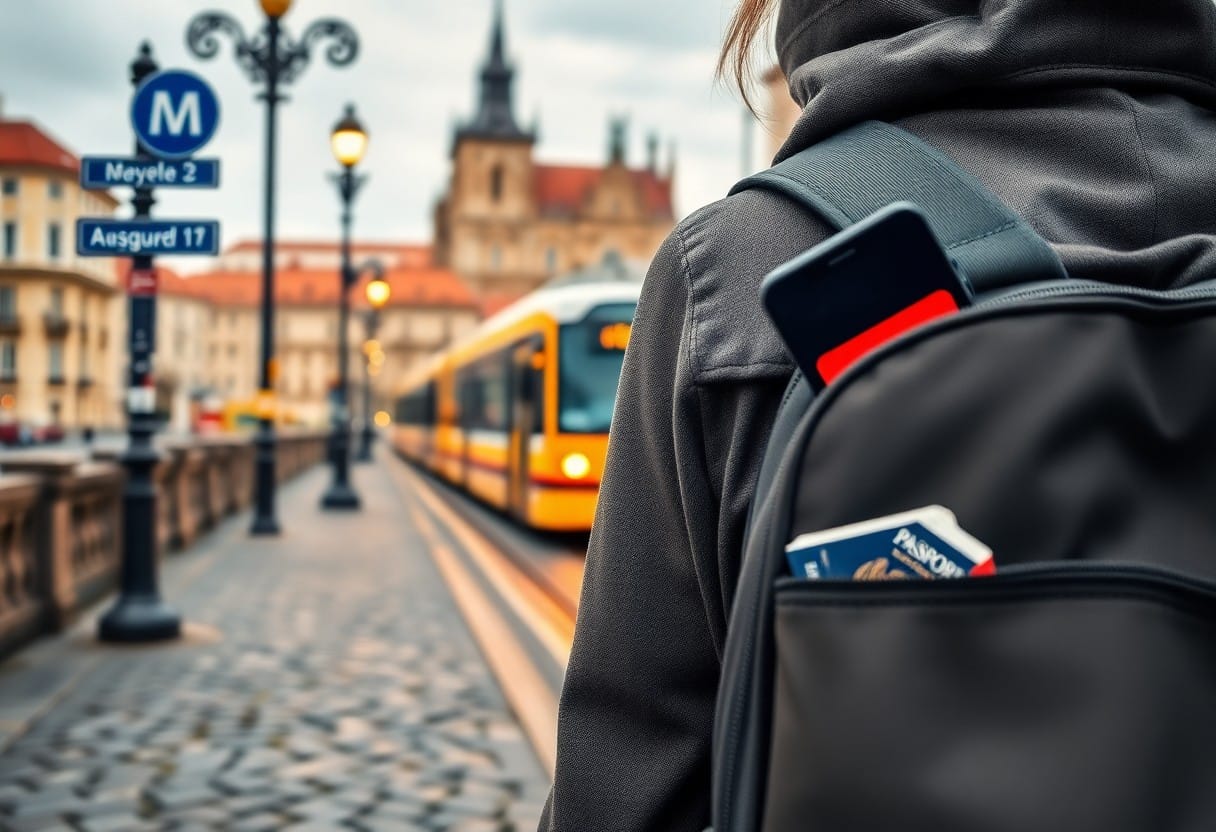
Solo travel in Prague can be exhilarating; you must stay alert to pickpocketing hotspots and avoid poorly lit alleys at night, while trusting that reliable public transport and clear tram routes make navigation easy. Plan routes, keep copies of your documents, use official taxis or apps, and blend in to reduce attention. For firsthand perspective see First-time solo traveler going to Prague after turning 18 … to gauge expectations.
Types of Solo Travel in Prague
- Solo travel for museums, history and concerts
- Adventure Activities – river, trails and day trips
- Food & Nightlife for tasting Czech cuisine and meeting people
- Slow travel and neighbourhood stays for low-key exploration
- Day trips to nearby natural parks and UNESCO sites
| Cultural Exploration | Focus on Prague Castle, the Jewish Quarter and the National Gallery; expect guided tours, classical concerts and themed walking routes through the UNESCO-listed historic centre – keep an eye on crowds at Charles Bridge, where pickpocket incidents spike during peak hours. |
| Adventure Activities | Kayaking on the Vltava, cycling along riverside trails and quick trips to Bohemian Paradise or Bohemian Switzerland (roughly 90-120 minutes travel) – choose licensed operators and wear a life jacket to mitigate strong currents and slippery banks. |
| Food & Nightlife | Evening pub crawls, beer gardens and food markets in Žižkov and Vinohrady offer social options; use official taxis or apps after midnight and avoid unlit side streets to reduce safety risk. |
| Slow Travel / Relaxation | Long stays in a single neighbourhood let you explore local markets, parks like Stromovka and cafés at a calmer pace; public transport (three metro lines: A, B, C) makes it easy to base yourself away from tourist hubs. |
| Day Trips & Outdoor | Train or bus trips to Kutná Hora (about 1 hour) or Český Krumlov (around 2.5 hours) are common; plan for variable weather and check seasonal schedules for operators. |
Cultural Exploration
You can structure full days around the castle complex and the Jewish Quarter, combining museum visits with lunchtime stops at small bistros in Malá Strana; guided tours often run in English and last 2-3 hours, which helps you cover highlights like St. Vitus Cathedral without wasting time. When you enter crowded sites such as Old Town Square or Charles Bridge, secure your bag and keep valuables in a zipped front pocket to reduce exposure to pickpocket attempts.
You should use evening concert listings (many classical and chamber performances start around 19:00) to experience Prague’s music scene solo but safely – book tickets in advance and pick venues with clear entry/exit routes. For deeper context, join small group walks focused on architecture or modern Czech history; they average under 15 people, so you meet others while staying mobile and aware of your surroundings.
Adventure Activities
You’ll find several riverside rental operators offering kayaks and stand-up paddleboards with sessions typically lasting 1-3 hours; always request a safety briefing, wear a life jacket and note that water levels rise quickly after heavy rain, creating strong currents near bridges. For hiking or scrambling, routes in Divoká Šárka are reachable within 20-30 minutes by tram and provide marked trails, but steep sections can be slippery after rain so wear sturdy shoes.
You can book guided climbing or canyoning trips through licensed outfits that include transport from the centre; these services often include helmets and harnesses and use small-group sizes (usually under 8 participants), which improves supervision and social contact if you’re solo. When planning multi-day outdoor excursions, check operator reviews and confirm emergency procedures and mobile coverage in advance.
Operators commonly insist on life jackets for Vltava rentals and will brief you on river etiquette – follow their instructions, stick to daytime launches between 09:00-17:00, and avoid solo paddles in poor weather to reduce risk from swift currents and cold water.
Thou will balance ambition with caution to get the most out of each style of solo travel in Prague.
Tips for Safe Solo Travel
You should keep movement predictable: plan daytime routes through the Old Town and main transit corridors, avoid poorly lit side streets after midnight, and lock valuables in a hotel safe. Use Prague’s PID app or Google Maps for real-time tram and metro lines (A, B, C), and when possible choose busy stops-pickpocketing hotspots include Charles Bridge, Old Town Square and crowded trams. If gender-specific concerns arise, consult community reports such as Is it safe to travel in Prague as a woman solo?
Keep a simple checklist and carry a photocopy of your passport separated from the original, a small amount of cash (200-500 CZK) and a contact card in Czech and English. In hotels and hostels ask for a room on an upper floor or opposite busy streets to reduce noise and late-night disturbances; for navigation, you should use offline maps and save key addresses so you can find your way back even if your phone battery dies.
- solo travel: share an itinerary with one trusted contact and set daily check-ins.
- Prague transit tips: validate tickets immediately-inspectors fine fare evaders around 1,500 CZK.
- safety gear: small doorstop alarm, portable charger, and a whistle.
- navigation: prefer main tram lines and night tram services over walking late across unfamiliar neighborhoods.
Emergency Contacts
You can call 112 for any EU-wide emergency to be connected to police, ambulance or fire services; Czech-specific numbers are 158 (police), 155 (ambulance) and 150 (fire). Keep these saved as ICE (in case of emergency) in your phone and as a written note; mobile service interruptions are rare but can leave you stranded if you haven’t written them down.
For consular help, locate your embassy’s 24/7 line before departure-embassies in Prague can assist with lost passports, legal issues or evacuation advice and will provide a case number for follow-up. If you must report a non-urgent theft, go to the nearest police station; you should obtain a police report for insurance claims and to expedite replacements for travel documents.
Local Customs and Etiquette
You should tip around 10% in restaurants if service isn’t included, and always validate transit tickets in the yellow machines when boarding trams-inspectors conduct frequent checks and fines are enforced. In churches and historic interiors dress modestly, keep voices low and avoid tripods or flash photography where signs indicate restrictions; addressing locals with a polite greeting like “Dobrý den” goes a long way toward friendly interactions.
Public behavior norms lean toward reserved politeness: offer seats to elderly passengers, queue at tram stops and avoid loud phone conversations on crowded trams. Knowing these small adjustments will help you blend in, avoid fines and make day-to-day navigation smoother.
Step-by-Step Navigation Guide
Navigation quick reference
| Step | Action & details |
|---|---|
| Plan your route | Use Mapy.cz or Google Maps to plot waypoints; typical walk times: Old Town to Prague Castle ≈ 25-35 minutes uphill, Old Town Square to Main Train Station ≈ 10-15 minutes. |
| Buy and validate tickets | Single tickets: 30 Kč (30 min), 40 Kč (90 min); 24‑hour pass ≈ 120 Kč. Validate at yellow machines on trams or station validators before travel. |
| Choose transport | Metro lines A/B/C cover main hubs; trams 2, 17 and 22 serve tourist routes and hill climbs. Expect metro every 2-4 minutes peak, trams every 5-10 minutes daytime. |
| Night travel | Metro largely stops around midnight; a night network of buses/trams runs later – check timetables and stick to lit stops. Avoid solitary late-night walks across isolated bridges. |
| On-foot routing | Prefer main arteries (Wenceslas, Pařížská, Národní) after dark; use river promenades in daylight. Charles Bridge is extremely crowded at midday; plan for early morning visits to avoid pickpockets. |
| Safety & backups | Save offline maps, keep battery pack, photograph your accommodation address in Czech. If lost, head to staffed metro stations or café with Wi‑Fi rather than alleys. |
Public Transportation
You should always buy and validate a ticket before boarding: the common fares are 30 Kč for 30 minutes or 40 Kč for 90 minutes, with 24‑hour passes around 120 Kč. Validate on the yellow validators in trams and at gates or machines in metro stations; inspectors perform random checks and if you can’t produce a validated ticket you’ll face a heavy penalty.
When choosing lines, note the metro (A, B, C) connects major hubs quickly and is typically the fastest option – expect trains every 2-4 minutes during peak. Trams like 22 and 2 are convenient for scenic routes and steep climbs to the castle; however, they are also prime spots for pickpockets during rush hour and on tourist loops, so keep your bag zipped and in front of you.
Walking Routes
Plan walking legs with elevation and surface in mind: cobblestones slow you down and stairways to Prague Castle add effort – the Nerudova route is picturesque but steep, while the tram stop at Pražský hrad saves roughly 15-20 minutes and significant elevation. Aim for Charles Bridge before 08:00 to avoid dense crowds and higher pickpocket risk; later in the day it can be shoulder‑to‑shoulder.
For safe evening walks, stick to well‑lit, populated corridors such as Wenceslas Square, Národní třída and the Vltava riverbank promenades; if a side street feels deserted, detour to a tram stop or café instead. When you map a route, use tram and metro stops as clear waypoints so you can abort to public transport quickly if conditions change.
Wear sturdy shoes for uneven surfaces and allow an extra 15-20 minutes for any route that includes cobbles or uphill sections; carry a portable charger, screenshot your route, and note the nearest metro/tram stop names as backups so you can navigate even if your GPS drops out.
Factors to Consider Before Traveling Alone
You should weigh practical logistics and personal tolerance for crowds and late nights: in Prague that means assessing how tourist density, public transport schedules and neighborhood vibe affect your solo travel plans. Expect heavy foot traffic in the Old Town and around Charles Bridge between June and August – that increases instances of pickpocketing and minor scams, so plan routes that keep you on main streets and near metro or tram stops. Check whether your arrival or departure falls near large events (Easter markets, Prague Spring Festival, New Year) because law enforcement presence often rises but so do crowds and higher short‑term rental rates.
- Time of Year – seasonality affects daylight (about 16-17 hours in June vs ~8-9 in December), prices and crowding.
- Accommodation Choices – proximity to a metro line (A, B or C) or to Hlavní nádraží changes how safe and convenient late returns are.
- Transport – trams and the metro are efficient; be cautious boarding night trams and verify routes after midnight.
- Neighborhood – areas like Vinohrady offer quieter evenings and better local restaurants, while Žižkov has cheaper hostels and louder nightlife.
- Personal comfort – whether you prefer locked hostels with 24/7 reception or private apartments will shape both budget and safety.
Perceiving how those factors combine – season, transit access, neighborhood character and your own night‑time tolerance – will determine whether your days are easy to navigate or constantly reactive.
Time of Year
During peak summer (June-August) you’ll encounter daily temperatures around 25-30°C and international crowds that can triple foot traffic in tourist zones compared with shoulder months; that density correlates with more petty thefts around market stalls and trams, so plan daytime itineraries through main squares and use busy, well‑lit routes after dusk. Festivals and long opening hours give you more to do, but expect hotel rates to be roughly two to three times higher than in low season and public spaces to be louder and busier.
Choosing shoulder months (May or September) gives you milder weather, fewer visitors and better daylight for walking tours – you’ll often find prices 20-50% lower and easier reservations at popular museums. In winter the city becomes quieter, with average January temps around −2 to 3°C and short daylight; you’ll benefit from lower costs and cozier indoor options at the expense of early nights and occasional reduced night transport frequency, so plan arrivals and late returns with that timetable in mind.
Accommodation Choices
You’ll decide between hostels, hotels and short‑term apartments based on how much interaction and security you want: hostels can cost from about €10-€30 per night and offer lockers and social environments but often lack soundproofing, whereas mid‑range hotels (roughly €50-€120) usually have 24/7 reception and secure entry systems. If you prioritize navigation, pick a place within a 10‑minute walk of a metro station (lines A, B, C) or close to Hlavní nádraží so late returns are straightforward; selecting a room in Vinohrady or near the river gives quieter evenings, while staying in Žižkov lowers cost but raises nightlife noise and late‑night foot traffic.
Always check recent reviews for mentions of noisy streets, lack of elevators in historic buildings or unmetered taxi drops at the door – these are common traveler complaints that affect both comfort and safety. Use booking filters to find properties with 24/7 reception, verified host profiles, and clear cancellation policies; when using apartments verify host responsiveness and guest history to avoid last‑minute relocations or misrepresented locations.
For practical safety, pick accommodations with secure entry (keypad or staffed desk), a nearby well‑lit main street, and positive mentions of staff assistance – aim for places within 1 km of a major transit hub, with explicit notes about luggage storage, elevator availability (many older buildings lack them) and a history of good reviews for late arrivals.
Pros and Cons of Solo Travel in Prague
| Pros | Cons |
|---|---|
| Freedom to set your own pace and itinerary | Evenings can feel lonely in quieter neighbourhoods |
| Efficient public transport with three metro lines and dense tram coverage | Pickpocketing in crowds, especially on Charles Bridge, Old Town and busy trams |
| Compact, walkable historic centre – many sights within a short stroll | Heavy tourist crowds in summer and during festivals (higher scam risk) |
| Plenty of solo-friendly tours, meetups and hostel common areas | Taxi overcharging and unlicensed drivers in tourist zones |
| Wide selection of museums, concerts and day-trip options (Karlštejn, Kutná Hora ~1 hour) | Language gaps outside central tourist areas |
| Contactless payment widely accepted and English commonly spoken in central areas | Public transport frequency drops late at night in outer districts |
| Relatively low violent crime rates compared with many European capitals | Scams that target solo travellers (distraction theft, fake petitions) |
| Good network of train connections for regional day trips | Higher accommodation prices in peak season |
Advantages
With the historic core so compact, you can cover top sights in a single day without relying on taxis: stroll from the Prague Castle complex down through Lesser Town to Charles Bridge and finish in Old Town. The metro (lines A, B and C) plus an extensive tram network make longer hops simple, and regional trains get you to Karlštejn or Kutná Hora in about an hour for a straightforward day trip. You’ll also find multiple organised options – free and paid walking tours, classical concerts in churches, and small-group museum guides – which are great ways to meet other travellers if you prefer company while keeping control of your schedule.
Beyond logistics, Prague rewards solo travellers who like flexibility: you can eat at a counter in a market, join a pub crawl, or spend a quiet afternoon in the National Gallery without coordinating with anyone. Practical conveniences – English on ticket machines, contactless payments at most restaurants, and ride‑hailing apps like Bolt and Uber operating reliably in the centre – reduce friction and let you focus on experiences rather than logistics. Those factors together make Prague particularly friendly for independent travellers who aim to maximise time and minimise hassle.
Challenges
Street-level crime is mostly non-violent but persistent: pickpocketing is the main danger, especially in dense crowds on Charles Bridge, around Old Town Square and on busy trams. Thieves use distraction techniques and work in teams, so you should keep your valuables in a front-facing, zippered bag or a money belt and avoid displaying expensive phones or cameras in packed areas. If you rely on cash, split it – carry just enough for the day and stash backups in secured luggage.
Another common issue is tourist-targeted scams: unmetered taxi rides, inflated menu prices in obvious tourist traps, and distraction scams near major sights. Use licensed taxi apps or official ranks, check menus for set prices, and confirm fares before getting in. Public transport service levels also fall after midnight in outer districts, so if you’re staying outside the centre plan your return in advance or have a reliable app-based ride option.
For added safety, keep emergency numbers handy (EU 112, local police 158) and share your accommodation address and general route with someone you trust. Use anti-theft bags, carry a photocopy of your passport rather than the original when you go out, and check tram/metro schedules before late-night plans so you’re not stranded in poorly lit areas. Those simple precautions significantly reduce your exposure to the most common risks solo travellers face in Prague.
Essential Packing List for Solo Travelers
Documents and Essentials
You should keep your passport and any required visa paperwork on you, plus two physical photocopies stored separately (one in your luggage, one in your daypack) and a digital copy in a cloud folder you can access from another device. Carry proof of travel insurance with policy number, your accommodation confirmations, and a simple list of emergency contacts including your country’s embassy phone and the EU-wide emergency number 112 (police 158, ambulance 155, fire 150 work locally), so you can call for help quickly if needed.
Bring at least some local currency – having 300-1,000 CZK when you arrive will cover taxis, tram tickets (single 90-minute fare ~30 CZK), and small vendors that may be cash-only. Pack one credit/debit card with chip-and-PIN enabled, note your bank’s international number, and store a copy of prescriptions and a small medical kit for common issues. Add a Type E plug adapter, a 10,000 mAh power bank, and either a local SIM (5-10 GB plan is often enough for 3-7 days) or an international eSIM so you can navigate maps and contact people when needed.
Clothing and Gear
Prague’s weather can flip between seasons; summers often sit around 20-25°C while winters range from -5 to 5°C, so pack by layers: 2-3 base layers, one insulating midlayer, and a waterproof shell. Prioritize comfortable walking shoes with good soles for historic cobblestones – you can easily walk 6-10 km per day just exploring Old Town and Malá Strana – and include a pair of slightly dressier shoes if you plan dinner or theatre nights.
Organize clothing with packing cubes and bring a 20-25L daypack that has anti-theft features and a rain cover; keep a small slash-proof crossbody bag for evenings and crowded areas. Pack quick-dry fabrics, an umbrella, a lightweight scarf, and basic gloves for shoulder‑season chill, plus 3-4 shirts, 2 pairs of trousers, and one set of nicer clothes for a museum evening or classical concert.
Consider that laundromats and hotel laundry services are inexpensive and common in Prague, so you can pack lighter and plan a mid-trip wash; also ensure you have modest options to enter churches (for example, cover shoulders and knees at St. Vitus Cathedral) and bring footwear with good traction for wet cobbles and icy patches in winter.
Conclusion
Upon reflecting on your solo trip to Prague, you can keep yourself safe by staying aware of your surroundings, securing valuables in a front-facing bag, and avoiding poorly lit side streets late at night. Keep digital and physical copies of important documents, save local emergency numbers and your embassy contact, use a local SIM or reliable roaming to stay connected, and trust your instincts if a situation feels off.
For navigation, rely on Prague’s efficient tram and metro network, purchase and validate tickets via machines or official apps, and download an offline map so you can reroute without mobile data. Plan routes through well-known landmarks, learn a few basic Czech phrases for directions, and use public transport hubs and daylight hours to move between neighborhoods for the smoothest, safest travel experience.
FAQ
Q: Is Prague safe for solo travelers, especially at night?
A: Prague is generally safe compared with many major European cities, but petty crime like pickpocketing and bag snatching targets tourists in crowded areas (Old Town Square, Charles Bridge, trams, and busy stations). Stay in well-lit, populated streets after dark, lock doors and windows where you stay, keep valuables out of sight, and use hotel safes for passports and extra cash. If you need help, dial 112 for emergency services; local numbers are 158 (police), 155 (ambulance), 150 (fire). Use licensed taxi apps (Bolt, Liftago) rather than hailing unknown cars, and avoid isolated parks or poorly lit subway entrances late at night.
Q: What are the best navigation and transport tips for getting around Prague safely?
A: Use Prague’s efficient public transport network of metro, trams and buses. Buy and validate tickets before boarding (single-ride, 24/72-hour passes are available from machines, newsstands, or the PID Lítačka app); inspectors fine passengers without a validated ticket. The metro runs roughly from early morning until around midnight, with night tram and bus services afterward. Popular navigation tools are Mapy.cz (excellent offline maps), Google Maps, and the PID Lítačka app for timetables. Keep bags zipped and in front on crowded trams/stations, plan routes in advance, and prefer surface trams at night over dark alleys. For door-to-door rides, use reputable apps rather than unmarked taxis and confirm fares in advance for drivers without meters.
Q: How can solo travelers avoid common scams and handle emergencies in Prague?
A: Be wary of common scams: unofficial currency exchange booths with hidden fees, overcharging taxis without meters, distraction techniques used by pickpockets, and “friendly” strangers offering help with tickets or directions while an accomplice steals belongings. Use official exchange offices or card payments, choose taxis through apps, and keep small amounts of cash in a separate pocket.
Carry a copy of your passport, store emergency contacts and your embassy’s details offline, and get a local SIM or eSIM for calls and data. In an emergency call 112, and report theft to the police (you’ll need a police report for insurance). Share your itinerary with someone you trust and keep your phone charged; a portable battery pack and a simple whistle can be helpful safety aids.

I’m Jan, a Czech writer, hiker and travel guide born in Bohemia and based in Prague. I’ve been writing about my home country for 9 years, and I know it the way you only do when you’ve grown up here: the trail signs that locals actually follow, the pubs that aren’t in any guidebook, the castles that get overlooked because they’re not on a tour bus route.
Over 9 years I’ve covered every corner of the Czech Republic, from the Krkonoše ridges and Šumava forests to the wine cellars of South Moravia and the spa towns of West Bohemia. I’ve taken 40+ solo trips across Czechia, Slovakia, Poland, Hungary and Austria and I write in Czech and English, which means I can read the local hiking forums, regional news and municipal information that never gets translated.
My writing covers three areas: practical solo travel in Czechia (getting around by train and bus, hiking safely, visiting castles and landmarks without the crowds), expat and long-term living (the cultural surprises, the bureaucracy, what it actually costs, how the healthcare and transport systems work), and off-the-radar Czech Republic, the places most visitors never reach because they spend all their time in Prague.
Prague is extraordinary, but it’s maybe 10% of what this country has to offer. The rest is what I’m here to write about.