
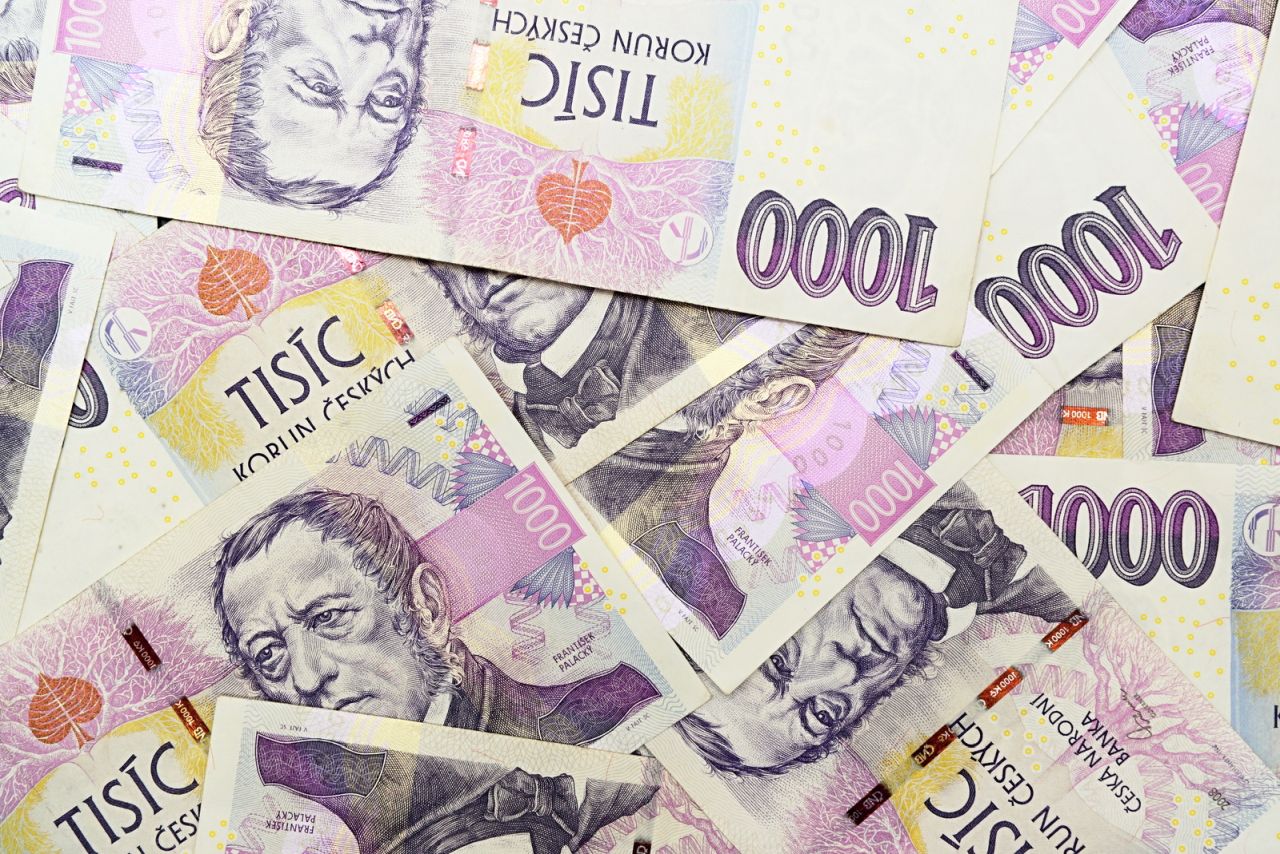
tipping in Czechia is straightforward: you should leave 5-10% at restaurants or simply round up your bill, hand tips directly to servers, and add a few crowns for taxis and hotel staff; always carry small cash because machines and small cafés may not accept cards. If service is included, you can still give a small extra for excellent service, and be polite but firm if a charge seems incorrect.
Understanding Tipping Culture in Czechia
Historical Context
During the Austro-Hungarian period tipping was common among urban middle classes in Prague, but the practice changed sharply after 1948 when state-run hospitality and low wages made gratuities rare and sometimes awkward. Following the 1989 Velvet Revolution and the rapid privatization of restaurants, hotels and tour services, you began to see Western-style tipping return as tourism and foreign investment reshaped service expectations.
By the 2000s a more consistent norm emerged: informal, service-dependent tips in restaurants and clear cash gratuities for personal services. That shift means you’ll now find a patchwork of expectations-urban, tourist-heavy spots often follow a clear 5-10% rule, while small-town cafés and older establishments may still expect only rounding-up or a few coins.
Current Practices
In restaurants you should plan on tipping around 5-10% of the bill; for a 400-600 CZK meal a 40-60 CZK tip is typical, while in upscale or tourist-heavy Prague venues you’ll often see 10-15%. Many locals simply round up the bill-handing 500 CZK for a 470 CZK tab is common-so if you prefer to be precise aim for that 5-10% range. If a receipt states “obsluha zahrnuta” (service included), you don’t need to add more, and if you tip by card be aware that card tips may not always reach the server unless you confirm how the restaurant distributes them.
Other everyday situations follow clear local expectations: taxis are usually rounded up or given about 10%, porters expect about 20-50 CZK per bag, and housekeeping commonly receives 50-150 CZK per night. For private guides and drivers you’ll typically offer 10% or 100-300 CZK depending on the tour length; hair salons and barbers often get around 10% or a 20-50 CZK tip.
When you want to ensure staff actually receive a card tip, tell the waiter the exact total you want charged or hand the tip in cash-this is especially important in smaller venues where electronic tip pooling isn’t used. Overall, tipping is appreciated and often expected, but adjust amounts based on service quality and whether you’re in a big city or a rural village.
Types of Establishments and Their Tipping Norms
- tipping
- service etiquette
- Czechia
- restaurants
- bars
| Restaurants | Typically 10-15% if service is not included; round up small bills; check for a printed service charge. |
| Bars & Cafés | Counter service: leave small change or round up (≈10-20 CZK); table service: ~10%. |
| Taxis & Ride Services | Round up to the nearest 10-50 CZK; for apps you can tip in-app but rounding in cash is common. |
| Hotels | Porters: 20-50 CZK per bag; housekeeping: leave 20-50 CZK per day for longer stays. |
| Guides & Tours | Half-day guides: 100-200 CZK, full-day: 200-500 CZK, adjust for group size and quality. |
Restaurants
If the bill has no line for service, you usually leave about 10-15% or simply round up to the nearest convenient amount; for a 450 CZK dinner leaving 500 CZK is perfectly acceptable. You should check the printed receipt because some higher-end or tourist-focused places add a 10% service charge automatically-if that appears, additional tipping is discretionary.
When paying by card, ask if you can add a tip on the terminal-many Prague restaurants and larger chains let you enter an amount, but smaller bistros may prefer cash. In casual or self-service spots you generally do not need to tip more than rounding up, while fine-dining where staff attends your table regularly often expects the higher end of the scale.
Bars and Cafés
At busy bars you typically round up or leave small change; a 50 CZK coffee normally gets a coin or two extra, while at cocktail bars attentive bartenders often receive about 10%. If you sit at a table and a server brings drinks, treat it like restaurant service and leave a similar percentage.
Counter-service cafés work differently: you either leave loose change on the counter or tell the barista to keep the change when you pay cash, and card terminals sometimes allow a small tip option-still, most locals stick to rounding for quick coffee stops.
More specific: for craft cocktails expect to tip more consistently (around 10% or a few extra tens of CZK), while in beer halls or pubs where you fetch your own drinks tipping is minimal and often limited to rounding up.
Taxis and Ride Services
For traditional taxis you normally round up to the nearest 10-50 CZK depending on distance; for a short ride of 220-260 CZK you would typically hand over 300 CZK in cash. When booking via apps like Bolt or Uber, tipping in-app is optional but becoming more common-many drivers expect small cash rounding if paid that way.
Control the fare by insisting on the meter for flag-down taxis and confirm approximate price for longer trips; if a driver refuses the meter or quotes a wildly inflated flat rate, that is a red flag and you should cancel and rebook through an official company or app.
Extra guidance: for airport transfers or long-distance rides people often add a larger tip-around 5-10%-and you should keep small bills handy so you can pay exactly and avoid disputes.
Thou should generally round up or leave about 10% in most casual situations to show appreciation and avoid awkwardness.
Tips for Tipping Effectively
Aim to be practical and polite when handling tipping in Czechia; small gestures often go further than large, awkward gestures. If you want to follow local service etiquette, check the bill for a service charge first, carry some cash (CZK) for quick tips, and use direct handover rather than leaving money on the table in busy places. For deeper reading on table manners and dining expectations, consult the Czech Food and Restaurant Etiquette Guide.
- Always check the receipt for an included service fee before adding extra.
- Carry change so you can round up to the nearest 10-50 CZK instead of overpaying a card total.
- Prefer cash for small tips (cafés, taxis); use card for larger, itemized tips if the terminal allows it.
Percentage Guidelines
In sit-down restaurants you should typically tip around 5-10% of the bill for standard service and closer to 10-15% for exceptional service; larger groups sometimes expect a set service fee, so verify before adding anything. Cafés and casual eateries often accept a simple round-up (for example, paying 120 CZK on a 105 CZK bill), while bars commonly see people leave small change rather than a percentage.
Practical Czech examples: porters and bell staff usually receive about 20-50 CZK per bag, taxi drivers expect rounding to the nearest 10-50 CZK or about 10% on longer rides, and private tour guides typically get 10% or a flat 50-200 CZK depending on group size and tour length.
When to Tip
Tip in restaurants when you receive table service; hand the tip directly to the server or state the total you want charged to the card including tip to avoid confusion. If a bill states that a service charge is included (servisní poplatek or similar), you generally don’t need to add more unless service was outstanding. For small, quick transactions (takeaway coffee, newsstand), you can leave small change or skip tipping entirely.
For additional context: you should tip cleaners or housekeeping about 20-50 CZK per night if you want to acknowledge extra effort, and leave a bit extra for exceptional help (late check-out assistance, special requests). Assume that the amount you leave communicates how satisfied you were with the service and that modest, timely tips are the local norm.
Step-by-Step Guide to Tipping
Quick reference for common situations
| Situation | Suggested tip |
|---|---|
| Restaurants (casual) | 5-10% or round up to the nearest 20-50 CZK |
| Restaurants (upscale) | 10-15% for attentive full-service dining |
| Cafés & small bites | Round up or leave 10-20 CZK |
| Bars | Round up to the nearest 20 CZK or leave 5-10% |
| Taxis | Round up to the nearest 10-50 CZK or ~10% |
| Hotel porters/housekeeping | 20-100 CZK per service (porters: per bag; housekeeping: per night) |
| Tour guides | 10-15% or 100-300 CZK per person for half/full-day tours |
Assessing Service Quality
You should base the tip on the level of attention and initiative: fast, polite service that anticipates needs merits the higher end of the range, while slow or inattentive service calls for a modest or no tip. Check whether a service charge appears on the bill (sometimes listed as “service” or included in larger-group menus); if it is included, you can adjust or skip an additional tip.
When in doubt, consult local discussions for nuance-practical traveler feedback can clarify expectations (see How Do You Tip in Restaurants? – Prague Forum). Weigh factors like server competence, frequency of mistakes, and whether staff had to work beyond normal duties; use that judgement to set a precise amount.
Calculating Tips
Use simple arithmetic: for a 800 CZK dinner, a 10% tip is 80 CZK; for an upscale 2,500 CZK meal, 10-15% equals 250-375 CZK. In casual cafés you can round to the nearest 20 CZK (e.g., a 78 CZK coffee → 100 CZK handed over). For group bills, calculate the percentage on the total, then split evenly or按 individual consumption.
If a card machine is used you can usually add the tip on the terminal, but some machines only accept whole amounts or percentages-so prepare small banknotes if you want exact change. For tours and private drivers, apply a per-person guideline (e.g., 100-300 CZK per person for a full-day guide) rather than strictly percent-based math.
- Percent method: multiply total by chosen percentage (5-15%).
- Round-up method: round to convenient banknote (20/50/100 CZK).
- Per-person method: fixed amount for guides/porters (100-300 CZK).
Recognizing that practical choices often depend on whether you pay by cash or card and the specific service context will help you apply these rules quickly.
When you want more precision, check the bill for explicit service lines-some establishments include a fixed service charge of 10% for large groups, in which case adding more is optional. Also note VAT is included in menu prices in Czechia, so tipping is discretionary and directly benefits staff rather than covering tax.
- Service charge present: reduce or omit extra tip.
- Cash preferred: many staff appreciate cash tips that go directly to them.
- Card tips: may be pooled or processed later-ask if you want it to reach an individual.
Recognizing that local customs and the establishment’s policy determine the best method keeps your tipping fair and effective.
Delivering the Tip
You can hand cash directly to the server with a brief “děkuji” (thank you) to ensure it reaches them; that is the most direct method. If you pay by card and the terminal asks for a tip, enter the amount there-expect that sometimes card tips are centralized and distributed later, so use cash if you want immediate recognition.
Leaving tips on the table is acceptable in casual spots but can be risky in busy venues where it’s unclear who should collect it; for higher-value tips or when you want a specific server to receive the money, pass it to them personally. If a service fee is already on the bill, do not feel obligated to add much more-adjust based on extra effort.
For porterage, hand the tip at the time of service per bag; for housekeeping, leave a note with the amount on the bed or in an envelope marked for housekeeping to ensure it is received. If you want to guarantee the tip goes to one person, hand it to them directly.
Factors Influencing Tipping Decisions
Several practical variables shape how you tip in Czechia: how attentive staff are, the type of venue, whether a service charge is already on the bill, and the way you pay. Touristy areas like central Prague often see visitors leaving 5-15% in restaurants, while local pubs (hospoda) typically get a rounded amount or small change. Examples: a 800 CZK dinner commonly gets an 80 CZK (10%) tip for good service; a 50 CZK coffee is usually rounded to 60 CZK.
- Service quality
- Establishment type
- Group size
- Bill size / payment method
- Local norms / service charge
This affects not only how much you leave but how you deliver it – cash handed directly to staff often ensures it reaches them, while card tips may be processed differently by the venue.
Service Quality
You should scale tips to specific behaviors: prompt attention, helpful local advice (directions, transit tips), handling special requests, or going beyond expected duties (carrying luggage, changing reservations). In practice that means 5% for acceptable, 10% for good, and 15%+ for outstanding service in sit-down restaurants; in casual settings a simple round-up signals appreciation.
For solo travelers, personalized service often carries extra weight – if a waiter takes time to explain the menu in English or helps you plan a day trip, adding an extra 20-50 CZK shows clear gratitude. When paying by card, give cash to the server if you want to be sure they receive the tip directly.
Establishment Type
You should treat venues differently: fine-dining restaurants expect 10-15%, often more for tasting menus and wine service; mid-range restaurants commonly see 10%; cafes and bakeries usually get small change or rounding to the nearest 10 CZK. Taxis are typically rounded up or given about 10% for longer rides, while hairdressers and baristas often receive a few dozen CZK.
Hotels follow their own norms: porters typically receive 20-50 CZK per bag, housekeeping 20-50 CZK per night (left daily), and tour guides 50-200 CZK for a half-day depending on group size and service level. If a bill explicitly lists a service charge, you generally do not need to add more unless service was exceptional.
When you encounter self-service counters, kiosks, or machine-only payments, tipping is uncommon – instead, carry small cash for situations where staff provide table service or extra help.
Group Size
Restaurants often add an automatic service fee for larger parties (commonly 10-15% for groups of 6-8+), so check the bill before tipping extra; as a solo traveler you rarely face auto-gratuities, so your tip decisions are more flexible. In groups where the charge is absent, splitting the tip proportionally or leaving 10% of your share keeps things fair.
If you’re dining with others and someone else pays the bill, clarify whether tips are being pooled; if they are, consider adding a bit extra in cash when you pay your part to ensure staff see the contribution. For solo outings, lean on round-ups or fixed CZK amounts for quick transactions (e.g., add 20-50 CZK at a bar for attentive service).
When sharing taxis or tour guides, agree on how tips will be shared beforehand-if not, contribute your estimated share (roughly 10% or a proportional CZK amount) so the primary payer isn’t left covering the entire gratuity.
Pros and Cons of Tipping
Pros and Cons
| Pros | Cons |
|---|---|
| You can reward excellent service directly, encouraging better treatment on future visits. | You may feel pressured to tip in tourist areas even when service is mediocre. |
| Tipping supplements modest wages for waitstaff and drivers; a 5-10% tip can be meaningful. | Unclear expectations across regions can lead to awkward moments or inconsistent tipping amounts. |
| Small gestures (rounding up, 20-50 CZK for porters) create goodwill and useful local contacts. | Some establishments add a service charge or keep pooled tips, so your tip might not reach the individual. |
| You can adapt tips to the situation: 10% in tourist restaurants, a few coins in cafés, or 100-200 CZK for full-day guides. | Tipping increases your travel budget; cumulative tips (meals, taxis, guides) add up quickly. |
| Visible tipping signals that you understand local norms, smoothing interactions in hotels and restaurants. | Scams exist: inflated bills or pressure to tip in euros instead of CZK can exploit tourists. |
| Flexible etiquette lets you tip selectively for exceptional service without rigid rules. | Over-tipping can create unrealistic expectations for future encounters or awkwardness for staff. |
Benefits of Tipping
You directly improve livelihoods when you tip: many servers and independent guides in Czechia earn modest base pay, so leaving 5-10% at restaurants or rounding up a taxi fare by 10-20 CZK makes a measurable difference. In practice, if a typical dinner runs 800 CZK, adding an 80 CZK tip is both affordable for you and appreciated by staff, and giving a hotel porter 20-50 CZK per bag speeds service and builds rapport.
Because expectations vary, you gain flexibility: tipping allows you to reward quick, personal service during a walking tour or a tailored meal in Prague versus a rushed café visit where a few coins suffice. Many travelers find that selective tipping-bigger amounts for private guides or exceptional restaurant service-delivers the most value for your travel budget while fostering positive local interactions.
Potential Drawbacks
Inconsistency across venues can create awkward situations: some cafés expect only rounding up, while tourist-focused restaurants often anticipate 10%. You might face pressure from staff or see added lines on a bill like “service included,” so you have to check receipts carefully to avoid double-tipping. Instances occur where tips are pooled or retained by management, meaning your intended beneficiary may not receive the money.
Another risk is scams and currency confusion-tourist areas sometimes push tips in euros or suggest fixed amounts that are above local norms. If you tip without asking, you could unintentionally fund dishonest practices or set a precedent that inflates expectations for future travelers. Also, regular tipping can inflate your daily spending: across a long trip, those small gestures compound.
For budgeting, factor in tipping as roughly an additional 5-10% of your dining and service expenses; for example, spending 5,000 CZK on meals and services could add 250-500 CZK in tips. You should weigh the social benefits of tipping against these extra costs and check bills for any automatic service charges so you only tip where it truly rewards individuals.
Summing up
Following this, when you dine or use services in Czechia, tipping is modest and practical: round up the bill or add about 5-10% for attentive restaurant service, leave small cash tips in cafés and bars, and round up fares or add a few tens of crowns for taxis. If service is included on the bill, you need not add more, but if you pay by card ask whether a tip can be added; staff generally appreciate cash tips handed directly to them.
As a solo traveler, you should match tips to the level of service and the setting-20-50 CZK for porters, a small cash tip for housekeeping if you want to acknowledge extra effort, and roughly 10% for personal services like hairdressers. Use polite Czech phrases if you can, stay observant of local practice, and tip in a way that is respectful without feeling obligatory so your interactions stay smooth and culturally appropriate.
FAQ
Q: What are typical tipping customs in restaurants, cafes and bars in Czechia as a solo traveler?
A: Tipping is appreciated but not mandatory. In full-service restaurants a tip of 10-15% for good service is common; in casual cafes or fast-casual places people usually round up or leave about 5-10%. In bars it’s normal to round up to the nearest 20-50 CZK or leave roughly 10% if you were served at a table. Check the bill for a service charge-if one is included, an additional tip is not expected. When paying at the table, state the total amount you want to pay (including the tip) rather than asking staff to calculate it for you.
Q: How should I tip when paying by card, and is cash preferred?
A: Cash is often preferred because it typically goes straight to the server. Many establishments accept cards and can add a tip, but card terminals and procedures vary. When paying by card, tell the server the total amount you intend to pay in Czech crowns so they can enter it. If the terminal does not permit adding a tip, leave cash. For app-based delivery or card payments on platforms, check whether the platform forwards tips to couriers-if not, tipping in cash is the safest option.
Q: What are the etiquette and customary amounts for taxis, hotel staff, guides and other services while traveling alone?
A: Taxis: round up to a convenient amount or add about 10% for helpful drivers; confirm fares for long trips or when the meter isn’t used. Hotels: porters 30-50 CZK per bag, housekeeping 30-50 CZK per day left discreetly in the room. Tour guides: for group tours 50-150 CZK per person for a half-day is common; for private or outstanding service give more. Drivers on multi-day trips usually receive a smaller tip than guides. Hairdressers and spa staff: about 10%. Takeout: not expected; delivery: 20-50 CZK or ~5-10% depending on distance and service. In smaller towns tip amounts tend to be lower. Always be polite and a simple “děkuji” (thank you) is appreciated when leaving a tip.

I’m Jan, a Czech writer, hiker and travel guide born in Bohemia and based in Prague. I’ve been writing about my home country for 9 years, and I know it the way you only do when you’ve grown up here: the trail signs that locals actually follow, the pubs that aren’t in any guidebook, the castles that get overlooked because they’re not on a tour bus route.
Over 9 years I’ve covered every corner of the Czech Republic, from the Krkonoše ridges and Šumava forests to the wine cellars of South Moravia and the spa towns of West Bohemia. I’ve taken 40+ solo trips across Czechia, Slovakia, Poland, Hungary and Austria and I write in Czech and English, which means I can read the local hiking forums, regional news and municipal information that never gets translated.
My writing covers three areas: practical solo travel in Czechia (getting around by train and bus, hiking safely, visiting castles and landmarks without the crowds), expat and long-term living (the cultural surprises, the bureaucracy, what it actually costs, how the healthcare and transport systems work), and off-the-radar Czech Republic, the places most visitors never reach because they spend all their time in Prague.
Prague is extraordinary, but it’s maybe 10% of what this country has to offer. The rest is what I’m here to write about.