
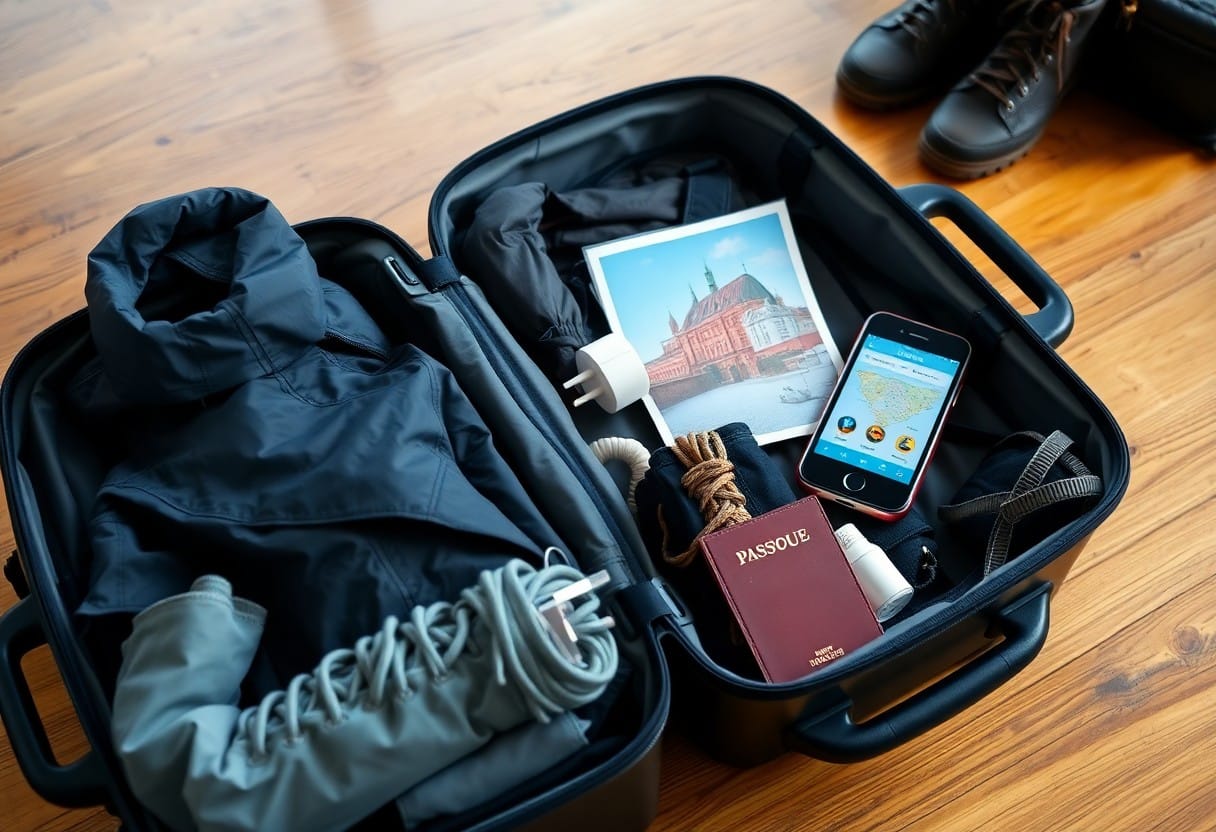
This guide helps you navigate Czech weather and pack efficiently for your solo travel: expect sudden storms and icy winters, but also warm summers and scenic snowy landscapes; prioritize layering, a waterproof jacket, comfortable walking shoes, an EU plug adapter and travel insurance so you stay safe, dry and ready to explore.
This concise guide helps you prepare for variable Czech weather so you can travel safely and comfortably; pack versatile layers, a lightweight insulated jacket and a waterproof shell, and include sturdy shoes, a compact umbrella and your daypack. Be ready for sudden thunderstorms and icy winter conditions, keep your documents secure and your phone charged, and plan for warm summers and magical winter markets with adaptable clothing and simple safety habits to enjoy your solo trip.
Types of Weather in the Czech Republic
| Spring (Mar-May) | Variable: daytime averages ~5-15°C in lowlands, late frosts possible; frequent rain showers (March-April). Pack layers and a waterproof shell for sudden swings. |
| Summer (Jun-Aug) | Generally mild with averages of 18-25°C in Prague and lowlands; heatwaves can push highs to 30-35°C and short intense thunderstorms may drop 10-30 mm in a few hours. |
| Autumn (Sep-Nov) | Cooling from ~15°C in September to near 0-5°C by November; October often brings steady rain and crisp, clear days ideal for sightseeing. |
| Winter (Dec-Feb) | Lowlands average around -1 to -5°C, while cities and plains see occasional freezes; mountain summits commonly fall below -10°C with regular snow and icy roads. |
| Mountain & microclimates | Krkonoše and Šumava: alpine conditions, temps 6-8°C lower than valleys (Sněžka 1,603 m); expect fog, strong winds, rapid weather shifts and heavy snow in winter. |
- weather tip: carry a compact rain jacket and a warm midlayer year-round.
- packing tip: breathable layers for summer hikes, insulated jacket and microspikes for winter mountain routes.
- Czech Republic note: urban heat islands (Prague, Brno) can be several degrees warmer than surrounding countryside.
Seasonal Overview
You should expect sharp contrasts between seasons: spring brings variable temperatures and frequent showers, with daytime highs around 10-15°C by late April, while summer delivers comfortable city weather and occasional heatwaves reaching 30-35°C, especially in South Moravia. Winters in the lowlands hover near freezing (about -1 to -5°C), but conditions change fast when a cold front moves in, producing snow and ice that can interrupt local transport for 24-48 hours.
For packing, plan by month: March-April needs waterproof layers and a warm sweater; June-August calls for sun protection plus a light rain layer due to frequent afternoon storms; October requires windproof outerwear for damp, windy days; December-February demands insulated gear and footwear rated for subzero temps if you head to higher elevations. Cities like Prague average ~600-700 mm of annual precipitation, so a reliable umbrella or packable raincoat is practical year-round.
Regional Variations
You’ll notice clear regional differences: Prague and the Bohemian lowlands are milder and less snowy than the mountains, while South Moravia (Brno, Mikulov) is typically the warmest region, with summer highs often 2-4°C above national averages and some vineyards experiencing drought-like conditions in dry summers. Northern and western border ranges (Krušné hory, Ore Mountains) get earlier snow and longer winter conditions, affecting route accessibility for solo hikers.
When you travel to mountain areas such as the Krkonoše (highest peak Sněžka at 1,603 m) plan for temperatures that are commonly 6-8°C lower than nearby towns and sudden fogs that reduce visibility to under 50 m. For example, in January 2021 parts of Krkonoše recorded prolonged winds and gusts over 120 km/h, which led to trail closures and required detours; packing a map, headlamp, and extra warm layers will mitigate those risks.
Additional practical note: Moravia’s microclimate means you can often extend hiking and cycling seasons into late October, while the Šumava and Beskydy ranges may already have compacted snow-so you should check local avalanche bulletins in winter and carry traction devices above 800-1,000 m. Recognizing these regional patterns lets you tailor your packing list to avoid weather-related delays and hazards.
Types of Weather in the Czech Republic
You will encounter a mostly temperate continental climate with clear seasonal swings: cold, often snowy winters and warm, sometimes wet summers. In lowland areas like Prague and Brno expect average January lows around -1°C to -5°C and July highs of 18-25°C; mountain zones such as the Krkonoše (Sněžka 1,603 m) run several degrees colder and hold snow from late autumn into spring. Winters can bring winter storms and drifting snow in the highlands, while summers occasionally produce intense heatwaves reaching 30-35°C in the warmest spells.
Because weather changes by region and elevation, your packing strategy must balance warmth, rain protection and sun safety: waterproof outer layers for spring and summer downpours, insulated mid-layers for late-autumn and winter hiking, and light, breathable clothes for warm southern areas. Flooding along the Elbe and Vltava during heavy rains is a real hazard in low-lying towns, and mountain winds can drop perceived temperatures sharply-bring windproof gear and eye protection for exposed ridgelines.
| Type | Typical characteristics |
| Lowland temperate | Winters around -1°C to -5°C, summers 18-25°C, annual precipitation ~500-600 mm (Prague ~525 mm). |
| Mountain climate | Temperatures drop ~6.5°C per 1,000 m; Sněžka at 1,603 m stays cold with long snow cover and >1,000 mm precipitation in some ranges. |
| Continental extremes | Sharp warm-to-cold swings; summer storms can dump 20-50 mm in a day and winter cold snaps can reach -15°C in sheltered inland valleys. |
| Regional microclimates | South Moravia (wine regions) is warmer and drier; river valleys suffer fog and frost pockets; cities show urban heat island effects of 2-3°C. |
- Weather varies from mild lowlands to alpine-like mountains.
- Seasonal variations control packing: layers for shoulder seasons, full winter kit for mountains.
- Microclimates mean you should check local forecasts by elevation and region.
Seasonal Variations
During winter (December-February) you should expect consistent cold: average lows in plains around -1°C with mountain valleys often below -6°C, and snow cover persisting 30-90 days in higher ranges. Spring and autumn are changeable-April and October can switch from sunny 15°C days to frosts within 48 hours-so you need a flexible layering system and waterproof outerwear. Summer brings most of the annual rainfall between June and August, with afternoon thunderstorms that can produce 20-50 mm in a few hours, so quick-drying fabrics and a compact rain jacket are practical.
When planning your packing, allocate weight to versatile pieces: a warm mid-layer (fleece or light down), a breathable shell, and sturdy shoes that handle muddy trails and slick cobbles. If you’re traveling in July and August target sunscreen, a hat, and a light shirt, but keep a thin insulated layer for cooler evenings in rural and high-altitude areas.
Microclimates Within the Country
In mountainous zones such as the Krkonoše and Šumava, elevation creates an alpine environment where temperatures can be 6-10°C cooler than nearby lowlands; Sněžka (1,603 m) frequently records snow outside of the main winter months. Conversely, South Moravia around the Pálava and Hodonín averages noticeably warmer summers and more sunshine-conditions that support vineyards and can push daytime highs above the national average by several degrees.
Urban areas like Prague and Brno generate a heat island effect of about 2-3°C, influencing night-time comfort and energy needs, while river valleys (Vltava, Elbe) are prone to fog and frost pockets that can trap colder air in autumn and spring. Flash flooding risk concentrates in low-lying towns after heavy summer storms; if you plan river-level activities check recent rainfall totals and local warnings.
For route planning you should use elevation-specific forecasts and trail reports: temperature lapse rates (~6.5°C per 1,000 m) let you estimate summit conditions, and mountain weather services provide wind and avalanche advisories that directly affect safety and what you pack for day hikes.
Recognizing how elevation, regional hotspots like South Moravia, and urban heat islands alter actual conditions will let you choose the right mix of layers, waterproofs, sturdy footwear, and sun protection for safe, comfortable solo travel in the Czech Republic.
Factors to Consider When Packing
Plan around the season: summers in Prague often reach highs of around 24°C while winter lows commonly fall near -3°C, and mountain areas can be 5-10°C colder with sudden weather swings. Pack modular layers (about 3-4 base layers, 1 insulating mid-layer, and a lightweight shell) so you can adapt to sun, rain, or an unexpected cold snap; include a waterproof jacket and a small umbrella for June-August thunderstorms. For a ready checklist that matches these specifics, consult Packing List For Prague And The Czech Republic 2026.
- Climate – seasonal temps, mountain variance, precipitation patterns
- Duration – pack for laundry frequency and itinerary length
- Activities – city walking vs. hiking vs. winter sports
- Safety – anti-theft gear, emergency contacts, local healthcare access
- Electronics & documents – Type E plug adapter, power bank, copies of passport
Climate Considerations
In spring and autumn you’ll face wide daily swings: mornings around 5-10°C and afternoons up to 15-20°C, so you should pack a packable down or synthetic jacket plus a breathable outer shell. Winters bring regular snowfall from November through March in higher elevations and average lows of -5°C in the countryside; if you plan mountain hikes in the Krkonoše or Šumava ranges, expect whiteout conditions and seasonal trail closures.
When you prepare for precipitation, prioritize a reliable shell and quick-dry layers – wet, cold weather raises the risk of hypothermia during long walks, so a waterproof outer layer and an insulating mid-layer are non-negotiable for shoulder seasons and winter. Bring at least two pairs of warm socks if you’ll be outdoors multiple days; that reduces damp-foot issues and blisters on multi-day hikes.
Activity-Based Packing
For city exploration you should favor comfortable, broken-in shoes (aim for 2 pairs: one sturdy walking pair and one casual pair), a light daypack, and an anti-theft crossbody or money belt to guard against pickpocketing in crowded tram stops and tourist areas. If you plan museum days and long walking tours, include a portable charger (10,000 mAh recommended) and a compact rain cover for your bag.
When hiking or doing winter sports, bring hiking boots with ankle support, moisture-wicking socks, gaiters if trails are muddy or snowy, and microspikes or crampons for icy sections-summer alpine storms can drop the temperature sharply, so add a warm hat and lightweight gloves even on multi-day summer treks. For cycling or paddling, lightweight technical layers and a helmet are mandatory; local gear rental is common, but your fit-specific items (boots, helmet) are worth packing.
For a practical example on quantities: on a 7-day mixed city-and-day-hike trip you might pack 3 base layers, 2 pairs of trousers (one convertible), 1 insulating jacket, 1 waterproof shell, 2-3 pairs of socks, and both walking and casual shoes, plus importants like a small first-aid kit and a Type E plug adapter.
Knowing how weather, activities, and local hazards affect your choices lets you assemble a lean, safe, and flexible kit for solo travel across the Czech Republic.
Factors to Consider When Packing
Focus on season-specific layering, luggage limits and the mix of urban versus outdoor gear: weather in the Czech Republic varies from summer highs of 30-35°C in Prague to winter lows commonly around -5 to -15°C inland and at higher elevations, so pack a breathable base layer, an insulating mid-layer, and a waterproof shell. Account for transport: if you fly within Europe, many low-cost carriers enforce 8-10 kg carry-on limits and 20-23 kg checked-bag limits, so plan outfits that can be mixed, laundered, and layered. Include a compact rain jacket and a small umbrella – sudden summer storms are frequent between June and August.
- Duration: changes how much clothing and toiletries you bring.
- Activities: hiking, cycling, spa visits, and nightlife each demand different gear.
- Laundry access: hostels and many apartments offer machines-pack fewer items if you can do laundry after 3-5 days.
- Footwear: city walking vs mountain trails dictate boot stiffness and tread.
- Safety: pickpocketing hotspots like Prague Old Town require a secure day bag and mindful habits.
- Electronics & adapters: Czech outlets are 230V (bring a Type E/F adapter), and a small power bank is handy for long train days.
Duration of Stay
For short trips (2-4 days) you can realistically travel with carry-on only: pack 2-3 shirts, 1-2 bottoms, minimal toiletries, and a lightweight jacket; this keeps you nimble on trains and reduces the risk of lost luggage. For medium trips (5-9 days) include an extra mid-layer and plan a laundry stop-many hostels and Airbnb’s list washing-machine availability in the listing so you can halve the clothes you bring. For extended stays (10+ days) shift toward a capsule wardrobe: 4-6 tops, 2-3 bottoms, a travel blazer or soft shell, and versatile shoes that cover city walking and light outdoor use.
Quantify what you need: if you wear one shirt per day and you have access to laundry every 4 days, pack enough for 3-4 days to stay flexible. Consider souvenir volume: a case of Pilsner or bottles of Becherovka may take trunk space and weight, so leave room for purchases if you plan on shopping.
Planned Activities
If you’ll hike Sněžka (1,603 m) or the trails in Krkonoše and Bohemian Switzerland, bring waterproof hiking boots with ankle support, a fleece, and a windproof shell-temperatures can drop 5-10°C above 1,000 m and weather shifts quickly. For cycling along the Elbe (Labe) or long rural rides, a small toolkit, pump, and panniers make sense; many bike rental shops in Prague and Český Krumlov include helmet rental but check in advance. For thermal spas like Karlovy Vary bring swimwear and flip-flops; for cultural nights at the National Theatre, pack a smart-casual outfit and lightweight dress shoes.
Account for risk: steep and icy mountain sections in winter require microspikes or crampons, and urban areas like Prague’s Charles Bridge at peak times are known for pickpocketing, so use a money belt or zippered anti-theft bag. Keep a small first-aid kit, blister plasters, and an emergency foil blanket if you plan remote hikes-cell coverage can be spotty in deep valleys.
Thou will want to create a short checklist tied to each activity-if you plan one alpine day, one city day and one spa afternoon, bring one pair of stiff boots, one pair of comfortable city shoes, a compact towel, swimwear, a waterproof jacket, and a small repair kit so you’re prepared without overpacking.
Packing Tips for Different Weather Conditions
For solo travel in the Czech Republic you should build a small system of interchangeable pieces: a base layer, an insulating mid layer, and a shell that handles wind and rain. In spring and autumn expect daily swings of 8-15°C (e.g., 6°C mornings to 20°C afternoons in Prague), so pack a waterproof shell and a packable down or synthetic jacket (a 700-fill down jacket ~500g is a common, warm choice).
Pack light but intentionally: include a compact first-aid kit, a 10,000 mAh power bank, and a rain jacket that stows into its pocket. Use packing cubes to separate cold and warm items and keep one day bag for city walks; hotels and hostels in Prague and Brno commonly offer luggage storage for €3-6 per piece if you need to drop layers mid-trip.
- passport, travel insurance card
- waterproof shell and packable insulation
- power bank (10,000 mAh) and universal adapter
- compact first-aid kit and medication
Cold Weather Packing Essentials
You should prioritize layered insulation: a merino or synthetic base layer, a fleece or wool mid layer, and a windproof, waterproof outer shell. In mountain areas like the Krkonoše expect temperatures of -5 to -15°C in winter, so include insulated gloves, a thermal hat, and wool socks; these reduce risk of hypothermia on exposed trails. A pair of waterproof hiking boots with good tread is important for icy cobblestones.
Bring a packable down jacket (700-fill recommended) and consider chemical heat packs for long outdoor waits – they add up to 6-8 hours of targeted warmth. For evening city travel, you can layer a lighter down vest under your shell to save weight while still maintaining warmth for tram rides and open-air markets.
Warm Weather Packing Essentials
Pack breathable, quick-dry fabrics and a sun-protective hat; July daytime highs often reach 25-35°C in the lowlands, and UV index peaks between 11:00-15:00. Include sunscreen SPF 30+ (SPF 50 if you burn easily), a 1-1.5 L reusable water bottle, and a lightweight scarf for church visits and sudden temperature drops in shaded historic streets. Highlighting positive benefits, quick-dry shirts let you wash in-sink and dry overnight, saving space and money.
Bring one pair of sturdy closed shoes for cobblestones and at least one pair of sandals for hot days and riverbanks; this combination prevents blisters and keeps you comfortable on multi-kilometer walking days. Pack insect repellent if you plan rural hikes-ticks are present in forests from April to October and repellents with DEET ≥20% or picaridin are effective.
For city vs countryside planning: you can rely on laundromats in Prague and Brno (self-service loads cost about €4-6) to travel lighter, and festival season (June-August) calls for an extra quick-dry tee and a compact rain poncho. Any extra items you choose should match whether you plan urban walking, mountain trails, or multi-day bus hops.
Step-by-Step Packing Tips
Start with a concrete plan: check the 7-day forecast, pick a carry size (40-45L for 7-10 days is ideal), and build a capsule wardrobe: 3 base layers, 2 insulating layers, 1 waterproof shell, 2 bottoms, and footwear you can walk 5-10 km per day in. You should wear your bulkiest items on the plane, weigh your bag at home (target under 9-10 kg for easy mobility), and keep travel documents, a slim power bank and a printed itinerary in your daypack so you can move immediately after arrival in the Czech Republic.
Then follow a tight sequence: pack by outfit, stuff socks and underwear into shoes, seal liquids in a clear pouch, and place frequently used items on top. Use the checklist below to tick items off as you pack, and add local details such as plug type (Type E, 230V) and expected temps.
- Documents: passport, copies, travel insurance, and a contact card in Czech or English
- Bags: 40-45L backpack, 10-15L foldable daypack
- Clothing: layer system (3/2/1), 7 underwear, 4 socks (merino recommended)
- Footwear: one broken-in walking shoe + one lighter shoe; wear the bulkier pair
- Rain/snow: lightweight waterproof shell, packable umbrella, microspikes for winter hikes
- Electronics: power bank (10,000-20,000 mAh), universal adapter (Type E), short charging cables
- Safety: money belt, RFID wallet, photocopies of cards, small first-aid items
Packing checklist – quick reference
| Item | Why it matters |
| Waterproof shell | Keeps you dry during sudden rain showers common in spring and early summer |
| Merino base layers | Dry quickly, resist odor, useful across 5-25°C |
| Packable daypack | Useful for day trips to Český Krumlov or hiking in Krkonoše |
| Universal adapter (Type E) | Required for charging in most Czech sockets (230V, 50Hz) |
Essentials for Different Weather Conditions
In summer expect daytime highs around 20-25°C but evenings can drop to 12-15°C, so you should pack a light layer and breathable shirts; include a small umbrella because short, heavy showers occur. During winter, city temperatures typically sit near -1 to 4°C but mountain areas can fall below -10°C, so bring an insulated jacket, thermal base layers, a warm hat and gloves, and consider microspikes for icy trails.
Shoulder seasons (April-May, September-October) are the most variable: plan for wet and cool days and at least one warmer outfit for sunny afternoons. You should adapt quantities – for a 7-day trip pack 7 underwear, 4-5 tops, 2 bottoms and one midweight coat – and plan to do a mid-trip wash if you want to travel lighter.
Smart Packing Techniques
Use packing cubes to separate outfits and compress by function (daywear, evening, layers). Roll heavier items and fold dressier clothes; put heavier items like shoes and toiletries low and toward the center of the bag to stabilize weight. You should plan outfits in sets so you can mix-and-match 4 tops with 2 bottoms to create 6-8 combinations, which limits bulk while keeping options for city wandering or a nicer dinner.
Organize electronics in a slim pouch and label cables; a 10,000-20,000 mAh power bank typically gives 1-3 full smartphone charges, enough for 24-48 hours of sightseeing. Keep valuables close and out of exterior pockets because pickpocketing is a risk on crowded trams and at tourist hotspots; for more trip-focused tips see I am planning my first solo trip to Prague and could use some advice.
Pack a lightweight, foldable daypack for daily excursions and include a small laundry kit or plan to use hostels/laundromats every 4-5 days so you can reduce clothing counts. You should test-zip your bag and walk with it loaded to check fit and strain before you leave.
Assume that you will fine-tune the final contents after checking the local 7-day forecast and that shedding one non-necessary item the day before departure will make daily mobility far easier.
Step-by-Step Packing Guide
Packing at a glance
| Category | What to pack & why |
|---|---|
| Clothing | 3-5 base layers for a week, 1-2 insulating mid-layers (microfleece/down), 1 waterproof shell; in summer pack 3 short-sleeves + 1 light sweater, in winter add 1 insulated jacket and thermal base layers. |
| Footwear | One sturdy pair for cobblestones/hiking and one casual pair for city use; aim for broken-in soles with ankle support if you plan day hikes in Bohemian Switzerland. |
| Rain & Cold | Pack a packable rain jacket, compact umbrella, and a warm hat/gloves for months Nov-Mar when temps average around 0°C (can drop below −5°C); use compression sacks for bulky winter items. |
| Electronics | Type E (and C) adapter, 230V/50Hz charger, power bank (10,000-20,000 mAh), phone + camera; keep chargers accessible in a top pocket. |
| Toiletries & Meds | Travel-size liquids (≤100 ml each in carry-on), basic first-aid, prescription meds with copy of prescription; if hiking between May-Sep include tick repellent (DEET or picaridin). |
| Documents & Money | Passport copy, printed reservations, EU/Schengen insurance info, one credit card + some Czech koruna (CZK) ~1,500-3,000 for a week; keep originals in a money belt or hidden pocket. |
| Daypack & Extras | 15-25 L daypack for daily excursions, reusable water bottle, small lock, small rain cover; include a lightweight guidebook or offline maps on your phone. |
Create a Packing List
For a 7-day trip plan around the activities: if you’re mainly in Prague pack 3-4 shirts, 2 pairs of trousers, and one nicer outfit for a concert or restaurant; if you add two days of hiking, slot an extra set of base layers and gaiters. Quantify garments-aim for one outfit per day plus two spares-and factor in laundry options (hostels/self-service laundromats let you halve clothing needs).
You should also list non-clothing items by priority: passport, travel insurance, medications, power adapter, bank cards, and phone charger at the top. Use checkboxes and group items by where they’ll be stored (carry-on, checked bag, daypack); that reduces last-minute digging and ensures you carry imperatives if your checked luggage is delayed.
Organizing Your Luggage
Start by putting heavy items (shoes, toiletries in sealed bags) close to the suitcase wheels so the bag stands upright and feels balanced when you pull it. Use packing cubes to separate categories-one for tops, one for bottoms, one for underwear/tech-and compress bulkier layers into a compression sack to free up 20-30% of space for souvenirs or extra layers.
Adopt space-saving tricks like rolling thin garments tightly and stuffing socks into shoes; wear your bulkiest boots and jacket on travel days to save space and weight. Place a small clear bag with liquids and a daypack with your documents and a change of clothes in the top compartment so you can access them quickly on arrival or during delays.
Keep prescription medications and emergency contact info in your carry-on; always pack an extra set of imperative meds in a separate compartment in case the bag is lost. For security, place valuables in a hidden inner pocket or money belt and scan copies of key documents to cloud storage so you can retrieve them if needed.
Pros and Cons of Solo Travel in Varying Weather Conditions
| Pros | Cons |
|---|---|
| Flexibility to change plans at a moment’s notice when forecasts shift | Sudden storms and lightning can strand you on exposed trails |
| You can chase clear skies for photography or switch to museums on rainy days | Snow and ice often close mountain routes and some rural roads |
| Lower costs off‑season – cheaper lodging in late autumn and winter | Reduced services (fewer buses/trains in remote areas during off‑season) |
| Single‑person packing and mobility make quick transport changes easier | No one to help carry heavy winter gear like boots, crampons, or a heavy pack |
| Fewer crowds in cities like Český Krumlov in winter, better solo experiences | Short daylight in December (~8 hours) limits sightseeing and safe hiking windows |
| You can tailor your route to microclimates (e.g., warmer Moravian vineyards) | Heatwaves (occasionally 33-35°C in summer) make long urban walks uncomfortable or risky |
| Quicker decisions let you avoid bad mountain days (Sněžka 1,603 m can change fast) | Fog and low visibility in mountain ranges like Krkonoše and Šumava raise navigation risk |
| Better chances to meet locals or join small guided groups when you adapt plans | Language barriers and isolation can complicate getting urgent help during severe weather |
Advantages of Traveling Alone
You can react immediately to a changing forecast: if Prague shows clear skies and 24-26°C on a July morning you head out early; if the mountains post high winds you switch to a museum or a castle tour instead. That agility lets you exploit microwindows of good weather – an afternoon of sun in Moravia for vineyard views, or a dry morning in Český Krumlov for photos before afternoon showers.
Solo travel also means you control pace and budget: traveling in November or February often cuts accommodation costs by 20-40% and gives you near‑empty attractions, so you get prime shots and quieter experiences. When you plan around forecasts you frequently avoid crowds and maximize value from each day.
Challenges to Anticipate
Adverse conditions raise safety concerns: winter temperatures in Prague average around -1 to 0°C and can drop below -10°C in higher terrain, while summer heatwaves can push temps to 33-35°C. You’re the sole decision‑maker if a pathway is icy, a ridge is socked in with fog, or a thunderstorm rolls through – and those scenarios increase risk of slips, hypothermia, or heat exhaustion.
Services and logistics can work against you when weather worsens: some rural buses run only a few times daily outside peak season, mountain huts may close for deep snow, and last‑minute changes can be more expensive or impossible during public holidays. In isolated areas you may face delayed assistance if you need help.
Plan for these limitations by checking Czech Hydrometeorological Institute forecasts, noting that mountain weather can change within an hour, carrying layers and emergency gear, and leaving a clear day’s plan with your accommodation so someone knows your route and expected return time.
Pros and Cons of Traveling Solo in Varying Weather
Pros vs Cons by Weather
| Pros | Cons |
|---|---|
| Flexible itinerary – you can swap a rainy day for a museum crawl in Prague at short notice. | Service reductions – small-town buses and seasonal attractions may run limited schedules in winter. |
| Quieter attractions in shoulder seasons (April-May, Sep-Oct), making photography and local interaction easier. | Shorter daylight in December – roughly 8 hours in Prague limits outdoor sightseeing time. |
| Lower accommodation prices and easier booking in off-peak months, so you can upgrade rooms on short notice. | Winter roads and mountain passes can be icy or closed; driving solo increases risk of delays or getting stranded. |
| Better chances to meet locals indoors during cold months – cafés, pubs and community events draw people in. | Summer thunderstorms and heavy rain (May-June) can cause localized flooding and trail closures in parks. |
| Summer offers long daylight (about 16+ hours in June) for extended day trips and festivals. | High summer temperatures (25-30°C) raise the risk of heat exhaustion on exposed hikes if you travel light. |
| You control pace – you can rest during a cold snap or push further when the weather clears. | Carrying extra gear (waterproofs, layers, microspikes) adds weight and planning complexity when you’re alone. |
| Snow season (Dec-Mar) in mountain ranges like the Krkonoše gives reliable winter-sport options for solo adventurers. | Avalanche bulletins and ski-lift schedules can change quickly in mountains; solo navigation increases exposure to risk. |
| Spontaneous indoor alternatives (galleries, castles, thermal baths) let you salvage bad-weather days easily. | Language or communication gaps can be harder to manage alone during emergency situations caused by severe weather. |
Benefits of Solo Travel in Different Seasons
You can use seasonality to your advantage: plan city-focused trips for winter when museums, concert halls and Christmas markets (Nov-Dec) are in full swing, and reserve hiking or cycling in late spring and early autumn when trails are less crowded and temperatures are frequently in the comfortable 10-20°C range. Spring offers blooming countryside and fewer tourists, while summer gives you up to 16-17 hours of daylight in midsummer for long day trips to Český Krumlov or the Bohemian Switzerland National Park.
When you travel solo, low-season flexibility pays off-hostels and smaller hotels often have single rooms available and you can grab last-minute deals or change plans without negotiating with travel companions. In practice that means you can swap a wet day for a cultural itinerary: book a theatre performance in Prague, explore a castle’s interiors, or spend an afternoon in a traditional Czech pub without the pressure of sticking to a fixed outdoor plan.
Challenges Faced Depending on Weather
Winter conditions present the sharpest challenges: icy cobblestones increase fall risk in historic centres, and rural services-pharmacies, tourist offices, small eateries-may operate on reduced hours outside urban hubs. You should factor in that temperatures in Czech lowlands typically hover around -5 to 0°C in the coldest months, while mountain summits can be significantly colder, which affects what clothing and footwear you must carry alone.
Summer also has hazards: sudden thunderstorms can force you off exposed trails, and heat waves with daytime highs of 25-30°C raise dehydration risk if you’re walking long stretches between villages. Transport disruptions are more common in extreme conditions – expect occasional bus or regional train delays during heavy snow or flooding, so build buffer time into one-way journeys and carry digital copies of reservations.
In practical terms you should adopt simple mitigations: pack a lightweight waterproof shell and a warm mid-layer, carry microspikes if you’ll hike the Krkonoše in winter, keep a charged power bank and offline maps, and book flexible accommodation or refundable tickets when possible – these steps reduce the solo burden when weather turns bad.
Additional Tips for Handling Weather Disruptions
When a sudden heavy snow or a summer thunderstorm forces you to change plans, prioritize safety and basic logistics: locate the nearest shelter or indoor attraction, check transport updates, and keep your phone charged with a portable battery. If you plan mountain hikes, note that temperatures can fall below -10°C at higher elevations in winter and storms can cause train or bus delays of several hours; carry an extra base layer, spare socks, and a small first-aid kit to reduce the risk of hypothermia or cold-related injuries. Use official sources for warnings (see list below) and allow an extra 24-48 hours in your itinerary when traveling in shoulder seasons.
- ČHMÚ (Czech Hydrometeorological Institute) – official warnings and maps
- České dráhy & IDOS – real-time train/bus updates and rebooking info
- local radio (Český rozhlas) and municipal social channels – short-notice alerts
- portable charger and printed backup directions – when apps fail
Knowing how to pivot quickly-switching to indoor sights, catching a later train, or booking a nearby spa-keeps you safe and minimizes wasted travel time.
Staying Informed
You should monitor the ČHMÚ website for colour-coded warnings (yellow, orange, red) and set alerts on apps like Windy or Yr for localized wind, rain, and lightning forecasts; check these at least twice a day and hourly during volatile summer afternoons when thunderstorms can develop in 2-4 hours. For transport, open the IDOS timetable and the České dráhy app before leaving; if a service is delayed or canceled, operators often display rebooking or refund options directly in the app.
Follow local municipal social feeds and Český rozhlas for on-the-ground updates-cities may close parks or historic sites during high winds or floods. In an emergency call 112; if you plan outdoor activities in mountains, check the Horská služba (Mountain Rescue Service) alerts and weather bulletins for specific trail closures and avalanche risk levels.
Alternative Plans
If outdoor plans collapse, switch to indoor alternatives: Prague’s National Gallery and the Jewish Museum offer multi-hour visits that fill rainy days, while spa towns like Karlovy Vary and Mariánské Lázně provide thermal pools and indoor promenades that are open year-round. Use the tram network for a low-effort city tour-several lines pass major landmarks so you can sightsee without walking long distances in poor weather; many museums and galleries run ticketed guided tours that let you reserve a timed slot and avoid queues.
Build flexibility into bookings: choose accommodations with free cancellation, buy train tickets that allow changes, and consider travel insurance that covers weather-related trip extensions. If a storm cancels a northbound train, for example, switching to a later service or a bus often works-some carriers will reissue tickets same-day if you show proof of cancellation, so keep screenshots and emails handy.
For mountain or long-day trip backups, pick indoor-friendly alternatives ahead of time-botanical gardens, thermal pools, castle interiors, or brewery tours-and map 1-2 options within 30-60 minutes of your base so you can execute the switch immediately if conditions deteriorate.
Final Words
From above you should plan for variable weather across the Czech Republic: summers can be warm by day and cool at night, spring and autumn are changeable with sudden showers, and winters bring cold and snow in higher areas. Pack layers you can add or remove, a lightweight waterproof jacket, sturdy walking shoes, and quick-dry fabrics to keep you comfortable during sightseeing.
Keep vitals like a compact umbrella, a warm mid-layer, a hat and sunscreen, and a small daypack for daily outings; secure valuables and carry copies of your documents. Before you leave, consult a tailored list such as Travel Packing Checklist For Czech Republic In Summer to fine-tune your packing for the season and your itinerary.
Local Insights and Resources
You can refine your packing with city-specific checklists – see What to Pack for a Trip to Prague, Czechia for a Prague-focused list that notes tram-friendly shoes and a compact umbrella. Use local tourist information centers at major train stations and Old Town to pick up free maps and seasonal advice; Prague’s public transport network (trams, metro, buses) is extensive and you’ll save time by buying a 24/72-hour pass via the PID Lítačka or the mobile app. Keep your phone charged and set offline maps because outskirts and mountain trails can have patchy signal.
Expect typical summer daytime highs of roughly 20-30°C in lowland cities and winter lows that frequently dip below 0°C – mountain areas like the Krkonoše can reach -10°C or colder in January. Check weather and transport updates before heading to hikes or bicycle routes, and always pack a lightweight waterproof layer and warm base layers so you’re prepared for sudden changes.
Connecting with Other Travelers
You’ll meet most people in hostel common rooms, organized pub crawls, and free walking tours; hostels often run events that put you in the same room as other solo travelers, so join a communal dinner or pub night to make fast connections. Use platforms like Meetup, Couchsurfing events, and local Facebook groups (search “Prague expats” or “Brno backpackers”) to find group hikes, language exchanges, and day trips – many groups post last-minute plans that are perfect for solo travelers with flexible schedules.
Prioritize well-reviewed meetups and public meeting spots, and use the hostel or group ratings to vet organizers. Safety-wise, always meet in a café or a busy square for first meetups, and share your itinerary with someone back home or a new contact so someone knows your plan if you head into rural areas.
Local Weather Resources
Use the Czech Hydrometeorological Institute (CHMI) for official forecasts and warnings; their site provides hourly precipitation maps and regional alerts for thunderstorms or high winds. Complement CHMI with international tools like Windy, MeteoBlue, and Yr.no for high-resolution wind and precipitation models – these platforms give you radar loops and 3-10 day outlooks so you can see how a front will move across Bohemia or Moravia. Check radar before setting out: summer storms can form within 1-2 hours, and winter ice can make tram stops slippery.
For mountain-specific trips, consult local mountain rescue pages (Horská služba) and avalanche bulletins in winter; set push notifications on at least two apps (one radar-focused, one forecast model) so you get immediate alerts. Keep 112 saved for emergencies and verify road-condition updates if you’re driving, since sudden wind gusts and wet roads are common during transitional seasons.
FAQ
Q: What are typical weather patterns by season in the Czech Republic and how should I pack for each?
A: Summers (June-August) are generally warm: daytime highs often 20-28°C; pack light shirts, a sun hat, sunglasses and a thin rain layer for summer storms. Spring and autumn are changeable with days from about 5-18°C; use a layering system-thermal or long-sleeve base, mid layer (fleece), and a waterproof shell. Winters (December-February) are cold, often around -5-5°C but colder in higher terrain; bring a warm insulated coat, hat, gloves, thermal base layers and warm waterproof boots. Mountain areas (Krkonoše, Šumava) are colder year-round and can have snow outside winter months, so pack warmer footwear and extra insulation when visiting high elevations.
Q: What specific clothing, footwear and rain protection should a solo traveler pack to stay comfortable and mobile?
A: Prioritize layers: moisture-wicking base layers, one or two insulating mid-layers, and a waterproof-breathable outer shell. Footwear: comfortable broken-in walking shoes or light hiking boots with good traction and water resistance; add insulated waterproof boots for winter or mountain hikes. Rain protection: a compact umbrella and a packable rain jacket; pack a lightweight pack cover or waterproof dry bag for electronics. Quick-dry fabrics, a lightweight scarf and a packable down vest are space-efficient ways to handle variable conditions.
Q: Any solo-travel specific packing tips and items to handle weather-related issues while staying safe and flexible?
A: Carry a small daypack with secure zippers and a rain cover, and keep important items accessible: photocopies of passport, travel insurance details, and a small first-aid kit. Bring a portable charger, universal adapter (Type E), and weather apps with offline maps. For winter/mountain trips add microspikes or crampons, gaiters, and extra warm socks. Pack lightweight laundry detergent and plan occasional washes to travel lighter. Choose 35-45L luggage or a small wheeled suitcase to stay mobile on trams and cobblestones, and distribute cash/cards in separate pockets to reduce risk if baggage gets wet or lost.
Conclusion
Conclusively, when you travel solo in the Czech Republic you should plan for seasonal variability: winters demand a warm coat, insulated layers, hat and gloves, while summers call for breathable clothes, sun protection and a compact rain jacket. You will benefit from packing versatile layers, sturdy shoes for cobblestones, a small daypack, and a weatherproof case for electronics so you can adapt to sudden changes without losing mobility.
Pack light but deliberately: include a compact umbrella, a plug adapter, a portable charger, basic first-aid items and copies of important documents, and keep valuables secure on your person. By checking forecasts regularly and prioritizing layered, weatherproof gear, you will stay comfortable and self-reliant as you explore both city streets and rural vistas.

I’m Jan, a Czech writer, hiker and travel guide born in Bohemia and based in Prague. I’ve been writing about my home country for 9 years, and I know it the way you only do when you’ve grown up here: the trail signs that locals actually follow, the pubs that aren’t in any guidebook, the castles that get overlooked because they’re not on a tour bus route.
Over 9 years I’ve covered every corner of the Czech Republic, from the Krkonoše ridges and Šumava forests to the wine cellars of South Moravia and the spa towns of West Bohemia. I’ve taken 40+ solo trips across Czechia, Slovakia, Poland, Hungary and Austria and I write in Czech and English, which means I can read the local hiking forums, regional news and municipal information that never gets translated.
My writing covers three areas: practical solo travel in Czechia (getting around by train and bus, hiking safely, visiting castles and landmarks without the crowds), expat and long-term living (the cultural surprises, the bureaucracy, what it actually costs, how the healthcare and transport systems work), and off-the-radar Czech Republic, the places most visitors never reach because they spend all their time in Prague.
Prague is extraordinary, but it’s maybe 10% of what this country has to offer. The rest is what I’m here to write about.