
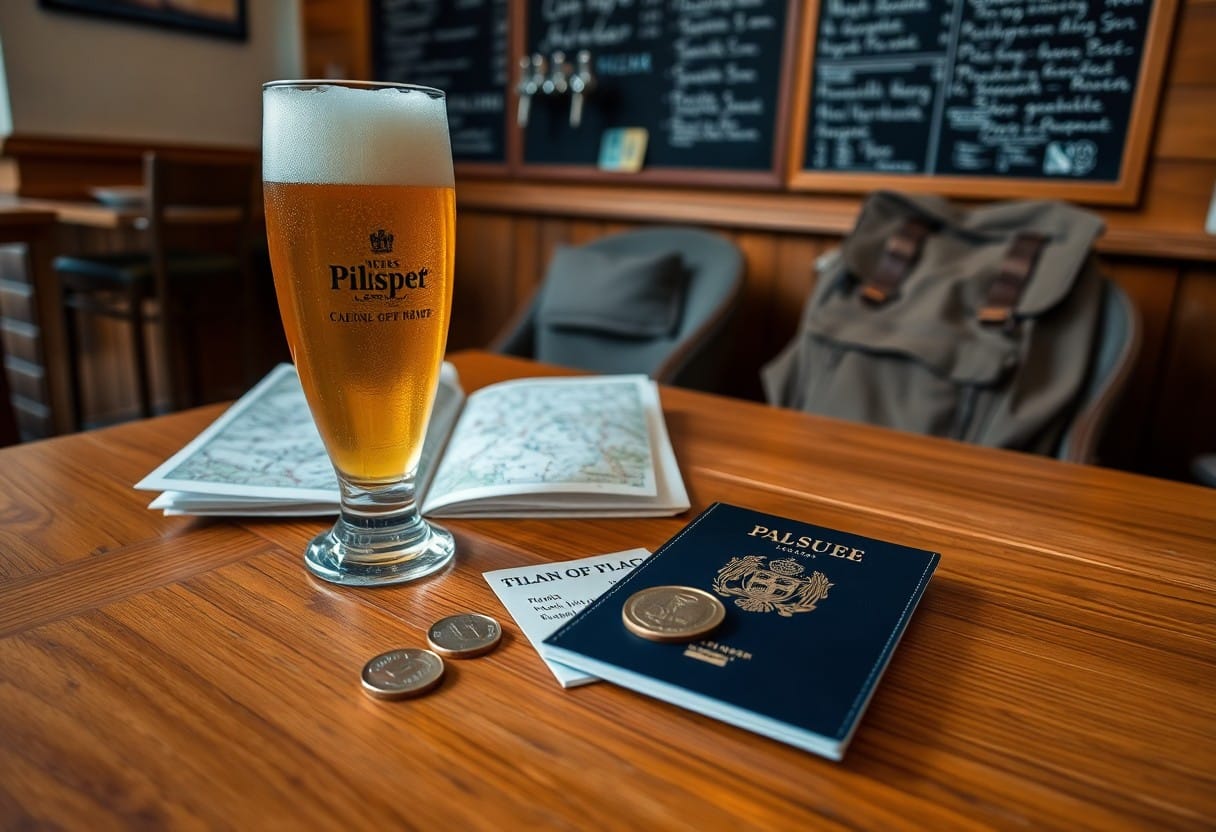
Just as you step into a Czech pub, you’ll find world-class, affordable beer and a culture that values unhurried tasting; as a solo traveler, use common-sense safety, keep an eye on your drink and pace yourself – overdrinking can put you at risk – and be polite when ordering, paying, and tipping: observe local serving etiquette and buy rounds carefully to blend in and enjoy responsibly.
Types of Czech Beer
| Pilsner (světlé ležáky) | Light, hop-defined lagers that set the global standard; Pilsner Urquell dates to 1842 and many are served at 4-5% ABV. |
| Traditional Lagers | Includes výčepní and ležák grades (10°-12° Plato common); you’ll find them on tap across pubs and beer halls. |
| Dark & Semi-dark | Tmavé and polotmavé offer roasted malt, caramel and chocolate notes; often richer but still moderate in strength. |
| Pale Ale / Craft Ales | Craft movement brought American-style pale ales and IPAs into Czech taps; expect hoppier flavor and 4.5-6% ABV. |
| Specialty Beers | Barrel-aged, sour, smoked and seasonal brews showcased at festivals and brewpubs; some reach 8-12% ABV or higher. |
- Pilsner
- Lager
- Pale Ale
- Specialty Beers
- Dark Lager
Lager
You’ll encounter Czech lagers everywhere: from small village hospody to ornate beer halls in Prague. Typical ležáky are fermented cold and conditioned longer, which gives you a clean malt backbone and a restrained hop bitterness; many regulars order a 0.5 L of a 12° ležák, around 4-5% ABV.
When you order, ask for the beer by type or brewery name and whether it’s “na čepu” (on tap). Tasting differences can be subtle: some breweries emphasize Saaz hops for floral bitterness while others push malt sweetness, and you’ll learn to differentiate by the first sip.
Pale Ale
The Czech craft wave put pale ales and IPAs on the map, so you can find hoppy beers in taprooms from Prague to Plzeň. Expect more pronounced citrus, resin or tropical-hop notes compared with traditional lagers, and typical strengths run from 4.5-6% ABV, meaning they’re sessionable but more flavor-forward.
You’ll notice these ales often come in smaller formats-0.33 L bottles or 0.3-0.4 L pours on tap-because brewers focus on hop expression that’s best fresh. When you sample, compare a classic Czech pale ale to an American-influenced IPA to see how local malt and hop choices shift the balance.
More info: pair pale ales with grilled sausages, sharp cheeses, or spicy street food; the hops help cut fat and highlight aromatics, and you should ask the bartender about freshness dates for the best hop impact.
Specialty Beers
Specialty brews are where Czech brewers experiment: barrel-aged stouts, oak-aged sour ales, smoked beers, and seasonal spiced variants surface at festivals and small breweries. Some barrel or barrel-fermented beers climb into the 8-12% ABV range, so you’ll want to pace yourself when tasting several styles.
These beers are often limited-release, labeled with batch info or aging time, and you’ll find them at events like the Prague Beer Festival and local brewpub taprooms. When you order, staff usually offer tasting pours so you can sample without committing to a full pint.
After sampling specialty brews at a festival, pace your drinking and ask staff about the ABV and serving suggestions to avoid surprises.
Beer Culture in the Czech Republic
Historical Significance
You will notice how history is woven into every pint: Pilsner-style lager was first brewed in Plzeň in 1842, and that innovation reshaped brewing worldwide. Monasteries and town breweries carried brewing techniques through the Middle Ages into modern industrial brewers, and brands like Budějovický Budvar (est. 1895) still anchor local identity in České Budějovice. The deep roots explain why beer isn’t just a drink here-it’s a cultural artifact that you encounter in architecture, festival calendars, and civic rivalries.
Your sense of scale will change when you learn numbers: Czechs drink about around 140 liters per person per year, ranking among the top per-capita consumers globally, and annual beer festivals in Pilsen and České Budějovice draw tens of thousands of visitors. You’ll find museum exhibits, brewery tours, and plaques commemorating local brews; treat those stops as part history lesson, part tasting itinerary.
Regional Variations
When you move between regions you’ll notice distinct profiles: Bohemian breweries (Plzeň, Prague) lean toward crisp, hop-forward pilsners, while Moravian towns (Brno, Olomouc, South Moravia) favor darker lagers, fuller-bodied ales and an active craft scene. Expect to see beer strengths expressed as degrees Plato-typical pub beers are 10° or 12° (the “desítka” and “dvanáctka”)-and to encounter both large legacy brewers and several-hundred-strong microbrewery networks supplying very local specialties.
Service style shifts, too: in major beer-producing cities you’ll often get tankové pivo-unpasteurized, chilled directly from stainless tanks-while smaller village pubs tend to keep long-conditioned house recipes on tap. You should also watch labels and menus for terms like točené (draft) and regional names such as Staropramen, Starobrno or craft names popping up in Brno’s beer halls.
If you want to order like a local, ask for sizes by name-půllitr (0.5 L) or a smaller 0.3 L-and specify the degree if you prefer a lighter or stronger brew; asking for “točené 12°” gets you a common stronger pub lager. Note that driving after drinking is treated with zero tolerance in the Czech Republic, so plan transport accordingly, and expect locals to pair beers with snacks such as pickled sausages, hermelín (marinated cheese) or rye bread with lard depending on the region.
Tips for Enjoying Beer as a Solo Traveler
Plan your drinking around serving sizes (0.3 L and 0.5 L are standard) and typical Czech lagers at about 4-5% ABV, so pace yourself by alternating pints with water and food; this helps you stay alert for tram schedules and late-night transport. Watch your glass in crowded spots, never leave it unattended, and carry small bills or a card-many pubs accept card but smaller taps may be cash-only; if you want the freshest option, ask for tankové pivo (unpasteurized tank beer) which is served straight from steel tanks and is often noticeably brighter and fresher than bottled versions.
- Pilsner
- tank beer
- beer etiquette
- solo travel
- brewery tour
When you order, be direct-say the size and name or point to the tap, and if you plan to tip, hand the extra cash when you pay or tell the server the total you want them to keep; many locals just round up or leave 5-10% for table service. After you signal the tip, the server will keep the change.
Recommended Breweries and Pubs
Head to Pilsner Urquell in Plzeň for the 90-120 minute brewery tour and original taproom where you can sample the historic 1842 pilsner straight from oak and steel tanks; tours frequently include tastings of 0.2-0.3 L samples. In Prague, sit at U Fleků (brewery pub since 1499) for its dark lager around ~5% ABV, or visit the Lokál chain for reliably fresh tank beer and classic Czech dishes-off-peak hours (14:00-17:00) give you better chance at a solo seat at the bar.
Book popular tours in advance-Pilsner Urquell and Budweiser Budvar slots fill on weekends-and check opening times: many regional breweries close between midday and early afternoon for cleaning. Carry small notes and coins for neighborhood pubs where card readers can be unreliable; this also makes tipping straightforward if you prefer to leave change for good service.
Local Beer Festivals
The Prague Beer Festival (typically a 10-day event in May) showcases around 120 beers from 70+ breweries, with many stalls pouring 0.3 L tastings and live music; Pilsner Fest in Plzeň (usually in October) centers on the Pilsner Urquell anniversary and draws tens of thousands of visitors. Festivals often use token systems and require a small deposit for a tasting glass, so plan to buy tokens and keep a 50-200 CZK deposit for the glass.
For a solo traveler, festival days midweek are quieter and easier for conversation; you can join guided tasting sessions or the festival’s volunteer tastings to meet people while sampling. Stay aware in crowds-pickpocketing increases at large events, and alternating beer with water helps you avoid overdrinking during long festival hours.
More practical details: most festivals accept card but bring some CZK for smaller vendors, expect tasting pours of 0.2-0.3 L, and check online whether the festival sells timed-entry tickets-this can cut waiting times at popular booths and guided tastings.
Engaging with Locals
Use simple Czech phrases-say “Na zdraví!” for cheers and “Děkuji” for thanks-to open conversations; bartenders and regulars appreciate the effort and will often recommend a local tap or off-the-beaten-path pub. Sit at communal tables when possible, ask “Co je na čepu?” (what’s on tap) and be ready to swap short recommendations-locals often respond well to requests for a favorite lesser-known brewery.
Join a brewery tour, a guided tasting, or a small group pub crawl to meet people in a structured setting; many Prague pub crawls cap at 20-30 people, making them easier to navigate solo and ideal for getting local tips. If someone offers to buy you a beer, accept politely but be prepared to pay your share-Czechs more commonly pay individually rather than buying rounds.
More nuanced etiquette: when toasting, make eye contact while clinking glasses and don’t start drinking before the toast is finished-failing to do so can be taken as impolite in local company.
Step-by-Step Guide to Crafting Your Beer Experience
Practical route planning and on-tap etiquette to maximize taste, safety, and local connection
Planning Your Beer RouteYou can start by mapping 3-4 stops per evening to avoid rush and overdrinking; aim for a mix of a historic pub, a modern brewpub, and a beer garden. For example, in Prague pair a visit to U Fleků (est. 1499) for history with a contemporary taproom like Vinohradský Pivovar, and reserve a night for a day-trip to Plzeň to see where Pilsner Urquell was first brewed in 1842. Plan transit times-short tram or metro rides reduce downtime and let you sample more without exhausting yourself. Look for servings and strengths to pace yourself: most Czech lagers fall in the 4-5% ABV range and are commonly served in 0.3L and 0.5L pours. Schedule food-heavy stops between tastings-order dishes like smažený sýr or goulash to slow alcohol absorption-and set a personal limit (many solo travelers find 3-4 pints a comfortable maximum in one evening). Carry ID and note that the legal drinking age is 18. | Understanding Beer EtiquetteYou should toast with eye contact and say “Na zdraví”; clinking glasses lightly while looking people in the eye is standard and signals respect. When a group raises a glass, wait until everyone has been served before drinking-jumping in early can be seen as impolite in social settings. If a server brings a free sample or small top-up, accept graciously and finish your glass before ordering another. Order at the bar in many traditional pubs; table service is common in restaurants and brewpubs. Tip around 10% for table service and round up small bar tabs; leaving exact change on the bar is acceptable. Be mindful of noise in residential neighborhoods after 10 PM and avoid overly loud behavior-locals value calm in late hours. For safety and to keep interactions positive, watch your belongings in busy tourist areas-pickpocketing can increase around crowded beer gardens and trams-and pace water between beers to maintain clarity of judgment. Engaging with bartenders about seasonal brews or asking for a Czech-style pour often wins recommendations and deeper local connection. |
Factors Influencing Beer Choices
You’ll weigh style, strength and context when picking beer in the Czech Republic: the original pilsner was brewed in Plzeň in 1842, most local lagers are served between 3-5% ABV, and taps typically list beers by degrees (10° vs 12°) that indicate original gravity rather than alcohol directly. Expect standard serving sizes of 0.3 L (malé) and 0.5 L (půl); if you prefer lighter drinking choose a 10° výčepní (~3.5-4% ABV), while 12° ležák will sit around ~4.5-5% ABV. Because there are now more than 500 regional and craft breweries across the country, you’ll find both century-old classics (Pilsner Urquell, Budvar) and experimental seasonal releases on the same tap list.
- Style: pilsner, světlý ležák, tmavé, polotmavé, IPA and unfiltered ‘živé’ beers
- Strength/°Balling: 10° (výčepní) vs 12° (ležák) vs specialty 13-16° stronger ales
- Serving: čepované (on tap) vs bottled; foam and temperature matter for flavor
- Setting: tourist beer halls vs local hospoda – atmosphere changes how you order and how much you drink
- Price: expect ~40-80 CZK for 0.5 L in most pubs, more in tourist zones
You’ll also factor in etiquette and safety: legal purchase age is 18, public drinking rules vary by city, and some regional brews reach higher alcohol levels – treat strong beers with caution when you’re on your own.
Personal Preferences
If you like hop bitterness, you should seek out smaller breweries around Prague and Brno where IPAs and hop-forward lagers are trending; breweries such as Matuška and Kocour regularly release single-hop or dry-hopped variants that clock closer to 5-6% ABV. When malt balance matters, pick a traditional tmavé or polotmavé from a local hospoda – those darker lagers often show caramel and toast notes without pushing ABV above ~5.5%.
You’ll also decide by mouthfeel and clarity: unfiltered kvasnicové (yeast-rich) beers give fuller texture and can be cloudier, while filtered ležáks pour clear with a crisp finish. For solo nights decide whether you want conversation – choose a neighborhood pub – or solitude in a quiet beer garden where you can sample several 0.3 L tasters without committing to a full půl.
Seasonal Varieties
Spring and summer releases tend to be lighter and more hop-forward, while autumn and winter bring bolder, higher-degree brews: vánoční (Christmas) and sváteční beers often sit at 13-16° and 5.5-8% ABV, intended as sipping beers rather than session pints. You’ll spot seasonal labels on tapboards as “sezónní” or by brewery name and year; many microbreweries limit runs to a few hundred liters, so timing and visiting a brewery taproom increases your odds of trying special batches.
When ordering, ask for the degree or ABV if the menu doesn’t list it – servers in hospody expect these questions and can recommend whether a seasonal will pair with food or is best as a standalone tasting. Because seasonal beers can be richer and sometimes experimental (smoked malts, added spices), you should pace yourself and consider 0.3 L servings for stronger releases.
Any time you chase seasonal Czech beers, use the degree system as a shortcut-10° ≈ 3.8% ABV, 12° ≈ 4.7% ABV and 14°+ usually pushes above 5.5%-and prioritize tasting at small brewery taprooms where limited-edition batches are freshest and staff can explain production notes and expected strength.
Pros and Cons of Solo Beer Travel
| Pros | Cons |
|---|---|
| You can follow your own pace-linger over a 0.5 l tanková in a quiet beer hall or hop between 4-6 taprooms in one evening. | Solo nights can feel isolated in large, tourist-filled beer gardens, especially after 11 pm when crowds thin. |
| You’ll meet locals more easily at the bar; many Czechs will strike up conversation if you show interest in beer styles and history. | Language gaps outside Prague are common; menus and beer lists may be in Czech only, making ordering harder. |
| You control your budget-typical pub pints range from 30-70 CZK (cheaper outside tourist zones). | Tourist traps near major sights can charge 2-3× local prices for the same beer. |
| You can focus on niche interests-historic breweries, unfiltered tank beer, or regional dark lagers. | Some smaller microbreweries have limited seating; you may wait alone or be turned away without a reservation. |
| Flexibility to change plans: ride-sharing, trams, and short taxi rides keep many neighborhoods accessible until late. | Night transport options vary; tram schedules stop around midnight on some lines and taxis can cost several hundred CZK late-night. |
| You’ll develop sharper etiquette instincts-how to toast, when to order another round, and local tipping norms. | Misreading etiquette can come off as rude; use resources like Beer etiquette in Prague – Prague Forum for specific local cues. |
| Solo travel forces efficient planning; you learn which districts offer the best beer per CZK and shortest walks between pubs. | Safety concerns rise when you overindulge alone-pickpockets and late-night harassment are occasional risks in busy areas. |
| You can curate a personalized beer tour-focus on Pilsner Urquell cellars, Moravian breweries, or contemporary Prague craft scenes. | Without a companion to split tastings, you might either overspend on pints or miss smaller tasters that require sharing. |
Advantages of Solo Exploration
You can tailor each night exactly to your interests: spend two hours in a historic Naplavka beer garden sampling unfiltered tankové lagers, then cross the river for a late craft session in Holešovice. Practical benefits include faster decision-making-you’ll cover more ground, visit 6-10 venues in a weekend, and adjust your route if a place is crowded or prices spike.
Socially, you gain access to authentic local interactions; bartenders in smaller pubs often welcome questions about brewing techniques and will pour smaller sample measures if you explain you’re tasting. Over time you’ll spot patterns-11° and 12° ležák are common strengths, Prague taprooms rotate seasonal specials more often in spring and autumn, and regional dark lagers are more prevalent in Moravia than in Bohemia.
Challenges to Consider
Navigating etiquette, safety, and budgets alone can be demanding: if you drink quickly you risk getting separated from your belongings or paying steep taxi fares-late-night rides from central Prague to outer districts can run 300-600 CZK. You should also be cautious with unfamiliar homemade spirits and watch for pickpockets in crowded sightseeing areas; keep valuables secured and avoid flashing cash in busy bars.
Etiquette missteps are common for solo visitors-things like how to toast properly, when to pay, and how to handle a server’s rounding of a bill can vary by venue. For actionable tips on local customs and detailed community advice consult the forum thread titled Beer etiquette in Prague – Prague Forum, which collects on-the-ground experiences from travelers and locals.
To wrap up
Upon reflecting, you should approach Czech beer culture with curiosity and respectful habits: order at the bar when appropriate, accept that serving sizes and pouring rituals may differ from what you expect, make eye contact during toasts, keep your voice and behavior measured, and pace your drinking so you can sample regional brews across several pubs without overindulging. By showing interest in local styles and following basic etiquette you’ll find conversations easier and the experience more rewarding.
You can prepare before you go and deepen your understanding by reading more about local practices at Beer culture in Czech Republic. Stay aware of your surroundings, use public transport or taxis if you’ve had several drinks, and let your manners guide interactions so your solo trip remains safe and sociable.
FAQ
Q: How do I order and pay for beer as a solo traveler in the Czech Republic?
A: Most pubs and beer halls expect you to order at the bar; point to the tap or the glass size you want if you don’t know the name. Menus often list beers by type (světlé = pale, tmavé = dark, polotmavé = amber, nefiltrované = unfiltered). In cities cards are widely accepted but many small pubs prefer cash, so carry some coins and small notes. You can pay when you order or at the end of your stay-if you sit at a table, servers will usually bring the bill. Tipping is modest: rounding up or leaving about 5-10% is appreciated; you can tell the server the total you want to pay (including tip) or simply leave change.
Q: What are the basic beer-drinking customs and etiquette I should follow?
A: Say “Na zdraví” and make brief eye contact when toasting; wait until everyone has a drink before taking your first sip. Clink glasses lightly rather than banging them; avoid loud or boisterous behavior in smaller or traditional pubs. Don’t pour someone else’s drink without asking, and accept that servers will usually clear empties. If offered a round, reciprocating later is polite but not mandatory-splitting the bill or paying for yourself is perfectly acceptable for solo travelers.
Q: How can I enjoy pubs safely and respectfully as a solo traveler?
A: Join communal tables if you want company, but be mindful that locals can be reserved-start with a friendly beer-related question or a simple greeting. Keep your drink in sight, lock bags or keep them on your lap, and avoid accepting drinks from strangers if you feel unsure. Know the drinking age is 18 and emergency services number is 112. Plan transport back to your accommodation if you’ll be out late; many cities have reliable night trams/taxis but schedules vary by town.

I’m Jan, a Czech writer, hiker and travel guide born in Bohemia and based in Prague. I’ve been writing about my home country for 9 years, and I know it the way you only do when you’ve grown up here: the trail signs that locals actually follow, the pubs that aren’t in any guidebook, the castles that get overlooked because they’re not on a tour bus route.
Over 9 years I’ve covered every corner of the Czech Republic, from the Krkonoše ridges and Šumava forests to the wine cellars of South Moravia and the spa towns of West Bohemia. I’ve taken 40+ solo trips across Czechia, Slovakia, Poland, Hungary and Austria and I write in Czech and English, which means I can read the local hiking forums, regional news and municipal information that never gets translated.
My writing covers three areas: practical solo travel in Czechia (getting around by train and bus, hiking safely, visiting castles and landmarks without the crowds), expat and long-term living (the cultural surprises, the bureaucracy, what it actually costs, how the healthcare and transport systems work), and off-the-radar Czech Republic, the places most visitors never reach because they spend all their time in Prague.
Prague is extraordinary, but it’s maybe 10% of what this country has to offer. The rest is what I’m here to write about.