
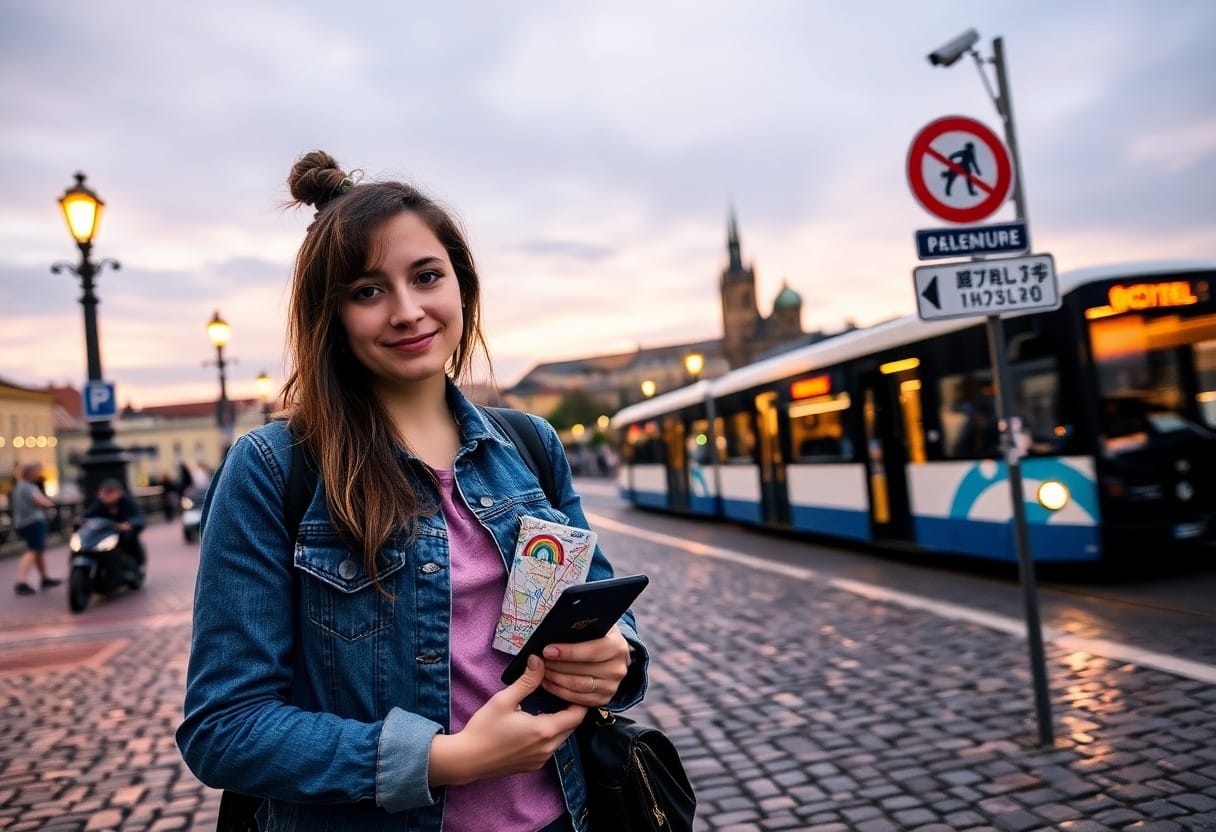
Just because you’re traveling solo as an LGBTQ+ person, you should know that Prague and larger cities are generally welcoming, but incidents of harassment can occur and risk is higher in rural areas or late-night settings; you should stick to well-lit, populated routes, choose trusted accommodation and LGBTQ+-friendly venues, keep local emergency numbers and embassy contacts handy, and connect with community groups so your trip stays safe and enjoyable.
Types of LGBTQ+ Friendly Accommodations
| Hotels | Chain and boutique options in Prague and Brno with formal nondiscrimination policies, concierge support and private rooms. |
| Hostels | Budget dorms and private rooms near Wenceslas Square and Old Town; many offer lockers, 24/7 desks and communal events. |
| Guesthouses / B&Bs | Smaller properties in towns and villages – often family-run, variable levels of openness, best when vetted by reviews. |
| Short-term rentals | Private apartments via platforms like Airbnb; high privacy but check host reviews and cancellation policies carefully. |
| Gay-owned / queer-friendly stays | Dedicated listings and a few Pride-friendly guesthouses, mainly in Prague’s Vinohrady and Žižkov districts. |
- LGBTQ+ friendly filters – use them when booking.
- Czechia location matters: Prague and Brno are most open.
- Prefer properties with 24/7 reception and secure access.
Hotels
You’ll find most reliable options among international chains and well-reviewed boutique hotels in Prague, where dozens of 4‑star and 5‑star properties advertise formal nondiscrimination policies and staff training; chains like international brands typically have clear reporting channels if you face discrimination. If you want concrete numbers, many central hotels list free cancellation up to 24-48 hours and nightly private rooms from ~1,500-4,000 CZK, which gives you flexibility to change plans quickly.
When you book, scan listing photos and recent reviews for mentions of inclusivity, and message reception to confirm policies on same‑sex couples or partner arrivals; properties with keycard access, CCTV in common areas and visible concierge staff reduce the risk of late-night incidents. The
Hostels
You can save significantly in hostels, where dorm beds commonly run 200-500 CZK per night and private rooms 700-1,500 CZK, but you should pick places with a high review score and active social moderation – many Prague hostels organize pub crawls and meetups that can be great for meeting local queer travelers. Hostels often list whether they offer women‑only or private rooms, lockers and 24-hour reception; these features materially improve your personal safety and privacy.
Status boards and recent guest comments are especially valuable: check for words like “supportive,” “welcoming” or any reports of harassment, because mixed dorms carry a higher risk of harassment than private rooms.
For extra safety choose hostels with a staffed night desk and in-neighborhood ratings – if you prefer anonymity, book a private room or a hostel that allows self check-in and secure lockers so you control who has access to your space.
Alternative Lodging
You’ll encounter a wide range of alternatives: small guesthouses, family-run pensions, Airbnb apartments and a few explicitly gay-owned stays; private apartments in Prague’s central districts often start around 1,000-2,500 CZK per night and give you full control over arrival times and guests. These options offer the most privacy, but location can affect safety – rural guesthouses and properties in conservative small towns may have lower tolerance and fewer emergency resources.
Vet hosts by checking long-term review histories, Superhost or Verified Host status, and whether the listing mentions clear check-in procedures, secure locks and proximity to public transport; that last detail matters when you need to leave late at night or access medical help quickly.
Prioritize listings with high response rates, explicit house rules that protect guests, and options for immediate rebooking through a nearby hotel if anything goes wrong. The
Safety Tips for Solo Travelers
You should prioritize practical steps: verify local laws and anti-discrimination protections, pick accommodation in known gay-friendly neighborhoods, and carry copies of ID and emergency contacts. Check recent traveler reports and forums for real-world incidents and patterns; for example, Prague‘s Vinohrady neighborhood and parts of Brno are widely cited as more welcoming, while smaller towns can be less predictable.
- Research destinations before booking
- Share your itinerary and use regular check-ins
- Use local resources and queer-friendly accommodations
- Know emergency numbers (EU 112; Czech police 158)
Researching Destinations
You should consult government travel advisories, local LGBTQ+ organization pages, and recent trip reports to gauge safety; official sources often cite specific incidents or areas to avoid and will note whether anti-discrimination laws are enforced. Check venue and hostel reviews for mentions of treatment toward queer travelers, and use mapping tools to mark safer neighborhoods and 24/7 transport options so you can plan routes that minimize walking alone at night.
Use social platforms and city-specific guides to find up-to-date community insights: local Facebook groups, Instagram accounts for queer nightlife, and event calendars for things like Prague Pride (held annually in August) can signal how visible and organized the community is. Combine that with concrete checks-crime statistics for the district, proximity to hospitals, and public transit hours-to form a destination-specific risk picture.
Local LGBTQ+ Resources
You should identify on-the-ground support before arrival: community centers, crisis hotlines, legal aid clinics, and queer-friendly health providers. In Prague and larger cities there are dedicated centers and helplines that can direct you to safe housing, accompany you to a reporting office if needed, or provide translations for medical visits; smaller towns may require relying on national helplines or the embassy/consulate instead.
Search for queer-friendly hostels and vetted guides that advertise safety policies and staff training on inclusivity; those venues often have up-to-date contacts for local lawyers or translators. Also look for online directories and apps that list verified resources and user-reviewed services so you aren’t navigating in isolation.
Prioritize saving contact details for at least two local organizations and your embassy or consulate, and store them both in your phone and a cloud document accessible from any device. Strong local connections can be the fastest way to de-escalate situations and access support when language or documentation barriers arise.
Communication with Friends and Family
You should establish a check-in rhythm before you leave: set daily or twice-daily times, and use apps that let loved ones view your real-time location when needed. Share a brief public itinerary with safe timestamps and a private copy with full details; include accommodation addresses, transport bookings, and contact info for local resources so others can act quickly if a check-in is missed.
Keep a secure backup of important documents and emergency contacts in encrypted cloud storage and a physical photocopy in a separate bag. Buy a local SIM or eSIM to ensure reliable data, and carry a small power bank so you don’t lose connectivity during long days or late nights.
Use group chats for status updates and have an agreed escalation plan-who to call first, when to alert authorities, and how to access embassy support-so responses are fast and coordinated.
Knowing a practical, peer-focused perspective can help you prepare: Meet Casey Blackert (She/Her) – Study Abroad.
Step-by-Step Planning for Your Trip
| Logistics | Safety & Resources |
|---|---|
| Plan realistic travel blocks: allocate 3-4 days for Prague to cover Old Town, Prague Castle and Vinohrady, add 1-2 days for a day trip to Český Krumlov or Karlovy Vary; Prague-Český Krumlov takes about 2.5-3 hours by bus. Book intercity trains (ČD) or FlixBus at least 7-14 days in advance during summer festivals to secure lower fares and predictable arrival times. | Map nearby hospitals, police stations and your embassy before arrival and save them offline; prioritize accommodations in central districts like Vinohrady (Prague) or the area around Zelný trh (Brno) where you’ll find visible LGBTQ+ venues and better English support. Carry a local SIM or eSIM so you can use ride apps (Bolt) and navigation without gaps. |
Itinerary Development
When you build your daily plan, block time for transit and downtime: expect 2.5-3 hours between Prague and Brno by fast train, and allow extra time for late-night returns if you’re out attending events. Use concrete checkpoints-arrival time, hotel check-in, one primary activity per afternoon and one evening venue-so you avoid being in unfamiliar areas after midnight without a plan.
Mix LGBTQ+-friendly neighborhoods into your route: schedule nights in Vinohrady in Prague to access bars and community centers, and allocate a daytime cultural visit to landmarks away from nightlife so you can meet locals and assess atmosphere by daylight. When attending Pride events or club nights, prebook tickets and note venue entry rules; some popular clubs reach capacity and implement strict ID checks.
Emergency Contact Preparation
Save and test key numbers on arrival: 112 (EU emergency), 158 (Czech police), and 155 (ambulance). Add your embassy or consulate contact, your accommodation’s phone, and one trusted local contact into your phone as ICE (In Case of Emergency), and store the same list on a paper card in your wallet.
Enable quick-access features: set an emergency contact on your lock screen, download the EU/112 emergency app, and pin the addresses of the nearest hospital and police station in offline maps. If you use hookup or social apps, share your live location with a friend for first meetings and schedule a check-in time.
Keep photocopies of your passport, travel insurance policy number and local health coverage details in cloud storage and on a printed page in your luggage so you can hand information to authorities or medical staff quickly if needed.
Cultural Considerations
Urban areas tend to be openly accepting-Prague consistently ranks high for LGBTQ+ visibility-so you’ll find many venues and events, but smaller towns can be more conservative and observational. In rural or less-touristed areas, reduce visible PDA and adopt a low-profile approach to avoid confrontational situations; use local cues and ask staff at cafes or hotels about neighborhood vibe.
Language and social norms matter: English is widely spoken among younger people and in tourist hubs, but outside those areas you may need basic Czech phrases or an offline translator. When using nightlife or dating apps to meet people, prefer daylight meetups and public venues with good lighting and transport options; if you plan to drink, factor in verified ride services or scheduled trams to get back safely.
Be aware that while authorities generally act professionally, avoid isolated parks late at night and prefer licensed taxis or app rides; keeping a printed address and a map to your accommodation reduces the chance of getting lost or ending up in a less safe neighborhood.
Factors Influencing Safety
Many variables change how safe you feel as an LGBTQ+ solo traveler in Czechia. Major influences include local legal protections, the visibility of queer communities in cities versus towns, and how law enforcement responds to reports of harassment or assault. In Prague and Brno you’ll find visible queer districts, active nightlife and easier access to LGBTQ+ health services, while in smaller towns and rural areas social visibility is lower and you may need to take extra precautions. Consult local sources and forums – for a range of personal experiences see Do you think Czechia is a safe place for people to come out?
- Registered partnerships and family law
- Anti-discrimination protections and hate-crime enforcement
- Urban vs rural attitudes and visibility
- Police reporting practices and victim support
- Healthcare access for trans and gender-diverse people
Practical examples: you can expect more inclusive signage, queer-friendly businesses and visible support networks in major cities, whereas in smaller municipalities incidents of verbal harassment are more likely to go unreported. Recognizing these differences helps you choose neighborhoods, plan transportation and decide how publicly you express your identity while traveling.
Local LGBTQ+ Laws
You should know that registered partnerships for same-sex couples have been in place since 2006, offering limited recognition compared with marriage; full nationwide same-sex marriage legal status has not been achieved. National statutes and EU-derived rules provide some anti-discrimination protection in employment and access to goods and services, but gaps remain around parental rights, inheritance and next-of-kin recognition that can affect you in emergencies.
When interacting with officials, you’ll find that awareness and application of the law vary by region and by agency. If you need to file a complaint after harassment, prioritize documenting incidents, seek assistance from local NGOs that liaise with police, and carry copies of relevant documents-medical cards, emergency contacts and any partnership paperwork-to speed administrative processes.
Social Attitudes and Acceptance
You’ll notice a clear urban-rural split in social acceptance: Prague, Brno and parts of Ostrava host active queer scenes, visible Pride events and many businesses openly advertising as LGBTQ+-friendly, while smaller towns may be socially conservative and offer fewer visible supports. Younger generations display markedly higher acceptance, so venues frequented by students and creatives tend to be safest for visible couples and gender expression.
Some regions have local initiatives and municipal anti-discrimination policies that directly improve safety for visitors; checking city tourism pages and local community calendars before you travel helps you identify safer neighborhoods and events. If you plan to be open about your identity, choose accommodations and venues with explicit inclusivity statements and reviews from other queer travelers.
More info: large annual events such as Prague Pride draw thousands and create short windows of heightened visibility and safety where you can participate in community programming, access legal clinics and meet local activists who can advise you on discreet resources outside major cities.
Historical Context
Post-1989 political change accelerated visibility and advocacy, and the legal landscape has shifted incrementally over the last three decades-culminating in the 2006 introduction of registered partnerships. That history means you’ll encounter both institutional progress and lingering conservative responses, especially in areas where older political attitudes remain influential.
Contemporary NGOs and community groups built from that history now provide practical support you can use: legal hotlines, referral lists for trans-healthcare and rapid-response networks that accompany you to file police reports if required. These organizations often maintain up-to-date advice on local services and safe contact points.
More info: awareness of past milestones and setbacks helps you contextualize current risks and protections-use local NGO directories and community maps to identify trusted partners who can offer immediate assistance if you encounter discrimination or violence.
Pros and Cons of Solo Travel in Czechia for LGBTQ+ Travelers
| Pros | Cons |
|---|---|
| Legal recognition: registered partnerships since 2006 provide some legal standing. | No full marriage equality: couples lack equal marriage rights and some family protections. |
| Vibrant urban scene: Prague and Brno host many LGBTQ bars, clubs and community events. | Rural conservatism: smaller towns and villages can be less accepting and occasionally hostile. |
| Large events: Prague Pride draws tens of thousands and there are regular queer film festivals and meetups. | Limited regional resources: LGBTQ-specific services and safe spaces are scarce outside major cities. |
| Affordable travel: trains and buses are generally cheap and well-connected between cities. | Late-night gaps: public transport and services reduce at night in non-urban areas, increasing vulnerability. |
| High English use in tourist areas: helps you navigate bars, hostels and emergency situations. | Language barrier outside cities: Czech-only environments make reporting or seeking help harder. |
| Good options to meet people: apps, community centers and events make socializing easier when solo. | App safety issues: dating apps can attract scams or unwanted attention; vet contacts carefully. |
| Relatively low cost of living: saves budget for safer accommodation and activities. | Variable accommodation quality: very cheap options sometimes lack security or vetted reviews. |
| Visible police presence in cities: can deter street harassment in central areas. | Underreporting of incidents: police response and follow-up can be inconsistent, especially outside Prague. |
Advantages
Registered partnerships since 2006 and anti-discrimination laws in certain areas mean you’ll find legal protections that many neighboring countries only recently adopted. In Prague and Brno you can join established communities-bars, queer film festivals and weekly meetups-so you rarely have to stay isolated; Prague Pride alone attracts tens of thousands, which shows the level of visible acceptance in the capital.
Public transit and intercity buses are affordable, so you can base yourself in a welcoming city and day-trip to nearby towns while keeping a reliable home base. Additionally, high English proficiency in tourist spots and plenty of hostels and guesthouses oriented toward international travelers make logistical planning and safety networking straightforward when you travel solo.
Challenges
Outside major cities, attitudes can be conservative and overt or subtle hostility is more likely; public displays of affection may draw negative attention in some regions. Reporting incidents can be difficult because police response varies by district, and you may face bureaucratic hurdles if you need medical or legal assistance-so have emergency contacts and documentation ready.
Access to LGBTQ-specific healthcare, particularly gender-affirming services, is limited and often centralized in larger hospitals, which means you may need to travel or wait for specialized care. Nighttime safety also requires planning: late trains and buses are less frequent outside cities, and unlicensed taxis or accepting rides from strangers increases risk.
To mitigate these challenges, always carry digital backups of important documents, use reputable ride services or pre-booked taxis, keep the EU emergency number 112 and the local police number 158 handy, and connect with local LGBTQ organizations or your embassy if you encounter threats or discrimination.
Resources for LGBTQ+ Travelers
Online Communities
You can tap into active Reddit threads (r/CzechRepublic, r/Prague) and niche Facebook groups by searching terms like “Queer Prague” or “LGBTQ+ Prague expats” to get real-time tips on safety, events, and venues; these communities often post last-minute meetups and venue warnings that are more current than guidebooks. Use Meetup to find queer-friendly activities-regular language exchange nights, film screenings, and queer sports meetups in Prague and Brno provide safe ways to meet people in groups.
When you use hookup or social apps (Grindr, Hornet, Scruff, HER), verify profiles, check recent activity, and always arrange first meetings in busy, well-lit public places; many community threads will flag problematic profiles or scams. Also consult ILGA-Europe’s country page and recent traveler posts to get a quick snapshot of legal protections and incident trends before you go.
Local Organizations
You should connect with Prague Pride for event listings and community outreach-it’s the largest visible organization and runs the city’s information channels, volunteering networks, and safer-space listings during the festival season. Smaller local NGOs and community centers in Prague and Brno publish helplines, legal-aid referrals, and lists of LGBTQ-friendly health and counseling services that you can contact in advance.
Outside Prague and Brno, services are more limited, so if you plan day trips or stays in smaller towns, reach out to national organizations or Prague-based groups for referrals; many will email local contacts or point you to regional allies. Locate organization websites and save phone numbers; some provide emergency contacts and maps of safe venues that you can download and keep offline.
Travel Blogs and Guides
You’ll find up-to-date scene guides on specialist gay-travel sites (GayCities, Nomadic Boys) and mainstream sources (Lonely Planet, Time Out Prague) that list bars, saunas, queer-friendly hotels, and weekend events-use them to build an itinerary and identify reliably safe neighborhoods like Vinohrady in Prague. Follow recent blog posts from expat and queer travelers for firsthand accounts of nightlife, public transit safety, and neighborhood tips posted within the past 6-12 months.
Cross-check any venue or safety tip across two or three sources and scan reviews from the last year; outdated listings can send you to closed venues or isolated spots, especially after festival seasons or post-pandemic closures. Save PDFs or screenshots of the most relevant blog posts and maps so you have working information if you lose connectivity while traveling.
Summing up
Drawing together, you can protect your safety during solo travel in Czechia by staying informed about local attitudes, laws, and LGBTQ+ resources; plan routes, book well-reviewed central accommodation, and keep emergency contacts and digital copies of documents accessible. Use local community centers and online forums for up-to-date guidance, stay aware of your surroundings in less-touristed areas, and take common-sense precautions like avoiding isolated places at night.
Your rights are generally supported in urban centers such as Prague, but you should still exercise situational awareness when expressing affection in public or meeting strangers from apps; document any incidents and report them to local authorities or your embassy if necessary. Carry travel insurance, share your itinerary with someone you trust, and rely on community networks so you can travel confidently while minimizing risks.
FAQ
Q: Is Czechia safe for LGBTQ+ solo travelers?
A: Overall, Czechia-especially larger cities like Prague and Brno-is relatively tolerant and has visible LGBTQ+ scenes. Urban neighborhoods and tourist areas are where you will experience the most acceptance; rural areas and some small towns may be more conservative, so adapt how openly you express your identity based on the setting. Laws permit same-sex relationships and there are anti-discrimination protections, but social attitudes can vary by region and generation. Stay aware of your surroundings, trust your instincts, and favor well-lit, populated routes and venues at night.
Q: What should I do if I face harassment or violence while traveling alone?
A: Prioritize your immediate safety: move to a public place, seek help from staff, and away from the aggressor. Contact emergency services (112 across the EU) if you need urgent police or medical aid; ask your accommodation or nearby business to assist with language or calling authorities. Preserve evidence where possible (photos, messages, witness names) and file a police report if you feel able; also contact your embassy or consulate for support. Reach out to local LGBTQ+ organizations or community centers in the city for guidance, accompaniment, and resources for reporting or recovery.
Q: How can I find LGBTQ+-friendly accommodations, venues, and meetups while staying safe?
A: Use reputable review sites and LGBTQ+-specific apps or guidebooks to identify friendly hotels, guesthouses, bars, and events; in Prague, neighborhoods like Vinohrady and parts of the city center have many welcoming options. Choose accommodations with good reviews, clear safety policies, and 24-hour reception if possible; message hosts about your needs before booking. When meeting people from apps or social groups, meet in public places, tell someone your plans and expected return time, and prefer licensed taxis or trusted ride-hailing services after late nights. Learn a few local phrases for emergencies and keep digital copies of important documents and contacts.

I’m Jan, a Czech writer, hiker and travel guide born in Bohemia and based in Prague. I’ve been writing about my home country for 9 years, and I know it the way you only do when you’ve grown up here: the trail signs that locals actually follow, the pubs that aren’t in any guidebook, the castles that get overlooked because they’re not on a tour bus route.
Over 9 years I’ve covered every corner of the Czech Republic, from the Krkonoše ridges and Šumava forests to the wine cellars of South Moravia and the spa towns of West Bohemia. I’ve taken 40+ solo trips across Czechia, Slovakia, Poland, Hungary and Austria and I write in Czech and English, which means I can read the local hiking forums, regional news and municipal information that never gets translated.
My writing covers three areas: practical solo travel in Czechia (getting around by train and bus, hiking safely, visiting castles and landmarks without the crowds), expat and long-term living (the cultural surprises, the bureaucracy, what it actually costs, how the healthcare and transport systems work), and off-the-radar Czech Republic, the places most visitors never reach because they spend all their time in Prague.
Prague is extraordinary, but it’s maybe 10% of what this country has to offer. The rest is what I’m here to write about.