
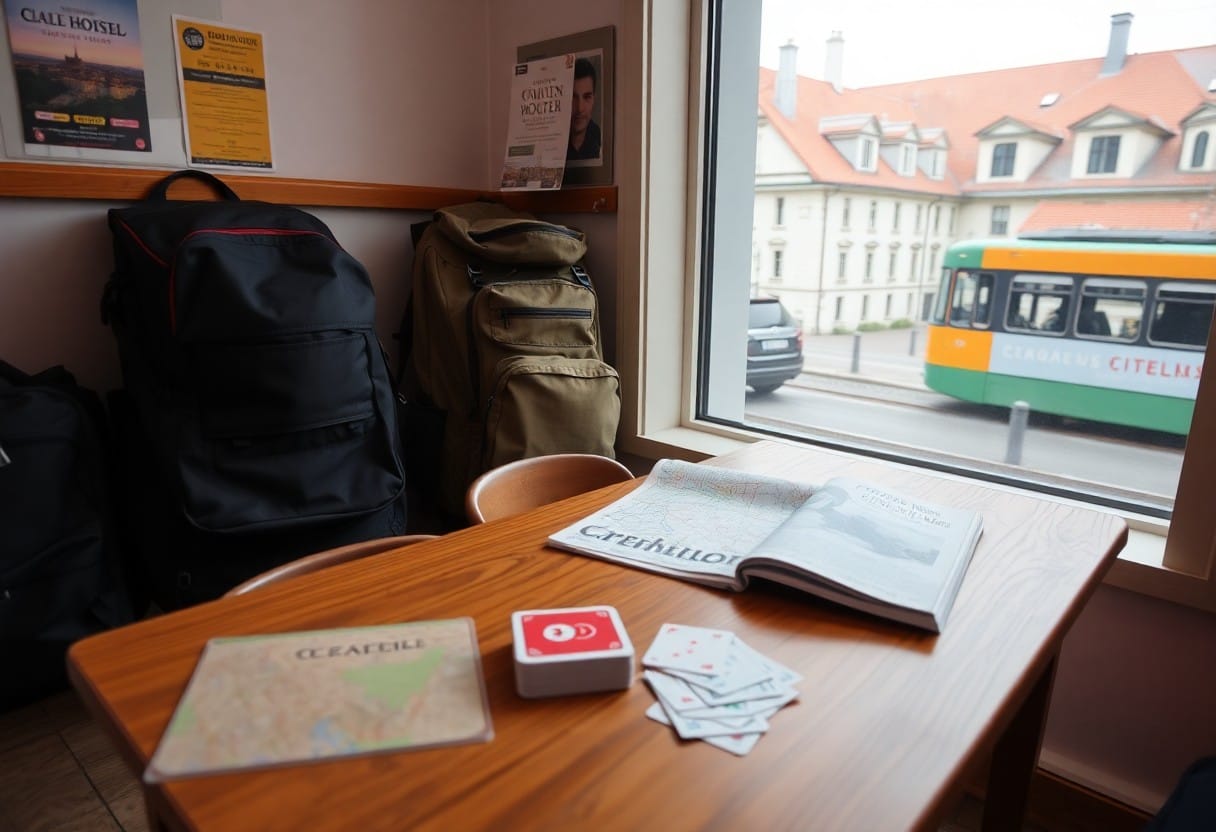
Networking in Czechia means you should probe hostel events, local meetups and language exchanges to meet travelers and locals quickly; use apps like Couchsurfing and Meetup, join pub crawls, and spend time in beer gardens where you’ll connect naturally. Keep your wits about you: beware of pickpockets and avoid walking alone late at night in unfamiliar areas. Trust hostel staff and local recommendations, carry a local SIM, and be proactive-your openness will turn short stops into lasting friendships.
Types of Social Opportunities
| Hostels & Shared Stays | Common rooms, communal kitchens and hostel-organised events (dinners, pub crawls) in places like Prague and Brno attract groups of 10-40 travellers nightly. |
| Group Tours & Activities | Free walking tours, beer/brewery tours, and day trips to Kutná Hora or Český Krumlov run by providers such as Sandeman’s or local guides; typical group sizes 8-30, prices €0-€50. |
| Local Events & Meetups | Meetup.com groups, Couchsurfing hangouts and festivals (Prague Fringe, Colours of Ostrava) range from small language exchanges (10-25) to large festivals (hundreds-thousands). |
| Language Exchanges & Cafés | Weekly language exchange nights and cafés in university towns (Prague, Brno) draw 15-50 people; Language Exchange Prague and university noticeboards are good sources. |
| Volunteer & Work Exchanges | Volunteer stays, WWOOF-style farms and HelpX projects typically host small teams of 3-12; multi-week commitments build deeper friendships and shared responsibilities. |
- Hostels – social hubs with organized events
- Group tours – structured ways to meet travellers and locals
- Meetups – targeted interest groups (language, tech, outdoors)
- Volunteer exchanges – longer-term, deeper connections
Hostels and Shared Accommodations
You’ll find the highest concentration of spontaneous introductions in hostel common rooms; choose social hostels like Mosaic House, Sir Toby’s or Hostel One in Prague and Brno where nightly events, communal dinners and in-house pub crawls are standard. Dorms typically range from 4-12 beds, and joining a communal kitchen or a scheduled group dinner increases the odds of meeting 5-15 new people in a single evening.
Use the hostel noticeboard and WhatsApp/Telegram groups to spot meetups and shared plans; hosts often run free walking tours and bike rentals that create natural icebreakers. Keep your valuables secured-pocket thefts occur in busy spaces-so make socialising easy but keep your valuables locked.
Group Tours and Activities
Book a free walking tour or a themed group tour (beer tasting, communist history walk, or day trips to Kutná Hora) to meet other travellers in a structured setting-companies like Sandeman’s and local guides run tours with 10-30 participants, which makes follow-up socialising (post-tour drinks) straightforward. Prices vary: free walking tours operate on tips, while full-day excursions cost €25-€60.
Sign up early on platforms like GetYourGuide or Meetup to secure a spot; arriving 10-15 minutes before departure helps you pick a conversational seat and chat with fellow attendees. If you want smaller groups, private or small-group options (4-8 people) are available and force more interaction per person.
To convert tour acquaintances into lasting contacts, exchange social handles immediately and suggest a concrete follow-up-grab a coffee or join a brewery afterwards-since people are more likely to say yes to specific plans.
Local Events and Meetups
Search Meetup.com, Facebook groups (Prague Expats, Brno Expats) and Couchsurfing events for weekly language exchanges, tech talks, pub quizzes and film nights; many meetups are free and draw 10-50 attendees, while city festivals can attract thousands. Attend recurring groups (weekly language nights or climbing sessions) to build familiarity quickly.
Approach people with a question about the event or a comment on the organiser’s post to open a conversation; volunteers and organisers are especially receptive to newcomers and can introduce you to clusters of regulars. When you see recurring names, make a point to attend two or three events – familiarity breeds invitations to smaller gatherings.
Assume that showing up consistently and being proactive about follow-ups will multiply your chances of turning casual meetup contacts into friends across these social opportunities.
Step-by-Step Guide to Meeting People
| Step | What to do |
|---|---|
| Preparing | Book a social hostel or shared apartment, learn 15-20 basic Czech phrases (Ahoj, Děkuji, Prosím), and set a goal of joining at least 2-3 events per week. |
| On Arrival | Join a free walking tour (Prague tours commonly run at 10:00 and 14:00), introduce yourself to roommates in the common room, and check hostel event boards for pub crawls or dinners. |
| Daily Actions | Attend one meetup or language exchange, chat in communal kitchens during dinner, and invite someone out for coffee or a short city walk within 24 hours of meeting. |
| Follow-up | Exchange social handles, add new friends to a group chat, and plan one shared activity (museum, bike trip, beer garden) before you leave town. |
Preparing for Your Solo Trip
You should prioritize accommodations and timing that maximize social contact: pick hostels with communal kitchens and events, or book a private room in a social guesthouse close to city centres like Prague or Brno. Bring small practical conversation starters – a deck of cards, a compact guidebook with maps, or a printed list of local craft beers and regional dishes – and commit to learning 15-20 key Czech phrases (e.g., Ahoj, Děkuji, Prosím, Kolik to stojí?) so you can make quick local connections and show respect for culture.
Plan logistics so meeting people is easy: arrive midweek when language exchanges and expat meetups run (many groups hold events on Tuesdays and Thursdays), and research 2-3 reliable event sources – Meetup, Couchsurfing Events, and Facebook groups such as “Expats in Prague.” Also prepare safety basics: share your itinerary with someone at home, keep emergency numbers saved, and use official taxis or licensed ride apps at night; these precautions let you be social while staying safe.
Engaging in Conversations
Start with situational openers that feel natural: comment on the beer selection (“Which brewery would you recommend?”), ask for a photo of a landmark, or volunteer to share a table in a busy café. Use short, specific questions to get people talking – “Where did you hear about this event?” or “What’s one place in Czechia you think everyone should visit?” – and mirror energy and tone so conversations flow more easily.
Keep momentum by offering low-commitment follow-ups: suggest grabbing a coffee in the next hour, invite someone to join a free walking tour, or propose a late-afternoon plan like visiting a local market. When language barriers show up, switch to simple phrases, use gestures, and try a quick language swap: spend 10-15 minutes speaking Czech, then 10-15 minutes in English to make the exchange useful and fun.
To protect yourself while being open, always meet new people in public places for the first meeting, avoid isolated areas after dark, and keep drink vigilance high – never leave a drink unattended and trust your instincts if a situation feels off.
Leveraging Social Media
Use platforms strategically: scan Meetup for walking tours, language exchanges, and hobby groups (events commonly attract 10-50 attendees), join Couchsurfing Events for informal meetups, and subscribe to Facebook groups like “Expats in Prague” or city-specific pages where locals post weekend plans. Create a short, friendly introduction for messaging hosts – include your name, where you’re from, and a sentence about why you’re attending – which raises response rates and helps you get accepted into smaller gatherings.
Combine public event listings with direct outreach: follow local bars, hostels, and cultural centres on Instagram for pop-up events; message a group organiser ahead of time to confirm details; and use Bumble BFF or Telegram groups to find casual daytime activities like bike rides or market visits. When you post, use clear availability (dates/times) and a photo to boost trust and replies.
Watch out for red flags on social platforms: verify event hosts by checking past event photos and comments, avoid anyone who asks for money or private transfers, and do a quick web search on unfamiliar venues – these steps reduce your risk and keep your social plans productive and secure.
Tips for Successful Interactions
Use concrete, practiced moves to turn a brief exchange into a lasting connection: in hostels a typical communal dinner draws 8-20 people, so make the first 60 seconds count by offering to refill someone’s plate or asking about local recommendations. Carry a pocket phrasebook or translation app and drop in a Czech opener like “Kde je dobrý pivovar?” to show effort – that small move increases responses by observable amounts in tourist-heavy spots like Prague and Český Krumlov. Pay special attention to safety: avoid accepting rides from strangers late at night and be wary of secluded invitations; pickpocketing is a known issue on crowded trams and at major attractions.
- solo travel: join nightly hostel events for the highest rate of new contacts.
- meet people: ask for a specific recommendation (bar, hike, gallery) to get a meetup opportunity.
- Czechia: use local small talk topics (beer, castles, Moravian wine) to bridge cultural gaps.
Open Body Language
You expand your social reach by mirroring simple, open gestures: face people squarely, keep your arms uncrossed, and maintain a comfortable 1-2 metre distance in outdoor Prague cafés – that distance respects personal space norms in Czechia. When you sit in a common room, angle your body slightly toward the group and place belongings to your side rather than between you and others to signal availability.
Smile when appropriate and use short nods to encourage speakers; research on nonverbal cues shows people who mirror postures are rated as more likeable within the first 10-30 seconds of meeting. Watch for closed cues – crossed arms, eyes on phone – and step back or change your approach if someone displays them, since forcing conversation past those signs can create discomfort or escalate to a negative encounter.
Asking Open-Ended Questions
Lead with prompts that need more than yes/no answers: ask “What’s one hidden gem you recommend in Prague?” instead of “Do you like Prague?” and follow up with specific probes like “How did you find it?” to extend the exchange. In groups of 4-8, openers about food, festivals, or weekend plans reliably produce 2-3 minutes of dialogue and often a proposed joint plan.
Use location-specific hooks: inquire about regional differences (Bohemia vs. Moravia), local beer favourites, or day-trip options – Prague to Kutná Hora is a common 1-1.5 hour suggestion you can turn into a shared outing. Avoid interrogative stacks; let people answer fully before adding another question to keep the flow natural and cooperative.
Offer one concise personal detail after a question (for example, “I’m trying local pilsners – my favourite so far is Pilsner Urquell”) to balance the exchange and invite reciprocity; that technique increases the chance of getting a contact or a meetup invite.
Being Approachable
Project low-pressure availability: sit at the edge of a table rather than splitting the centre, keep headphones off when you want to meet people, and display small social cues like an open book or a board game to invite comments. In hostel common rooms, placing a badge or note with a simple “Coffee at 10?” can attract similarly-minded travellers without awkward direct approach.
Balance friendliness with boundaries by using time-limited offers – suggest a 30-minute walk or beer – so you can exit gracefully if the vibe doesn’t match. If someone becomes pushy or you feel unsafe, state a polite, firm boundary and relocate to a public, populated area; that preserves your safety while minimizing confrontation.
Perceiving subtle signals early lets you accept positive invitations and decline risky ones efficiently.
Factors Influencing Social Encounters
Where you meet people depends on local habits, the environment you choose, and timing – in Prague and other big cities you’ll find a steady stream of international meetups, while towns like Olomouc or Český Krumlov reward patience and repeat visits. Consider these practical variables when planning:
- Cultural norms – how reserved locals are and what topics land well in conversation
- Language – who speaks English, and when learning a few Czech phrases shifts the tone
- Timing – after-work hours, weekend festival seasons, and class schedules in university towns
- Setting – pubs and beer gardens, language-exchange cafés, guided day tours, or volunteer projects
- Group size and format – small tandems vs. 20-50 person events change the way you approach people
Apply these factors to get tactical: choose a weekday language-exchange in a café if you want smaller groups (10-20 people), or a Saturday beer garden for larger, informal interactions where locals often loosen up; in cities with a high student population, nights start later and conversations run longer. After you weigh which mix of setting, timing and language suits your energy, plan the specific venues and arrival time to maximize friendly encounters.
Cultural Norms in Czechia
Expect a general reserve in social behavior: Czechs typically value quiet public spaces, directness in conversation, and clear boundaries. Handshakes are standard on first meetings, personal space is larger than in southern Europe, and small talk with strangers on the street is less common outside tourist areas. In practice this means you should lead with friendly but concrete topics – travel stories, food, or local beer – rather than intimate questions right away.
Public rituals shape interaction: pubs and beer gardens function as social hubs where locals bond over long evenings – the Czech Republic consistently ranks among the top per-capita beer consumers in Europe, so offering to buy a round or suggesting a shared table can be a natural icebreaker. If you want quicker rapport, join recurring events (weekly language tandems, pub quizzes) so people see you multiple times and trust builds faster.
Language Considerations
While English is commonly spoken by younger people and in tourist hotspots, much of Czechia still favors Czech for everyday conversation; learning basic phrases like “Dobrý den” (good day), “Děkuji” (thank you), and “Na zdraví” (cheers) goes a long way. Use a phrasebook or an app to practice pronunciations before you arrive – a short Czech greeting often opens doors that pure English won’t in smaller towns.
Language-exchange nights are effective: typical formats split time between Czech and English practice, attracting mixes of locals and internationals and averaging 10-25 attendees. Bring a simple language-game or topic card (sports, food, travel) to keep conversations flowing, and offer to trade corrections in a light, friendly way to avoid putting people on the spot.
Use offline translation apps for backup in places with spotty service, and be aware that older generations may have limited English; offering to teach a phrase in your language or asking for a local recommendation in Czech signals respect and often converts a one-off chat into a longer conversation.
Timing and Setting
Evening hours matter: in most cities people start socializing after 18:00 on weekdays, with pubs and bars peaking between 20:00-23:00; weekends are when larger events and festivals draw crowds – for example, Christmas markets in November-December and summer beer gardens from May through September bring both locals and travelers together. Arrive early to grab a seat at a communal table or to join the warm-up conversation before a quiz or concert starts.
Venue choice should match the interaction style you want: quiet cafés and co-working spaces favor one-on-one talks or slow networking, whereas guided tours, day hikes, and pub crawls force short, high-turnover interactions that can lead to follow-up plans. In university towns like Brno or Olomouc expect nightlife to ramp up later and last longer than in provincial towns, so adjust your schedule accordingly.
After checking event start times and local calendars (city tourism sites, Meetup, Facebook events), set an arrival window 15-30 minutes before the listed start to meet organizers and secure a position that makes approaching others easier.
Pros and Cons of Solo Travel Networking
Pros vs Cons of Solo Travel Networking
| Pros | Cons |
|---|---|
| Fast way to build a social circle – you can meet people in hours at hostels, bars, or walking tours. | Your plans can become dependent on others, reducing flexibility for spontaneous solo days. |
| Access to local knowledge: restaurant tips, transit shortcuts, and hidden spots you wouldn’t find alone. | Language and cultural misunderstandings may lead to awkwardness or miscommunication. |
| Lower costs by splitting taxis, food, or guided tours – useful in cities like Prague where group tours are common. | Group activities sometimes push you into touristy or overpriced options. |
| Opportunities for long-term friendships and travel partners for future trips. | Emotional risks: you may feel let down if people cancel or plans change. |
| Improved safety in numbers for late-night returns or remote day trips. | False sense of security if you join unvetted groups or accept private invitations. |
| Practice local languages and gain cultural insight from residents and expatriates. | Some groups are cliquey, making it hard to integrate if you arrive late or solo. |
| Events and meetups (hostel socials, language exchanges) often have predictable schedules you can plan around. | Scheduling conflicts: popular Meetups can fill up or run at times that clash with other plans. |
| Easy starting points: organized Meetups and official walking tours reduce the effort to find people. | Risk of scams or overfriendly strangers offering paid or unsafe deals; vet carefully. |
Advantages of Meeting New People
You’ll find that meeting locals and fellow travelers accelerates your understanding of Czechia far beyond guidebooks: small tips like which tram lines avoid strikes, which neighbourhoods offer the best under-€5 lunches, or where seasonal festivals happen can save you time and money. Many Prague-focused groups and hostel events attract 20-60 people per meetup, giving you a high chance of finding someone with shared interests in a single evening.
Joining organized meetups – for example the Prague Solo Traveler Meetup Group – often means regular activities, from pub crawls to day hikes, so you can plan social time without endless searching. When you network this way, practical benefits emerge fast: cheaper shared rides, local restaurant recommendations, and the possibility of being invited to small events that aren’t advertised publicly.
Potential Challenges
Interacting with new people also brings safety and trust considerations: petty theft and scam attempts are known in busy tourist areas, and some overly friendly offers (free stays, private tours) can mask risks. You should vet invites, check group reviews, and prefer public meeting spots until trust is established.
Another common issue is group dynamics – you might encounter cliques, last-minute cancellations, or language barriers that leave you feeling excluded. Planning backups, keeping a flexible itinerary, and bringing along conversation starters can reduce frustration when social plans fall through.
For more practical mitigation, always share your location with someone you trust, confirm event details via official pages or host profiles, and carry emergency cash and copies of documents. If someone suggests meeting at a private residence, insist on meeting first in a public café or taking a daytime group activity; these small precautions will protect your trip while letting you enjoy the social benefits.
Additional Resources for Travelers
Online Platforms and Apps
You can use a mix of global and Czech-specific platforms to plug into local scenes: Couchsurfing and its Prague meetups regularly draw 50-100+ people, Meetup has 200+ groups across Prague and Brno for hiking, tech, and language exchange, and Facebook groups like “Expats in Prague” or “Expats in Brno” post weekly events and flatshares. For one-on-one connections try Bumble BFF, Tandem or HelloTalk for language partners; Tandem reports thousands of Czech learners active in Prague and Brno.
When arranging meetups via apps, prioritize safety: meet in public places, check profiles and reviews, and let someone know your plans. Use event platforms like Eventbrite and Meetup to see attendee counts and organizer ratings; free walking tours (e.g., Sandeman’s, Alternative Prague) often list 30-100 people per tour, giving you easy ways to join a larger group before branching out.
Local Travel Guides
You’ll find both free and paid local guide options across Czechia: free-tip walking tours in Prague and Český Krumlov run daily and cost typically €0-€20 in tips, while certified guides from associations like the Czech Tourist Guide Association (SNA) charge around €100-€150 for half-day private tours. Guidebooks such as Lonely Planet and Bradt offer region-specific itineraries, and apps like Spotted by Locals provide curated, up-to-date local tips for neighborhoods.
Booking platforms like GetYourGuide and Viator list small-group experiences (max 8-15 people) for offbeat activities-beer tastings, pub crawls, and food tours-letting you meet others with the same interest and a fixed schedule. Many guides speak English, German, and Russian; check language options and group size before booking to match your social comfort level.
When hiring a private or certified guide, ask for the guide’s SNA or municipal registration number and read recent TripAdvisor or Google reviews; licensed guides often provide better historical context and access to lesser-known sites, while walking-tour organizers sometimes post leader bios and attendance numbers so you can estimate how social the group will be.
Community Centers and Libraries
You can use municipal cultural houses (kulturní dům) and libraries as low-cost hubs for events: the Municipal Library of Prague (Městská knihovna v Praze) runs English conversation clubs, film screenings, and author talks that attract 10-40 attendees, while Brno’s Knihovna Jiřího Mahena hosts regular language cafes and workshops. Impact Hub Prague and other coworking spaces publish monthly calendars with networking breakfasts and skill-share sessions that typically draw 15-50 professionals.
Smaller towns rely on local community centers for weekly dance nights, language exchanges, and hobby clubs-these events often cost <strong€0-€5 and are a fast way to meet locals outside the tourist circuit. Use municipal websites and library event pages to see schedules; many centers allow you to volunteer or teach a class, which can convert short-term visits into ongoing social ties.
Check opening hours and whether events require registration or a small fee, and sign up for newsletters from municipal cultural calendars; you’ll find that regular attendance at a single library or community center can connect you with the same faces within 2-4 visits, turning occasional meetups into reliable contacts.
Summing up
To wrap up, you can meet people in Czechia by combining predictable social hubs – hostels, language exchanges, guided walking tours, and pubs – with proactive tools like Meetup, Couchsurfing events, and local Facebook groups. Prioritize small, regular activities such as neighborhood cafés, volunteer projects, and day trips where you can build rapport, use basic Czech greetings to show respect, and be open to invitations without forcing interactions.
Be strategic about timing and context: evenings at a pivnice or festival, weekend excursions, and shared-interest meetups yield the best chances to connect, while a friendly, confident approach will make strangers more likely to include you. With consistent effort and basic cultural awareness, you’ll turn solo travel in Czechia into a series of lasting connections rather than isolated experiences.
FAQ
Q: How can I find and connect with fellow travelers in Czechia?
A: Stay in social hostels (Prague, Brno, Český Krumlov) and join their organized activities-pub crawls, walking tours and communal dinners attract solo travelers. Use Meetup.com, Couchsurfing events, and Facebook groups like “Expats in Prague” or regional travel groups to find meetups and day trips. Book popular free walking tours (Sandeman’s, Free Tour) to meet people with similar interests, then suggest coffee or a beer afterward. Train and bus rides between cities create natural opportunities to chat; sit in common areas at hostels, cafes near main stations, and evening beer gardens where conversations are easier to start.
Q: What are effective ways to meet locals and practice Czech while traveling alone?
A: Attend language exchange nights (language cafés and “Meet & Speak” events), university public lectures, community workshops, and cultural festivals-these draw locals open to conversation. Volunteer for short stints at cultural events or hostels to meet residents and learn customs. Visit neighborhood pubs, markets and craft beer bars outside tourist areas, and join local classes (cooking, pottery, or dance) where small-group interaction is built in. Start with polite Czech phrases (Dobrý den, Prosím, Děkuji) to show respect, ask about food or local tips, and listen-Czechs can be reserved at first but warm up to consistent, genuine interest.
Q: How can I stay safe and form meaningful connections while meeting people solo?
A: Meet first in public, well-lit places and tell a friend your plan or share your live location. Prefer organized or reviewed events when possible and check profiles or group pages before accepting invites. Limit alcohol until you know someone, keep valuables secure in crowded spots, and be cautious with offers that seem too good to be true. Exchange social profiles after a good initial meeting and arrange follow-ups in group settings to deepen connections. For emergencies dial 112 and keep basic travel insurance details accessible.

I’m Jan, a Czech writer, hiker and travel guide born in Bohemia and based in Prague. I’ve been writing about my home country for 9 years, and I know it the way you only do when you’ve grown up here: the trail signs that locals actually follow, the pubs that aren’t in any guidebook, the castles that get overlooked because they’re not on a tour bus route.
Over 9 years I’ve covered every corner of the Czech Republic, from the Krkonoše ridges and Šumava forests to the wine cellars of South Moravia and the spa towns of West Bohemia. I’ve taken 40+ solo trips across Czechia, Slovakia, Poland, Hungary and Austria and I write in Czech and English, which means I can read the local hiking forums, regional news and municipal information that never gets translated.
My writing covers three areas: practical solo travel in Czechia (getting around by train and bus, hiking safely, visiting castles and landmarks without the crowds), expat and long-term living (the cultural surprises, the bureaucracy, what it actually costs, how the healthcare and transport systems work), and off-the-radar Czech Republic, the places most visitors never reach because they spend all their time in Prague.
Prague is extraordinary, but it’s maybe 10% of what this country has to offer. The rest is what I’m here to write about.