
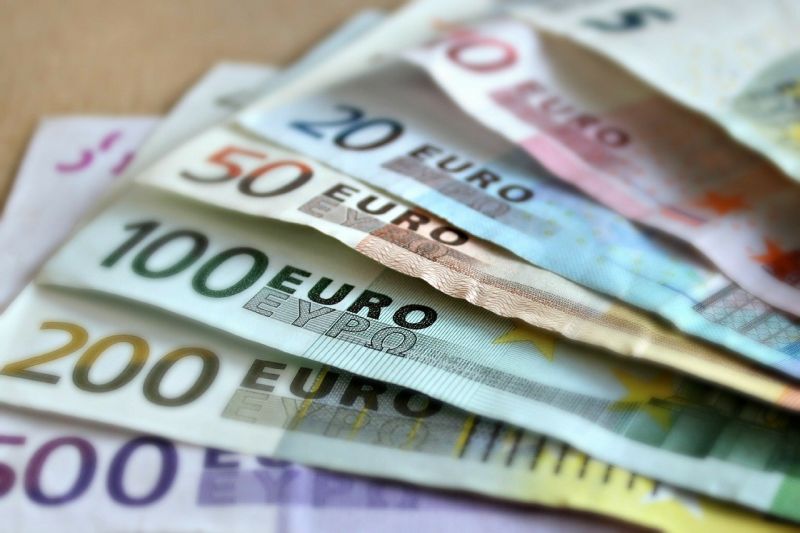
You should use Czech koruna (CZK) for everyday purchases while also taking advantage of widespread contactless and chip-and-PIN card acceptance; carry small cash for markets, trams and rural areas, and know that dynamic currency conversion and card skimming can cost you extra – use your bank’s ATM partners or a travel card to minimize fees, check card limits before you travel, and keep backups separate from your wallet.
Types of Currency Used in Czechia
When you pay in the Czech Republic you’ll mainly use Czech koruna for everyday transactions, but you’ll also encounter payments by card and occasional acceptance of euros in tourist areas. Expect most shops, taxis, and public transport to operate in CZK, while hotels, some souvenir shops, and exchange kiosks may quote prices in EUR – often at a worse rate than the market. Contactless cards and mobile wallets are widely accepted in cities, yet smaller vendors, market stalls, and some pubs still prefer cash.
- Czech koruna (CZK) – primary, used everywhere for daily purchases
- Euros (EUR) – accepted selectively in tourist zones; expect poor conversion
- Credit/debit cards – Visa & Mastercard strongest, AmEx less common
- Mobile payments – Apple Pay/Google Pay accepted in many urban shops
- ATMs – dispense CZK; use bank-affiliated machines to avoid high fees
| Czech koruna (CZK) | Primary currency; coins 1,2,5,10,20,50 CZK; banknotes 100,200,500,1 000,2 000,5 000 CZK. |
| Euros (EUR) | Accepted at some hotels and tourist shops; merchants often apply a poor exchange rate and give change in CZK. |
| Credit & debit cards | Visa and Mastercard widely accepted; check foreign transaction fees with your bank and avoid dynamic currency conversion. |
| Mobile wallets | Convenient in Prague and larger cities; useful for quick contactless payments and transit top-ups. |
| Exchange offices / cash exchange | Many kiosks advertise no commission but hide poor rates; use ATMs or bank branches for better value. |
Czech Koruna Overview
You’ll find the Czech koruna (CZK) in every register and ATM; coins include 1, 2, 5, 10, 20, 50 CZK and banknotes run from 100 to 5 000 CZK, which covers most daily needs. ATMs are abundant in cities – machines typically dispense 500 or 1 000 CZK increments – and withdrawing in one larger amount often reduces per-withdrawal fees. Pay attention when receiving change: small shops sometimes hand back multiple coins, so check your total to avoid mistakes.
For budgeting, think in round numbers: a café coffee costs roughly 40-80 CZK, a tram ticket in Prague is about 30-40 CZK (single short ride), and a mid-range dinner can run 300-700 CZK. Carry a mix of banknotes and coins to avoid issues with machines and small vendors, and if you plan to use taxis, prefer app-based services or insist on the meter to avoid inflated tourist fares.
International Currency Considerations
Paying in EUR is sometimes possible but often unfavourable: hotels or souvenir shops that accept euros will typically apply a poor conversion rate and may return change in CZK, effectively overcharging you. ATMs always dispense CZK, so if you arrive with euros you’ll either need to exchange them or use a bank card; exchanging at airport kiosks usually gives the worst rates, whereas bank ATMs or your home bank’s partner ATMs give better value.
Card use works well for most purchases, but watch for fees: your bank may charge a foreign-transaction fee (commonly 1-3%) and the ATM operator can add a flat fee (typically 20-150 CZK). Avoid dynamic currency conversion (DCC) at point of sale; if a terminal offers to charge you in euros instead of CZK, always choose CZK to get your card issuer’s exchange rate rather than the merchant’s inflated rate.
You’ll save money using a low-fee travel card (Wise, Revolut, or a card with no FX fees) for conversions close to the market rate; for example, converting via a travel card can cut costs compared with a typical bank fee of 2% plus a 50-100 CZK ATM charge on a 2 000 CZK withdrawal.
The best approach is to rely on CZK for day-to-day spending, use cards for larger purchases, and keep a small amount (about 200-500 CZK) of cash for trams, small vendors, and tips.
Tips for Managing Money While Traveling
Split your funds so you never have all your cash or cards in one place: keep a primary debit/credit card for daily use, a backup card tucked in a separate bag, and about 1,500-3,000 CZK in cash for the first day to cover transport and small vendors. Use your bank app to set alerts and temporarily block cards if something goes wrong; many Czech ATMs (bankomaty) and shops accept card payments instantly, so you can limit large cash withdrawals to avoid theft.
- Czech koruna (CZK)
- Contactless payments
- Chip-and-PIN
- ATMs (bankomaty)
- Dynamic currency conversion (DCC)
- Digital banks (Revolut, Wise, N26)
Keep copies of important numbers – card issuer, emergency phone, and the date your bank will unblock replacements – and store scanned copies of passports and cards in an encrypted note or secure cloud. When you use ATMs, prefer machines on bank branches (Česká spořitelna, Komerční banka, ČSOB) to minimize the chance of skimming; if a machine looks tampered with or has a strange keypad, walk away.
Best Payment Methods
You’ll find contactless Visa and Mastercard widely accepted in Prague and larger towns for cafes, shops, and public transport validators, often for purchases up to around ~500 CZK without a PIN; for anything larger, use your chip-and-PIN card. In rural areas and small markets, vendors may insist on cash-so plan to use cards for 80-90% of transactions in cities but carry cash for the rest.
For the best exchange rates, use a fee-free or low-fee foreign transaction card from providers like Revolut, Wise, or N26, which typically apply near-interbank rates and charge under 1% on ATM withdrawals after a monthly free allowance; your home bank’s debit card will work but often levies a 1-3% FX fee plus fixed ATM surcharges of ~50-150 CZK. Always decline offers to pay in your home currency at a terminal – that is dynamic currency conversion (DCC) and usually costs you more.
Currency Exchange Options
Avoid airport exchange desks and the bright “no commission” kiosks in tourist zones; those often hide large spreads and can cost you 5-15% extra compared with interbank rates. Instead, if you need to change cash, use a bank branch during business hours or withdraw from an ATM using a low-fee card – ATMs typically give a fairer rate even after a small withdrawal fee.
If you must use an exchange office (směnárna), check the posted buy/sell rates and calculate the effective percentage against the mid-market rate on your phone before handing over euros or dollars; some places advertise “no commission” but offer a rate several koruna worse per euro. Also be selective about how much you exchange at once: exchanging small amounts multiple times multiplies the hidden cost.
Recognizing that the cheapest and safest approach is usually withdrawing moderate sums (1,000-3,000 CZK) from bank ATMs with a low-fee card or using a digital bank card for larger purchases will minimize both visible fees and hidden spreads while giving you enough cash for taxis, trams (single Prague tickets cost about 30-40 CZK), and tips.
Step-by-Step Guide to Accessing Funds
Quick access checklist
| Step | What to do |
|---|---|
| 1. Prep your cards | Notify your bank of travel dates, enable chip + contactless, set a PIN you know, and check international withdrawal limits. |
| 2. Choose card types | Carry one debit (for cash) and one credit card (for larger expenses and emergencies); prefer Visa or Mastercard for widest acceptance. |
| 3. Withdraw smartly | Use bank-branded ATMs (Česká spořitelna, Komerční banka, ČSOB, Raiffeisenbank) and withdraw in multiples like 2,000-3,000 CZK to minimize per-withdrawal fees. |
| 4. Pay where possible | Use card contactless or chip-and-PIN in shops and restaurants; keep small bills for markets, trams, and rural vendors. |
| 5. Avoid DCC | Always opt to be charged in CZK rather than your home currency to avoid expensive dynamic currency conversion rates. |
You should plan on withdrawing enough cash for a day or two of incidental expenses-typically 2,000-5,000 CZK-and rely on cards for restaurants, hotels, and larger purchases. Keep one backup card and a small emergency stash of cash (1,000-2,000 CZK) hidden separately from your wallet.
Using ATMs in Czechia
Most ATMs in cities and tourist areas offer an English menu and dispense Czech banknotes in denominations of 100, 200, 500, 1,000, 2,000, and 5,000 CZK; pick amounts that avoid receiving excessive small bills. You’ll find bank-branded machines from Česká spořitelna, Komerční banka, ČSOB and Raiffeisenbank are the safest choices-fees are often lower and the machines are better maintained.
Expect two types of charges: the ATM operator may show a fixed fee (commonly in the range of 30-150 CZK for non-customers) and your home bank may apply an international withdrawal fee or a percentage (typically ~0.5-3%). Always decline offers to be charged in your home currency (dynamic currency conversion) and cover the keypad when entering your PIN to reduce the risk of skimming.
Withdrawals vs. Payments
Using cash from ATMs gives you flexibility for small purchases, markets, and public transport where cards might not be accepted, while card payments are convenient and usually cheaper overall for larger transactions because they avoid repeated ATM fees. In Prague and larger towns most merchants accept contactless Visa/Mastercard and mobile wallets, but expect smaller bars, kiosks and rural vendors to prefer cash.
When you pay with a card, the terminal normally processes the transaction in CZK; if offered an option in your home currency, choosing it will typically cost you a worse exchange rate via dynamic currency conversion. Also note that some merchants add a small surcharge for card payments-this is more common in tiny shops-so carrying a modest amount of cash helps you avoid unexpected fees.
For practical planning, split your access: withdraw a moderate amount (2,000-5,000 CZK) every few days to cover cash needs, and use your card for dining, hotels, and transportation; this minimizes cumulative ATM charges while keeping you ready for spots that only accept cash.
Factors Influencing Travel Expenses
Prices you encounter hinge on a mix of location, timing, and how you pay: staying in central Prague will push your accommodation and restaurant costs up compared with smaller towns, and traveling in July-August or around Christmas can double room rates. Watch the exchange rate and ATM fees-withdrawal charges of ~50-150 CZK per transaction plus a foreign-transaction markup from some banks can add up, and many merchants will push dynamic currency conversion (paying in EUR or your card currency) which often costs you more than paying in CZK.
- Accommodation – city center vs outskirts, hostels vs hotels
- Transport – trams, regional trains and long-distance buses vary by route and booking time
- Seasonality – peak vs off-peak prices for rooms and tours
- Payment method – cash, contactless card, mobile pay; card surcharges and ATM fees
- Type of activity – free sights vs guided experiences and day trips
For pragmatic, on-the-ground advice about what locals and solo travelers actually use for payments, check community tips like [CZECH REPUBLIC] How to pay for stuff? : r/solotravel, where people compare card acceptance, preferred ATMs, and small-vendor behavior in different towns.
Costs of Daily Living
You’ll typically spend roughly 40-70 CZK for a coffee, 150-350 CZK for a casual lunch, and 350-800 CZK for a dorm or budget private room per night outside peak times; in Prague those accommodation numbers can jump to 800-2,500 CZK for mid-range hotels. Public transport single tickets in major cities often cost under 50 CZK for short trips and day passes are usually 100-200 CZK, so using trams and metros will keep your daily transit low compared with taxis or ride-hailing.
You can shave costs by shopping at supermarkets (Lidl, Kaufland, Penny) and cooking, buying bakery lunches for ~60-120 CZK, or using monthly/weekly passes if you’re staying longer. Avoid frequent small ATM withdrawals to minimize per-withdrawal fees, and carry some cash for markets and smaller towns where card acceptance is limited; using a no-foreign-fee debit card for one larger withdrawal per week is often the cheapest approach.
Budgeting for Attractions and Activities
Expect standard museum or castle entries to range from 100-300 CZK, guided walking tours 200-600 CZK, and popular day trips (train/bus + admission) to sit around 400-1,200 CZK depending on distance and whether you join a guided group. Booking tickets online in advance sometimes saves you 10-30%, and many places offer discounted or free entry on specific days or with student/ISIC cards.
Assume that you should set aside about 300-600 CZK per day for attractions if you plan several paid entries or guided tours in a city like Prague, and 100-250 CZK per day if you’ll mostly explore free sights and pay for only one paid activity every few days.
Pros and Cons of Different Payment Methods
| Pros | Cons |
|---|---|
| Cash: Universally accepted in markets, small shops and rural areas; immediate control over spending; no need for connectivity. | Theft and loss risk: once lost it’s gone; airport and street exchange kiosks often give poor rates and hidden spreads. |
| Debit cards: Chip-and-PIN payments draw directly from your account and are accepted widely across Czech cities. | Home-bank foreign transaction fees and ATM charges can add 1-3% plus fixed fees, depending on your bank. |
| Credit cards: Stronger consumer protections and chargeback options; useful for hotels and car hires. | Cash advances costly; some merchants add a 1-3% surcharge, and interest applies if you carry a balance. |
| Contactless: Fast checkout for small amounts (commonly up to about €50 / ~1,200 CZK before a PIN may be required). | Occasional terminal compatibility issues in very small vendors; repeated contactless without PIN may be limited by issuer rules. |
| Mobile wallets (Apple/Google Pay): Tokenized, secure and accepted at most modern terminals; easy to lock remotely. | Dependence on smartphone battery and phone acceptance; some local vendors still prefer physical cards or cash. |
| ATMs: Convenient and available in cities and towns for on-demand koruna withdrawals. | ATM operator fees and your bank’s markup can be steep; avoid unbranded machines to reduce skimming risks. |
| Prepaid / travel money cards: Multi‑currency options offer near‑interbank rates and app controls (freeze, limits). | Free withdrawals are often capped (e.g., €100-€300/month); exceeding limits typically triggers a 1-3% fee. |
| Exchange offices: Immediate cash if you arrive without koruna. | Airport kiosks and “no commission” windows commonly use very poor exchange spreads – you often get worse than interbank rates. |
Cash vs. Card Transactions
You should carry some cash for small purchases and places that remain cash-only: local markets, tram ticket machines in smaller towns, and many village cafés tend to prefer koruna. In Prague and other cities most cafés, restaurants and shops accept cards, and you can often use contactless or mobile pay for amounts under about €50 (~1,200 CZK).
When you choose between cash and card, weigh convenience against cost: withdrawing cash from an ATM can incur your bank’s foreign transaction fee plus an ATM operator charge, so for sporadic small purchases it’s often better to pay by card. Still, keep around 1,000-2,000 CZK in small notes for taxis, tips, and emergency situations outside major towns.
Travel Money Cards Considerations
If you use a prepaid or multi‑currency travel card (examples include fintech cards from providers like Wise, Revolut or similar), you’ll usually get near‑interbank exchange rates and in‑app control – ability to lock the card, set spending limits, and track conversions in real time. Many of these cards offer free ATM withdrawals up to a monthly cap (commonly between €100-€300 on free tiers) and charge a percentage thereafter.
You must check the fine print: weekend markup policies, out‑of‑network ATM operator fees, and any top‑up charges vary by provider. Also be aware some merchants or machine networks may refuse prepaid cards for deposits (hotel incidentals, car rentals) where a full‑credit card is preferred.
Example: if you pay a 1,000 CZK dinner with a well‑configured fintech card, you often get the mid‑market rate with under 1% conversion fee; by contrast, withdrawing 5,000 CZK at an airport ATM could incur a fixed operator fee plus a 1-3% markup, so plan withdrawals and use card payments for most urban spending.
Safety Tips for Handling Money Abroad
When you travel in Czechia, split your funds: keep a small daily amount of CZK on you for markets and trams, stash a larger emergency reserve in a locked bag or hotel safe, and carry at least one backup card. Be aware that pickpocketing is common on crowded trams and in Old Town Prague – keep wallets in front pockets or inside a money belt and avoid flashing large amounts of cash or expensive devices. Use ATMs inside banks where possible; machines on the street have a higher risk of skimming.
Decide in advance how much physical cash you want versus cards (many travelers keep 1-3,000 CZK on hand for a few days). For real-world input on typical cash needs see How much cash for Prague? – Rick Steves Travel Forum. Keep a photocopy or photo of your passport and card numbers in a secure cloud folder, and enable mobile alerts so you spot suspicious charges immediately.
- CZK
- cash
- cards
- ATMs
- contactless
Securing Cash and Cards
Keep only what you need for the day in an easily accessible pocket; hide the rest in two separate places – for example, a money belt under clothing and a locked luggage safe. If you use a hotel safe, put a spare card and a photocopy of your passport inside, and set a daily withdrawal limit with your bank before you leave (typical safe limits are €200-€500 or equivalent per day).
When withdrawing, choose ATMs located inside bank branches or shopping centers and check the machine for loose parts or unusual overlays that indicate skimmers. Use chip-and-PIN cards when possible, opt for contactless for small purchases (under 1000 CZK is common), and enable instant push or SMS notifications so you can cancel a compromised card within minutes.
Dealing with Loss or Theft
Immediately block stolen cards using your bank’s emergency number or mobile app; note that many banks can freeze and reissue cards within 24-72 hours. File a police report as soon as possible – in Czechia call 112 for emergencies or 158 to reach the police directly – and obtain a written copy for insurance and card-replacement claims.
Contact your embassy or consulate if your passport is lost or stolen; they can issue an emergency travel document or certify replacements. Arrange emergency cash through your bank, a trusted friend sending money via an international transfer, or services like Western Union; expect fees and ID checks when collecting funds.
The police report is often required by your insurer and bank to process refunds and reissues, so file one immediately and keep copies for every step of the claim.
To wrap up
With this in mind, you should carry a small amount of Czech koruna for markets, tram tickets and rural vendors, but rely primarily on contactless cards and mobile payments in cities; ATMs are common – use bank ATMs to reduce the risk of hidden fees, decline dynamic currency conversion, and choose cards with low foreign-transaction fees while keeping a backup card stored separately.
Keep your cash and cards split and secure, check exchange rates and bank fees before you travel, use cards for larger purchases and exchange or withdraw only what you need, monitor transactions and set alerts on your accounts, and have a small emergency reserve so your payments don’t interrupt your solo itinerary.
FAQ
Q: What currency is used in Czechia and how should I carry money as a solo traveler?
A: The official currency is the Czech koruna (CZK). Carry a mix of cash and cards: small-denomination banknotes and coins are useful for trams, markets, public toilets and tips, while debit/credit cards cover restaurants, shops and larger purchases. Keep cash in a front pocket or money belt and split funds between a main wallet and a backup hidden stash. Use hotel safes for extra cash and copies of important cards/passport.
Q: Are cards and mobile payments accepted everywhere, and which cards work best?
A: Major cities accept Visa and MasterCard widely; Maestro is common for ATM withdrawals. American Express is less accepted. Contactless and mobile payments (Apple Pay, Google Pay) are widely used in Prague and other urban areas but may be unavailable at small vendors, markets or some taxis. For taxis and rural shops, carry cash or use a ride-hail app (Bolt/Ride) that supports card payment. Always have one chip-and-PIN card and one contactless option as backup.
Q: How should I exchange money or withdraw cash to avoid high fees and poor rates?
A: Use ATMs for the best exchange rate, withdraw larger amounts less frequently to reduce per-withdrawal fees, and choose to be charged in local currency (CZK) to avoid dynamic currency conversion. Avoid exchange kiosks with high visible commissions or vague rate signage-banks and reputable exchange offices in city centers are safer. Check with your bank about international ATM fees and consider a travel-friendly card with low foreign-transaction and withdrawal charges. Keep transaction receipts and monitor statements for unexpected fees.

I’m Jan, a Czech writer, hiker and travel guide born in Bohemia and based in Prague. I’ve been writing about my home country for 9 years, and I know it the way you only do when you’ve grown up here: the trail signs that locals actually follow, the pubs that aren’t in any guidebook, the castles that get overlooked because they’re not on a tour bus route.
Over 9 years I’ve covered every corner of the Czech Republic, from the Krkonoše ridges and Šumava forests to the wine cellars of South Moravia and the spa towns of West Bohemia. I’ve taken 40+ solo trips across Czechia, Slovakia, Poland, Hungary and Austria and I write in Czech and English, which means I can read the local hiking forums, regional news and municipal information that never gets translated.
My writing covers three areas: practical solo travel in Czechia (getting around by train and bus, hiking safely, visiting castles and landmarks without the crowds), expat and long-term living (the cultural surprises, the bureaucracy, what it actually costs, how the healthcare and transport systems work), and off-the-radar Czech Republic, the places most visitors never reach because they spend all their time in Prague.
Prague is extraordinary, but it’s maybe 10% of what this country has to offer. The rest is what I’m here to write about.