
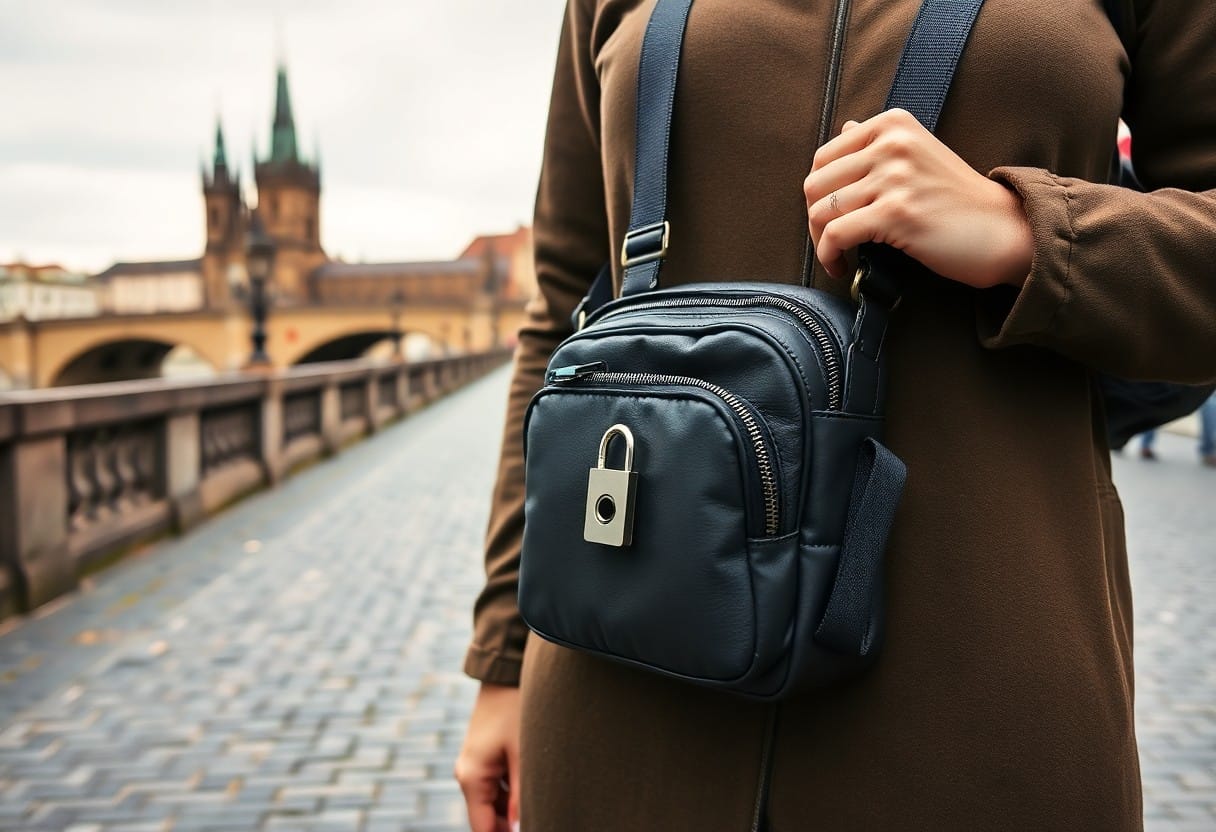
Many solo travelers find Prague lively but you must stay vigilant: keep your belongings close and concealed, use anti-theft bags, and avoid distracted phone use in crowds. Pickpockets target busy trams, attractions, and nightlife areas, so keep passports and cash secure in inner pockets and a money belt. Adopting simple habits dramatically lowers your theft risk. Check community reports like Prague pickpocketing concerns for May travel to stay updated and adjust your route and timing.
Understanding Pickpocketing in Czechia
You should expect pickpocketing to be a practical, often subtle crime in major tourist zones rather than a violent one; teams and lone actors both use simple distraction methods and rapid hands-on techniques. In Prague, hotspots like Old Town Square, Charles Bridge and major transit hubs consistently draw the highest number of incidents, especially on summer weekends when crowds number in the thousands and street performers create natural cover.
When you move through busy areas, pay attention to staged interactions – someone asking for directions, spilling something, or offering to take a photo is commonly used as a setup for theft. Data from police briefings and travel advisories repeatedly point to tram and metro lines, market streets and festival sites as repeat locations where the probability of being targeted rises with density and distraction.
Types of Pickpockets
You’ll encounter several distinct approaches: individuals who wait for an exposed wallet or phone; paired teams where one person distracts and another lifts; and quick snatch-and-run thieves near market stalls. Understanding the behavior helps you spot the setup: for example, a staged argument in a crowd often signals a team operation, while a shoulder tap in a packed tram might be a pocket-fishing attempt.
- Lone opportunist – targets open bags, loose pockets and unattended items.
- Team distraction – uses deliberate diversions (spills, photos, crowds) while an associate works your pockets.
- Snatch-and-run – quickest attack: grabbing phones, handbags or cameras and fleeing.
- Pocket fishing – slim tools or fingers inserted into zipped or unzipped bags from behind.
- False authority – someone posing as a police officer or inspector demanding to check your documents or cash.
| Lone opportunist | Acts when you’re distracted (CAFÉ terraces, outdoor seating) and targets visible valuables. |
| Team distraction | Uses staged scenarios on Charles Bridge or near landmarks to fragment your attention. |
| Snatch-and-run | Common near market stalls and busy streets like Wenceslas Square; quick, violent grab-and-flee. |
| Pocket fishing | Occurs in packed trams and metros (lines A/B/C), often when doors close and space tightens. |
| False authority | Targets tourists near stations and festivals by pretending to check tickets or IDs for alleged violations. |
The tactics change with setting and season, so adjust your vigilance to the method most likely at a given location.
Common Locations for Pickpocketing
You should treat crowded tourist nodes as the highest-risk spots: Old Town, Charles Bridge, Wenceslas Square and the immediate approaches to main train stations such as Praha hlavní nádraží. Public transport and trams-especially lines that feed tourist routes like tram 22-see concentrated incidents because dense boarding and movement create frequent physical contact, which thieves exploit.
You’ll also face elevated risk at outdoor markets, festival grounds and during match days or parades when normal policing is stretched and crowds surge; in those situations keep bags closed and in front of you, split cash/cards, and carry only what you need for the immediate activity.
Essential Tips for Solo Travelers
Carry yourself like a local to reduce attention: in Czechia you’ll be safer if you avoid flashing maps, expensive cameras, or designer bags in crowded spots such as Old Town Square and Charles Bridge, where groups of 2-3 pickpockets often work together to distract tourists. Keep one hand on your bag in busy metros and trams (rush hours ~7-9am and 4-6pm), split cash and cards between pockets, and use a hotel safe for passports and extras – those small routines cut your exposure to common pickpocket tactics during festivals and peak tourist months.
- Wear a slim money belt or hidden neck wallet for passports and emergency cash.
- Use a crossbody bag with zipper and wear it in front in crowded areas.
- Keep your phone in an inner pocket while taking photos; don’t leave bags unattended on café chairs.
- When buying tickets, avoid fumbling with wallets; preload exact change or contactless payments.
The small habits above will reduce your risk significantly.
Dressing Smartly
Choose neutral, unbranded clothing so you blend into crowds and avoid looking like a tourist with a visible guidebook or camera around your neck. Opt for layers that let you conceal a slim money belt or an inner zip pocket; for example, a lightweight zippered jacket can hide a passport and phone, and a scarf can obscure a bag strap without appearing conspicuous.
When you pick a bag, prioritize function: a slash-resistant strap and lockable zippers deter opportunistic thieves, and wearing a crossbody bag across the chest reduces theft attempts by more than half compared with backpacks. In busy outdoor markets and on packed trams, avoid backpacks entirely – they’re a primary target for quick grabs and cut-and-run teams.
Securing Personal Belongings
Use multiple layers of security: keep high-value items like your passport and spare cards in a hotel safe and carry only what you need for the day in an RFID-blocking wallet or hidden pouch. Secure backpacks with a small cable lock or choose anti-theft models with internal compartments and reinforced straps; studies of tourist theft patterns show that visible, unsecured items are stolen far more often than those kept inside locked or hidden compartments.
Make security part of your routine: lock your bag to a chair leg when you must leave it briefly, place it between your feet when seated, and cross-check contents after every transfer (bus to tram, tram to train). During crowded events and on public transport, keep zippers facing your body and be alert for common distraction methods like staged arguments or sudden spills that signal a potential theft team in action.
For extra protection, consider brand-tested products such as slash-proof bags from Pacsafe, a slim neck wallet under your shirt, and small TSA-style locks for luggage; one solo traveler reported that a hidden neck pouch saved their passport during a busy overnight bus when a pickpocket targeted backpacks in the aisle. The combination of gear and consistent habits is what truly secures your belongings.
Step-by-Step Prevention Strategies
| Quick Actions and Rationale | |
| Action | Why it helps |
|---|---|
| Plan routes that use main streets, tram lines and metro stops | Staying on well-lit, monitored corridors reduces time in isolated areas; trams 22 and 23 and metro lines A/B/C cover most tourist links and are easier to navigate than narrow alleys. |
| Travel outside peak tourist crushes | Avoiding midday crowds at Old Town Square, Charles Bridge and Wenceslas Square cuts your exposure – aim for early morning or late afternoon visits. |
| Split valuables and use the hotel safe | Keep your passport and backup cards locked away; carry only 1,000-2,000 CZK and one card when wandering. |
| Wear secure, closed-front storage | Front-zip pockets, money belts or anti-theft bags with locking zippers make grabs harder and slow thieves down. |
| Use offline maps and transport apps | Having a downloaded Prague map and the DPP app prevents you from staring at your phone on the street – lowering the chance of being targeted. |
Planning Your Route
Plot your day around major transit lines and identifiable landmarks so you spend less time navigating on the move; for example, link Prague Castle visits with tram 22 and use metro transfers instead of walking long stretches through narrow lanes at night. If you must cross high-density spots like Charles Bridge at sunset, build in a buffer to pass through quickly rather than linger scanning maps or taking photos.
Check event schedules and local alerts before you leave – summer festivals, marathons and New Year’s Eve consistently increase theft reports because of dense crowds and distraction teams. Download an offline Prague map and the DPP transport app, mark your hotel and the nearest police station, and pre-plan at least two alternate routes so you can avoid sudden bottlenecks or demonstrations.
Staying Aware of Your Surroundings
Keep your phone tucked away while moving through crowds and use one-ear listening if you need directions so your situational awareness remains high; pickpockets often operate in teams of two to three, with one person creating a diversion (a dropped item, spilled drink or fake petition) while another reaches for a pocket or bag. When boarding trams and metro cars, position yourself near the driver’s cab or a cluster of passengers rather than isolated corners, and face the carriage door so you can see who approaches from behind.
Scan for behavioral red flags: repeated bumping, people overly close without a reason, or small groups that split and rejoin near you. In Prague, incidents spike in tight choke points like metro transfers and crowded tram stops – slow crowds and sudden surges are opportunities for snatch-and-run attempts, so adopt a compact stance with your bag against your body and zippers closed inward.
Practice simple habits: keep one hand on your bag in crowds, move maps or guidebooks to a front pocket when stopping, and make brief eye contact with anyone who approaches you offering help or conversation; these small actions increase the time and visibility a thief needs, which often deters them.
Factors Influencing Pickpocket Incidents
- pickpocket
- solo travel
- Czechia
- Prague
- public transport
- tourist hotspots
Density of people, distraction opportunities, and the type of venue all shape where and how pickpockets operate. In Prague you’ll notice the highest concentration of incidents on pedestrian magnets like Charles Bridge, Old Town Square, and along the route of tram lines 22 and 23, where tourists stop to take photos and unfold maps. Peak commuter windows-roughly 07:00-09:00 and 16:00-18:30-create cramped conditions on trams and metros that thieves exploit, while late-night bars and festival evenings produce a different pattern of opportunity when you’re distracted or carrying cash.
Teams of two or three often work together: one creates a diversion while another targets a bag or pocket, and solo opportunists will cut straps or lift phones from unzipped backpacks. Keep in mind which spots draw sustained crowds-Wenceslas Square, Hlavní nádraží (main station), and seasonal markets-and adapt your habits accordingly. Perceiving peak patterns and hotspot behavior lets you choose safer routes and timing.
Timing and Location
During high season (late spring through early autumn) tourist flows can triple on Prague’s main streets, so you’ll find the window for most thefts expands beyond peak commuter hours into afternoons and early evenings when attractions are busiest. Events such as the Prague Spring festival, summer open‑air concerts, and Christmas markets in November-December bring concentrated crowds-you should expect denser foot traffic between 10:00-18:00 on event days. Platforms at Hlavní nádraží and crowded transfers at stations like Můstek or Muzeum are common places where someone can reach into a bag unnoticed.
Public transport specifics matter: trams slow at scenic stops and tourists often stand near doors, creating elbow room thieves exploit, while night buses and trams after 23:00 reduce the number of witnesses. In those situations you’ll want to position yourself near the driver or keep bags closed and in front; even a brief distraction-someone asking for directions or handing over a leaflet-can buy a thief the seconds needed. Highlighting well‑lit, populated transfer points and avoiding isolated stops at night will reduce exposure to these tactics.
Tourist Hotspots vs. Local Areas
In heavily touristed zones you’ll be an obvious target: visible cameras, foreign language maps, and bulky backpacks signal that you’re carrying valuables. Thieves often use staged distractions-spilled coffee, children running between legs, or small arguments-to create a momentary blind spot; teams of two to three are frequently reported in these areas. You should keep phones and passports in zipped, front‑facing pockets and minimize the time you spend consulting maps in the middle of walkways at places like Charles Bridge or Old Town Square.
Local neighborhoods such as Vinohrady or Žižkov tend to present fewer tourist‑targeted scams but not zero risk-incidents there are usually opportunistic and tied to nightlife or crowded trams rather than organized teams. When you move away from the main squares, you’ll generally see lower density of offenders, but late evenings near busy bars or at transport hubs still require standard precautions: keep valuables out of back pockets and be wary of anyone crowding too close.
For additional context, police advisories and tourist information centers repeatedly flag the same patterns: concentrated activity around major squares, mainline stations, and slow‑moving tram stops, while incidents in residential districts often spike during weekend evenings when you’re likely to be returning from bars or concerts. You should treat busy sightseeing routes as higher risk and plan transport or timing to avoid the densest crowds.
Pros and Cons of Common Safety Measures
Pros and cons at a glance
| Anti-theft bag Slash-resistant straps, locking zips and hidden compartments deter opportunistic thieves in crowded spots like Old Town Square. | Can be bulky, slow to access and give you a false sense of security if you stop staying alert in trams and markets. |
| Money belt / neck pouch Kept under clothing, it keeps passports and most cash out of sight and reach. | Uncomfortable for long days; if you’re targeted by a determined thief in a private setting, it’s not always practical. |
| Decoy wallet Lets you hand over a small amount and avoid escalation during a mugging attempt. | Only works in direct confrontations; offers no protection against quick lift-and-run thefts on crowded trams or bridges. |
| RFID-blocking wallet Reduces risk of remote skimming of contactless cards and some passports. | Most modern cards use chip-and-PIN or tokenized contactless; RFID theft is low compared with pickpocketing. |
| Locking zippers / luggage locks Delay and deter opportunistic bag access in hostels, buses and trains. | Determined thieves cut or bypass cheap locks; locks can slow you during legitimate security checks. |
| Slash-proof backpacks Steel-mesh or reinforced fabric prevents blade cuts that thieves use on crowded transport. | Tend to be heavier and more expensive; straps can still be unclipped or stolen if left unattended. |
| Awareness and route planning Avoiding crowded chokepoints and known hotspots at peak times reduces exposure substantially. | Can limit spontaneity; if you appear nervous or distracted while checking maps, you may still draw attention. |
| Travel in groups / guided tours Group presence reduces likelihood of being chosen by pickpockets-tour guides often warn you about local scams. | Group settings can still be targeted during dispersal; you may feel less in control of timing and routes. |
| Trackers and phone tracking Bluetooth trackers and Find My can give last-seen locations and assist police recovery efforts. | Thieves can remove or disable devices; trackers depend on other devices for location updates and have limited range indoors. |
| Use of lockers / hotel safes Removes high-value items from daily carry-ideal for bulky valuables. | Hotel safes vary in quality; public lockers can be tampered with-always use reputable facilities and a secondary barrier. |
Using Anti-Theft Bags
You should pick anti-theft bags that combine visible deterrents with practical access: crossbody designs with locking zippers, concealed compartments and slash-resistant straps slow down thieves and force them to move on. In Prague’s busiest areas-Old Town, Charles Bridge and tram stops-those extra seconds matter: opportunistic pickpockets rely on speed and distraction, so any bag that increases handling time directly reduces your risk.
You also need to balance security and usability. If a bag is so secure that you avoid using it or stash it in an unsafe spot because it’s heavy or awkward, the benefit evaporates. Test pockets and locking mechanisms before you leave; wear the bag front-facing in crowded places, and keep small daily importants in an easily reachable inner pocket while more valuable items stay hidden.
The Role of Technology in Prevention
You can use Bluetooth trackers (AirTag, Tile) and phone location services to locate lost or stolen items-Apple’s Find My and similar networks rely on crowd-sourced connections to update a lost item’s last-seen position, which often gives police a useful lead. In practice, a tracked phone or backpack can show a last-known location on a map within minutes of the theft, and many travellers report recovery when they act fast and involve local police.
You must be aware of limitations: a tracker’s usefulness drops if a thief removes the device, powers off the phone, or leaves dense urban interiors where Bluetooth and GPS signals are weak. Also enable remote-wipe and lock features on your devices, store serial numbers and IMEI values, and keep screenshots of important documents-these steps make recovery and police reporting more effective. For emergencies in Czechia, use 112 for EU-wide assistance or dial 158 to reach the local police directly.
Additionally, use banking apps to freeze or cancel cards immediately-many Czech banks allow instant card block via app-and favor contactless payments and mobile wallets to minimize cash you carry. Two-factor authentication on accounts and a strong phone passcode reduce the chance that a stolen device becomes a gateway to your finances; if a theft occurs, contact your bank and service providers within the first hour for the best chance at limiting damage.
Emergency Action Plan
Move to a safe, visible spot and do a quick inventory of what was taken and what remains; if you’re in a crowd, step into a shop, cafe, or a station kiosk so you’re not isolated. Immediately call 112 for urgent assistance or 158 to reach the Czech police; avoid chasing the thief – you may lose more than you recover and put yourself at physical risk. Use your phone to lock or wipe devices (Find My iPhone / Google Find My Device) and, if possible, use your bank’s app or hotline to block cards right away to stop further transactions.
After securing immediate safety, follow the sequence that insurers and embassies expect: block cards, file a written police report, and contact your embassy or consulate for consular help and emergency travel documents. Get names and contact details for any witnesses, note the exact location and time, and ask police to include possible CCTV locations (metro stations, shops, trams). Many embassies can provide emergency travel documents within 24-48 hours and direct you to trusted local services for temporary cash or transit home.
What to Do If You Are Pickpocketed
First, lock or cancel cards and log out/remote-wipe accounts on your phone; if you can’t access online tools, call your bank’s emergency line and ask them to block and reissue cards immediately. File a police report in person at the nearest station – that report is usually required for bank chargebacks and travel insurance claims – and get a written copy or reference number before you leave the station. Check nearby CCTV sources and request officers to note them in the report; in Prague, officers frequently check metro and tram cameras near incidents.
Next, check lost-and-found channels for public transport and tourist areas: for items lost on Prague trams or metros, contact Dopravní podnik Praha’s lost property office or visit their service center, and for attractions like Charles Bridge or Old Town Square, return to the exact spot and ask local shops about CCTV or witnesses. Keep a timeline of actions (times you blocked cards, filed the report, called your embassy) and take photos of the police report page – insurers and your embassy will ask for precise documentation when arranging reimbursements or emergency travel papers.
Resources and Contacts in Czechia
Emergency numbers: 112 (EU-wide emergency) and 158 (Police of the Czech Republic). For official guidance and to find your nearest station, use the national police website at policie.cz. For items lost on Prague public transport, check Dopravní podnik Praha’s lost property service; for tourist-area queries many city information centers can point you to local police or CCTV operators.
Contact your embassy or consulate as soon as you have the police report; consular assistance typically covers emergency travel documents, lists of local lawyers, and guidance for replacing IDs. Keep digital and printed copies of the police report and any witnesses’ details to speed up bank chargebacks and insurance claims-these are the documents consulates and insurers will request first.
To wrap up
To wrap up, when you travel solo in Czechia, stay alert in crowded areas such as trams, markets and tourist sites; keep valuables in front-facing zipped pockets or a crossbody bag worn high, use a money belt or hidden pouch for passports and emergency cash, and carry only what you need each day.
Keep a low profile by avoiding flashy jewelry and visible maps or cameras, plan routes ahead, use contactless payments to limit cash handling, and if you are targeted stay calm, create distance, report the incident to local police and your embassy, and cancel cards as needed to reduce disruption.
FAQ
Q: What pickpocket tactics should solo travelers watch for in Czechia?
A: Common tactics include distraction techniques (someone bumps you, spills something, asks for directions or signatures), teamwork (one person distracts while another takes items), and staged commotions near tourist sites and public transport. Targets are often on crowded trams, metro cars, Charles Bridge, Old Town Square, major markets and train stations (Hlavní nádraží, Florenc). People operating in pairs or groups will look for distracted visitors using phones or carrying visible valuables; be alert for anyone invading your personal space or attempting to direct your attention away from your bag or pockets.
Q: How can I secure my belongings while using public transport and visiting tourist spots?
A: Use a crossbody bag with a zip and cut-resistant strap, and wear it in front in busy areas; keep zippers against your body. Keep wallets and phones in front pockets or an internal zipped pocket; avoid back pockets. Divide cash and cards between a small money belt or hidden pouch and a secured bag, and leave your passport in the hotel safe unless needed. When using ATMs, choose indoor bank machines, shield the keypad, and carry only needed cash. Stay aware in crowds-avoid heavy phone use while walking, refuse unsolicited help, and keep one hand on your bag when seated in cafes or on public transport.
Q: What should I do immediately if I’m pickpocketed and how do I limit the damage?
A: Move to a safe place, alert nearby staff or police and report the theft-get an official police report (use 158 for police or 112 for emergencies) for insurance and card replacement. Call your bank to block cards and report stolen phones to your carrier; use Find My iPhone/Find My Device to locate or remotely wipe a phone. Contact your embassy or consulate for lost passport assistance and keep copies of important documents stored separately or digitally. Finally, change online passwords for any accounts that were accessible and arrange emergency funds through your bank or embassy if needed.

Hello, I am Jan, a travel writer based in the Czech Republic. I specialize in discovering and writing about my homeland—medieval towns, mountain hikes, the local pub scene, and off-the-tourist-radar destinations.
I also write about life as an expat in Czechia—just what it is like to live here, and not just visit. That means the little victories, the cultural surprises, and the daily realities of establishing life in this side of the world. If you’re considering visiting or making the move, I hope to give you an authentic, realistic sense of what life in Czechia is all about.