
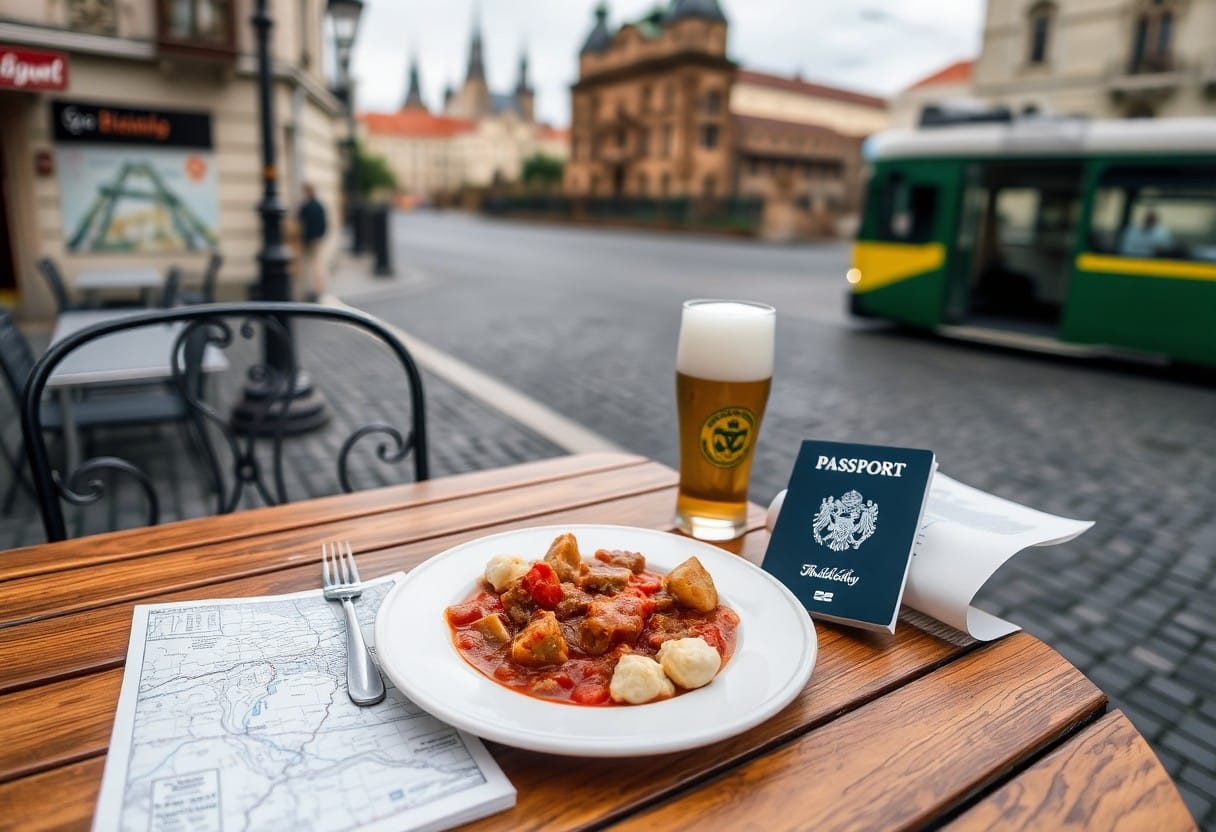
This guide helps you navigate Czech dining as a solo traveler: seek hearty regional dishes like svíčková and goulash and embrace the beer culture, favor small, family-run pubs for authentic meals, and learn basic Czech phrases. Watch for menu misunderstandings that can trigger allergies and avoid tourist traps with inflated prices and occasional pickpocketing. You’ll find food is affordable, sociable, and richly rewarding when you plan ahead.
Types of Dining Experiences
| Traditional Czech Cuisine | Hearty, meat‑forward plates like svíčková, guláš and vepřo knedlo zelo, often paired with local beer; expect generous portions and typical mains for around 150-300 CZK. |
| Beer Halls & Pivnice | Communal seating, draft pivo served in half‑liters, and simple pub fare; ideal for solo diners who want to strike up conversation with locals while keeping costs low. |
| Fine Dining & Modern Czech | Contemporary tasting menus and Michelin‑level restaurants concentrated in Prague and Brno; menus run from 800 CZK per person upwards, reservation recommended for evenings. |
| International Cuisine | Vibrant scenes for sushi, Vietnamese pho, Middle Eastern mezze and Indian curries, with neighborhoods like Vinohrady and Žižkov offering dozens of options and many restaurants open late. |
| Street Food Adventures | Markets and stalls selling trdelník, grilled klobása, and langos; quick eats typically cost 40-120 CZK and are perfect for sightseeing days. |
Traditional Czech Cuisine
You should prioritize small, family‑run hospody when you want the most authentic versions of svíčková and guláš; casual places like Lokál focus on fresh ingredients and local beer on tap, with mains commonly priced between 150-300 CZK. Many dishes are heavy on gravy and dumplings, so plan for a filling meal and consider sharing a starter if you want to keep portions lighter.
When you order, expect service that ranges from brisk to friendly and adopt the local tipping norm of about 5-10% for table service; busy lunch hours around 12:00-14:00 are when you’ll find the most traditional plates on rotation. Use the following quick checklist to choose dishes:
- svíčková – marinated beef with cream sauce and dumplings
- guláš – paprika‑spiced beef stew, often with bread dumplings
- vepřo knedlo zelo – roast pork with dumplings and sauerkraut
International Cuisine
In larger cities you’ll find dozens of international options; for example, Prague has entire streets of Vietnamese restaurants and over 50 sushi spots, while Brno’s gastronomy scene leans toward modern European and fusion concepts. Prices vary widely: casual international meals commonly fall in the 120-300 CZK range, while upscale international tasting menus start around 700-1,200 CZK.
If you want to try ethnic neighborhoods, head to Vinohrady for Middle Eastern and Thai, or Žižkov for late‑night options and cheap kebabs; when you’re dining solo, counter seating and chef’s‑table concepts make it easy to eat comfortably without a companion.
For crowdsourced suggestions and to see real‑time tips from other travelers and expats, check discussion threads like Hello all🙂 I am new to this group and was wondering if … which often list current favorites and price expectations.
Street Food Adventures
You’ll encounter street vendors at markets such as Havelská and Náplavka, where quick bites like trdelník (sweet pastry), grilled klobása, and langos (fried dough with toppings) are available between 40-120 CZK. Ordering is straightforward: most stalls accept cash only, so carry small bills and coins, and avoid late‑night unlit stalls if you prefer well‑lit, busy locations for safety.
Festival weekends and Christmas markets dramatically expand options: you can sample regional cheeses, smoked meats, and craft beers from rotating vendors, and peak times are typically evenings and weekends when queues form quickly. This makes street food ideal for efficient tasting while you move between sights.
For planning, map markets by day (many operate only on weekends) and factor in opening hours; This helps you time visits to avoid long lines and sample the best vendors at their busiest moments.
Tips for Solo Dining
Seek out busy, local places – a full dining room usually signals authentic food and fair prices. When you scan menus online or outside, prioritize spots where servers are constantly moving and locals are dining; in Prague’s Old Town you can pay 20-40% more than in neighborhoods like Vinohrady or Žižkov for the same dish. Carry a little cash (many pubs accept cards but small taverns do not), learn a few phrases like Prosím and Děkuji, and consider sitting at the bar to watch service flow and start casual conversations.
- solo travel: book a table for dinner on weekends, especially between 18:00-20:00 when places fill up.
- solo dining: choose communal tables or bar seating to avoid dining alone at a corner table.
- Czech Republic: tip about 10% for good service; rounding up is common in smaller venues.
- Keep an eye on your drink and bag in tourist-heavy areas; pickpocketing is most common on crowded trams and near major sights.
Smaller tips make a big difference: try a 2-3 hour food tour (€25-40) for an easy way to meet people and learn local dishes like svíčková or goulash, and note that Czechs drink a lot of beer (around 140 liters per person per year historically), so ordering a half-litre at the bar is perfectly normal.
Choosing the Right Restaurant
Scan menus online for prices and photos before you walk in – menus with heavy English translations, celebrity stickers or picture boards often indicate tourist traps, while handwritten specials on a chalkboard usually point to fresher, seasonal cooking. Expect a midrange main course to cost roughly 200-350 CZK outside prime tourist zones and 350-600 CZK in central Prague; if the bill is far below or above these bands, check recent reviews.
Reserve ahead if you want a window seat or a table at peak times, and when you call or message, ask for “stůl pro jednoho” if you prefer a single seat – many restaurants will gladly place you at the bar or a small table. If you’re choosing between a quiet bistro and a bustling hospoda, the hospoda (pub) often gives better chances to chat with locals and sample everyday dishes at lower cost.
Engaging with Locals
Sit where staff congregate – bar stools and communal tables put you within earshot for short, friendly exchanges. Ask the bartender for the house beer or a local recommendation; in many Czech pubs the staff will suggest a regional brew and a snack (utopenci, pickled sausage) for under 100 CZK, which opens natural conversation.
Use simple Czech phrases and the universal toast “Na zdraví” when clinking glasses: even a brief attempt at the language softens interactions and often earns you longer, helpful recommendations about where locals go after closing time. Food markets like Naplavka on Saturdays attract both residents and expats, making them ideal for low-pressure mingling and trying small plates from different vendors.
Join a small-group cooking class or a specialty tasting (cheese, beer, dumplings) – classes typically run 2-3 hours and cost €30-60, and guides frequently introduce you to locals or other solo travelers, turning a meal into a mini social network.
Dining Etiquette
Place your knife and fork parallel on the plate (handles to the right) to signal you’ve finished; when passing salt and pepper present both together even if only one is requested. Most servers expect you to tip around 10% for good service or simply round up smaller bills – handing cash directly to the server is still the most common method.
Wait for a host or for the bill if you’re unsure how to leave; many places will bring the check when you make eye contact or subtly gesture. If you want separate checks, ask “můžeme platit zvlášť?” – staff are accustomed to splitting bills but may prefer one payment at smaller venues.
Avoid leaving valuables on the back of chairs or on the table; in crowded tourist areas pickpockets focus on unattended bags and phones, and if you accept a friendly invitation from a stranger, keep personal items close. Knowing how to read the room and use a few Czech words will make dining solo in the Czech Republic easier and safer.
Step-by-Step Guide to Solo Dining
| Step | Details & Examples |
|---|---|
| Planning Your Meals | Use the lunchtime “polední menu” (typically 11:00-14:00) for a soup + main at ~100-160 CZK; reserve evening tables in Prague tourist districts and for weekend dinners. |
| Navigating the Menu | Scan for sections like “polévky” (soups), “hlavní jídla” (mains), and local dishes such as svíčková, guláš, and smažený sýr; ask about ingredients when allergen info is missing. |
| Ordering | At sit-down restaurants, attract the server’s attention with eye contact or a polite “prosím”; counter-service spots require you to order and pay up front. |
| Paying & Tipping | Ask for the bill with “účet, prosím”; most urban places accept cards but carry cash in smaller towns-typical tip is around 10% or simply round up. |
Planning Your Meals
When you map out a day, slot one meal around the local lunch hour to save money: the “polední menu” (11:00-14:00) frequently gives you a starter or soup plus a main for about 100-160 CZK, which is far cheaper than dinner. If you want to try regional specialties, plan an evening at a well-reviewed tavern for dishes like svíčková or roast pork with dumplings-mid-range mains typically cost between 180-300 CZK in cities.
If budget and timing matter, note that cafés and bakeries often open earlier and close by 18:00 in smaller towns while restaurants commonly run until 22:00-23:00 in Prague. Carry small-denomination cash (20-200 CZK) for street food, market stalls, and places that are card-unfriendly, and always state any food allergies clearly-use the phrase “Jsem alergický/á na…” or show it written down to avoid problems.
Navigating the Menu
Start by identifying section headers: “předkrm” (starter), “polévka” (soup), “hlavní jídla” (mains), “dezert” (dessert). Many Czech menus list heavy, meat-based mains-guláš (goulash), řízek (schnitzel), and knedlíky (dumplings)-so if you prefer lighter or vegetarian options, scan for “vegetariánské” or ask the server for recommendations. The fixed-price “polední menu” often shows the price and included courses directly on the menu, making it the fastest way to order alone.
Ask about preparation when ingredients aren’t obvious: for example, “smažený sýr” is fried cheese served with fries-high in gluten and dairy-and “vepřové” means pork. Use the menu structure to pace yourself: order a soup and a main if you want a fuller meal, or pick one main and a small salad if you prefer less food. Highlight any allergens upfront; if you have a severe allergy, point it out in Czech or show it written.
For direct menu decoding, remember basic translations: “kuře” = chicken, “hovězí” = beef, “ryba” = fish, and “bez lepku” denotes gluten-free options; if the menu lacks detail, ask “Je to s ořechy/vejci/lepku?” to confirm presence of nuts, eggs, or gluten.
Ordering and Paying
When you’re ready to order, catch the server’s eye and say your order clearly-many restaurants appreciate a short Czech phrase like “Mohu si objednat?” followed by the dish name. In casual cafés or bistros you often order and pay at the counter; in table-service restaurants, ask for the bill with “účet, prosím” and servers will bring it. If you need to modify a dish for allergies or vegetarian preferences, state “Jsem vegetarián/vegetariánka” or “Jsem alergický/á na…” and confirm how it will be prepared.
Expect card acceptance in cities, but small towns and market stalls may be cash-only; check by asking “Platíte kartou?” before you order. Tipping is typically around 10% in restaurants or simply rounding up in bars-if you hand cash to the server, say the total you want them to keep (for example, hand 500 CZK and say “450, prosím”) so there’s no confusion.
If you prefer digital confirmation, many places will email a receipt, but you can also request a printed “účtenka” when paying; when splitting the bill, ask “Můžeme platit zvlášť?” though as a solo traveler this rarely applies, so keeping the payment simple speeds things up.
Factors to Consider
When you pick a place to eat, balance safety, comfort, budget, and location rather than hunting only for the fanciest menu. Practical details-opening hours, payment methods, and how crowded a spot is-affect solo dining as much as the food: lunchtime polední menu typically costs 120-200 CZK and is a straightforward way to eat cheaply and among locals. Use the list below to scan options quickly before committing.
- Safety and Comfort – lighting, seat placement, and crowd size
- Budget – typical prices, tipping (~10%), and cash vs card
- Location and Accessibility – proximity to transit, step-free access, and opening hours
Safety and Comfort
You’ll find Prague and other Czech cities generally safe, with low violent crime rates compared with many European capitals, but pickpocketing is common in crowded tourist spots such as Wenceslas Square and on packed trams-keep your bag zipped and in front of you. If you want real-world context from another solo traveller, check this trip report: Eight Days in Prague in October: a Solo Traveller’s Trip Report. For immediate help the EU emergency number is 112 and local police are 158; having those saved to your phone gives you breathing room when something feels off.
For comfort, prioritize venues where you can sit at a bar or at a table against the wall so your back is covered and you can see the entrance; that’s both safer and more relaxing when you’re dining alone. Choose busy, well-lit restaurants-they’re not only more likely to serve authentic food but also provide a positive social atmosphere if you want to chat with staff or other diners.
Budget Considerations
Expect to pay roughly 250-450 CZK for a main-course dinner at a mid-range restaurant in Prague; beer is often 30-60 CZK and a polední menu lunch can be 120-200 CZK. Tipping around 10% is standard in sit-down restaurants; some places add a service charge, so check the bill. Many cafés and smaller eateries are card-friendly, but carry cash (100-300 CZK) for markets and rural spots where cards may not work.
Ordering strategy matters when you’re alone: swap a shared starter for a side to avoid oversized portions, or pick a single-course menu to keep costs down-splitting a main is rarely practical when solo. If you want budget variety, try municipal markets (Havelské tržiště, Naplavka farmers’ market) where meals often run 100-150 CZK and let you sample multiple vendors without a big spend.
For extra savings, buy a few groceries at a supermarket (basic sandwich or ready meal 50-100 CZK) or stick to lunchtime specials-restaurants often cut prices by up to 40% during the polední menu window, and avoiding tourist-heavy streets can halve the price compared with Old Town Square cafés.
Location and Accessibility
Choose restaurants within a 5-10 minute walk of a tram or metro stop to limit late-night transit; in Prague trams and the metro cover the main dining neighborhoods and night services run on major lines, but many small towns have sparse evening options. Be aware that many historic buildings have steps and tight doorways-if you need step-free access, call ahead or look for “bezbariérový vstup” noted on menus or websites.
Timing affects availability: most places serve lunch 11:00-15:00 and reopen for dinner around 17:00-22:00; in smaller towns kitchens can close for the afternoon, so plan accordingly. If you rely on specific amenities-outdoor seating, power outlets, or quiet corners for laptop work-check reviews and photos; streets around major squares often lack quiet, while side streets usually offer calmer options.
Knowing these factors will help you align your solo travel choices with the realities of dining in the Czech Republic-from safety and comfort to strict opening hours and how much your budget will stretch.
Pros and Cons of Solo Dining
Pros and Cons at a glance
| Pros | Cons |
|---|---|
| Complete flexibility to choose where and when you eat (no waiting for others) | Can feel lonely during long dinners or in quieter towns |
| Easy to try regional specials – you can order one dish without sharing | Per-person cost is higher because you can’t split large dishes or bottles |
| You can take a table at the bar or a window seat for people-watching | Some servers rush solo diners during busy service |
| Lunch “denní menu” often gives great value – typically 120-180 CZK | In touristy Prague areas main-course prices rise to 250-450 CZK |
| Good chance to practice Czech phrases with staff; builds confidence | English is less common outside cities, so ordering can be slower or awkward |
| You control pacing – linger over coffee or move quickly between spots | Social norms in smaller towns may make solo dining feel conspicuous |
| Bars and beer halls welcome solo drinkers – Czech lagers often cost 40-70 CZK | Busy tourist zones can attract hustlers and pickpockets |
| Freedom to photograph your meal or research dishes on the spot | Group specials and family-style portions are harder to access alone |
Advantages of Solo Dining
You can follow your appetite minute by minute: order svíčková, a bowl of guláš, or a single pierogi without negotiating with a companion. Many local pubs offer a lunchtime denní menu priced around 120-180 CZK, which means you eat affordably and efficiently when you’re on a walking schedule between sights. In cities like Prague and Brno, counters and bar seating are set up specifically for one – you’ll often find faster service and the chance to chat with bartenders about local beer recommendations.
Solo dining also speeds experimentation. You can stop for a 2-course meal at a market stall, try an open-faced chlebíček with coffee at a café, then move on to a different neighborhood for dessert – no logistics required. Additionally, you get better value from time: lingering over a meal lets you study menus, translate ingredients with an app, and learn Czech words like “prosím” and “děkuji,” which tends to improve interactions in smaller restaurants where English is limited.
Challenges Faced
Dining alone can sometimes feel socially awkward, especially outside major cities where communal meals are the norm. You may notice stares in quieter villages, and servers in smaller establishments might assume you want a quick turnover rather than a relaxed meal. Pricing is another practical downside: many traditional dishes are portioned for two and ordering solo means you pay for a full plate – main courses in local pubs commonly run 150-300 CZK, whereas tourist-heavy restaurants push higher.
Language gaps can slow orders and increase the chance of misunderstandings about ingredients or allergens. While Prague staff often speak English, regional restaurants may not, so miscommunications about spice levels or portion size happen more frequently. Safety-wise, busy tourist spots like the Old Town area attract pickpockets; you should stay vigilant with bags and wallets when dining at outdoor terraces.
To mitigate these issues, pick venues with bar seating or counter service in larger towns, use menu photos and translation apps when ordering, and prefer daytime denní menu slots for better prices and friendlier, quicker service. Keep critical items secured and avoid leaving belongings visible when you step away from a table – in Prague and other hotspots, pickpocketing is a known risk in crowded areas.
Recommended Dining Spots
When you map out evenings, mix busy taverns with a couple of contemporary tasting rooms to sample the full range of Czech food culture. For reliable, affordable midday options look for restaurants advertising a denní menu (lunch menu) priced around 120-180 CZK, and if you want a splurge expect multi-course tasting menus at top Prague places to run roughly 1,000-1,500 CZK. You should also keep a small amount of cash on hand: many neighborhood pubs and market stalls still prefer cash payments even though cards are widely accepted in city restaurants.
Plan your nights around opening patterns: most sit-down dinners begin between 18:00-20:00, while bars and wine rooms stay open later. If you want a stress-free solo meal, prioritize venues with counter seating or communal tables – they make it easy to eat alone without drawing attention and often offer quicker service for walk-ins.
Must-Try Restaurants
Lokál (several Prague locations, notably Dlouhááá) is the go-to for classic Czech dishes like svíčková and roast pork with dumplings; mains typically cost 140-300 CZK and the long communal tables are ideal for solo diners. Eska in Karlín serves modern Czech cooking with an open kitchen and in-house sourdough – expect mains around 220-380 CZK and bar seating that makes it easy to watch the chefs while you eat. For a high-end option, Field (one Michelin star) offers a vegetable-driven tasting menu and is worth the extra spend if you plan a special evening; reserve weeks in advance for limited seats.
Sansho provides inventive Asian-influenced small plates and is great when you want to share flavors without committing to a big dinner; price per plate often falls in the 250-450 CZK range. When you book, ask specifically for bar or counter seating if available – many of these kitchens hold a few seats for solo guests and those spots are often released only at booking time.
Hidden Gems
Seek out smaller neighborhood places where locals actually dine: Veltlin (Prague 2) is a natural-wine-focused wine bar with small-plate pairings and knowledgeable staff who’ll steer you toward regional Moravian producers; glasses typically cost 60-120 CZK. Kantýna operates like a butcher-to-table canteen with standing or short-seat options and straightforward, high-quality meat dishes – it’s fast, flavorful, and perfect when you want something hearty without fuss. In Brno, Stopkova Plzeňská Pivnice delivers that old-school pub atmosphere with authentic Pilsner on tap and mains under 200 CZK.
These spots often have limited seating and irregular hours, so check opening times before you go and be ready for early dinners or late-night bar service; many hidden gems open for lunch, close mid-afternoon, then reopen after 17:00. Learn a couple of phrases such as “stůl pro jednoho” (table for one) and arrive 10-15 minutes early during peak evenings to increase your chances of snagging a seat.
Conclusion
Upon reflecting on solo travel dining experiences in the Czech Republic, you see how the country’s culinary scene lets you balance hearty traditional dishes with contemporary flavors, giving you freedom to choose between bustling beer halls, market stalls, cozy cafés, and fine-dining venues. You can use solo dining as an opportunity to practice ordering, sample regional specialties like svíčková and dumplings, and engage with staff or fellow diners at communal tables, turning meals into cultural exchanges rather than mere refueling stops.
You can maximize those experiences by planning around opening hours, using reservation apps for high-demand restaurants, and keeping a few Czech phrases or a translation app handy to ease communication. By attending to basic etiquette, payment norms, and your own comfort level, you’ll make each meal a confident, rewarding part of your journey through the country.
FAQ
Q: How do I order, pay and tip when dining alone in the Czech Republic?
A: Ordering is straightforward – catch the server’s eye or wait to be seated in smaller restaurants, and use “prosím” (please) when asking. Menus often include English in tourist areas; if not, point to items or use a translation app. To ask for the bill say “Účet, prosím.”
Cash (koruna, Kč) is still widely used, but most mid- to higher-end places accept cards; always carry some cash for small cafes, markets or rural pubs. Tipping is polite but not mandatory: round up or leave about 5-10% for good service, and hand cash directly to the server if possible. If you pay by card and want to add a tip, specify the total amount or tell the server the tip in cash.
Q: What types of solo-friendly dining venues and times should I look for?
A: Solo travelers thrive in cafés, bakery counters, pub bars (hospoda), food halls, farmers’ markets and casual jídelna (self-service canteens) where counter service and communal seating reduce social pressure. Beer gardens and outdoor seating are relaxing for an unhurried meal. Peak lunch is roughly 11:30-14:00 and dinner from 18:00-21:00; arriving slightly earlier or later avoids crowds. Sit at the bar or a window table if you prefer to be less conspicuous, or embrace communal tables to meet locals. Tourist-heavy Old Town restaurants can be noisy and overpriced; explore side streets for authentic, quieter spots.
Q: What traditional dishes and practical tips should a solo diner try to get the most out of Czech cuisine?
A: Try classics in single portions: svíčková (marinated beef with dumplings), goulash with houskové knedlíky (bread dumplings), smažený sýr (fried cheese) or roasted pork with sauerkraut. Portions can be generous – ask if you want a smaller portion (“menší porce”). For beer culture, ordering a half-liter (“půl”) is common; many restaurants pour draft beer by the glass. Vegetarians and vegans will find growing options; communicate dietary needs with phrases like “Jsem vegetarián(ka), je to možné bez masa?” for modifications. Festivals, street markets and dessert cafés are great for sampling multiple small items without committing to a large plate. Carry allergy information in Czech if you have severe allergies, and check opening hours as many places close between lunch and dinner or on Sundays outside tourist centers.

I’m Jan, a Czech writer, hiker and travel guide born in Bohemia and based in Prague. I’ve been writing about my home country for 9 years, and I know it the way you only do when you’ve grown up here: the trail signs that locals actually follow, the pubs that aren’t in any guidebook, the castles that get overlooked because they’re not on a tour bus route.
Over 9 years I’ve covered every corner of the Czech Republic, from the Krkonoše ridges and Šumava forests to the wine cellars of South Moravia and the spa towns of West Bohemia. I’ve taken 40+ solo trips across Czechia, Slovakia, Poland, Hungary and Austria and I write in Czech and English, which means I can read the local hiking forums, regional news and municipal information that never gets translated.
My writing covers three areas: practical solo travel in Czechia (getting around by train and bus, hiking safely, visiting castles and landmarks without the crowds), expat and long-term living (the cultural surprises, the bureaucracy, what it actually costs, how the healthcare and transport systems work), and off-the-radar Czech Republic, the places most visitors never reach because they spend all their time in Prague.
Prague is extraordinary, but it’s maybe 10% of what this country has to offer. The rest is what I’m here to write about.