
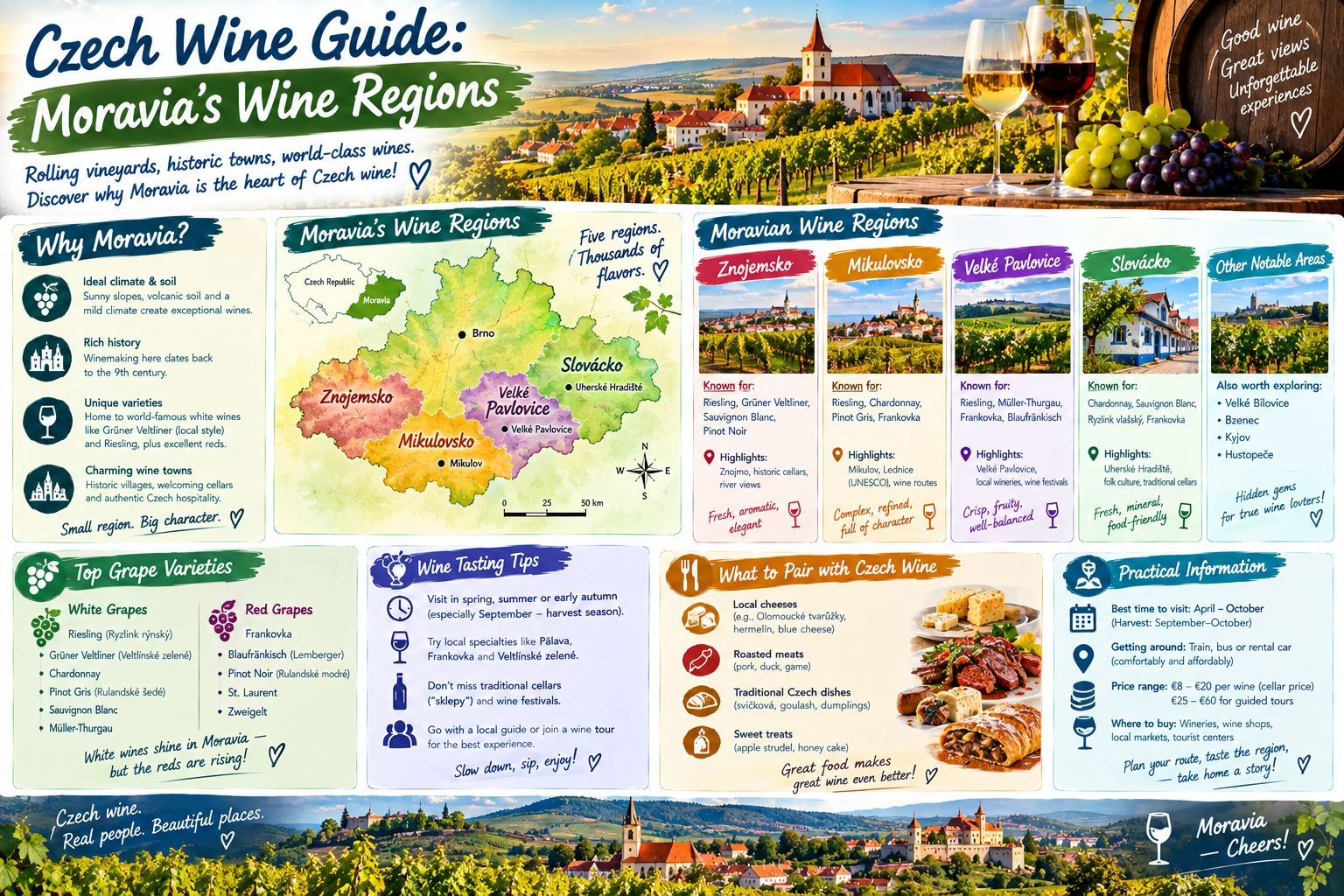
Czech beer dominates the Czech Republic’s international drinks identity so completely that most visitors are surprised to discover that the country produces wines of genuine quality. Czech wine comes primarily from Moravia, the eastern region of the Czech Republic bordering Austria and Slovakia; the Moravian wine regions, particularly the Znojmo and Mikulov subregions, produce whites (Riesling, Grüner Veltliner, Welschriesling, Müller-Thurgau) and increasingly interesting reds (Pinot Noir, Saint Laurent) in a style that is closer to Austria’s Niederösterreich than to any other reference point.
Czech Wine Production: The Basics
The Czech Republic produces approximately 1 million hectolitres of wine per year, primarily in Moravia (approximately 96 percent of Czech production). The remaining 4 percent comes from Bohemia, primarily from the Mělník and Litoměřice areas north of Prague on the confluence of the Elbe and Vltava rivers.
Czech wine is largely consumed domestically; export volumes are small. Most Czech wine that visitors encounter is genuinely Czech rather than the “Czechoslovak” blended wines of the communist period; the quality revolution in Czech winemaking began in the 1990s and has continued through the 2000s and 2010s.
The Main Moravian Wine Regions
Mikulov: The most southerly Moravian wine region, on the border with Austria’s Weinviertel. The calcareous soils produce Welschriesling, Riesling, and the aromatic varietals (Muscat, Irsay Oliver). The town of Mikulov itself is an extraordinarily beautiful Baroque market town worth visiting for its architecture as much as its wine.
Znojmo: The most historically significant Moravian wine region; Grüner Veltliner and Riesling are the primary varietals. The Znojmo wine festival in September is the largest wine event in the Czech Republic.
Slovácka: The eastern Moravian wine region bordering Slovakia; warmer climate producing fuller-bodied wines including Saint Laurent and Blaufrankisch.
Velké Pavlovice: Sometimes called “Tuscany on the Dyje”; rolling vineyards south of Brno producing a range of whites and the increasingly interesting Czech Pinot Noir.
Czech Wine in Prague Restaurants and Shops
Czech wine is available in most Prague restaurants but is not prominently featured; the wine lists prioritise French and Italian imports at the mid-range and upmarket restaurants. The best access to Czech wine in Prague:
Wine bars (vinárny): Prague has a growing number of dedicated wine bars serving Czech and Central European wines. Vinohradská vinárna in Vinohrady and various Žižkov wine bars are the most accessible.
Supermarkets: The major Czech supermarkets (particularly Albert and Billa) stock a reasonable selection of Moravian wines at very competitive prices. A good Moravian Riesling costs CZK 90 to 180 at a supermarket.
Wine shops: The Vinotéka u sv. Jakuba near the Old Town has a comprehensive Czech wine selection.
Visiting the Wine Regions
Mikulov is 2.5 hours by train from Prague (via Brno); the town itself has several excellent wine bars and the surrounding vineyards are accessible by bicycle. The Autumn Wine Trails (Vinobraní) cycling and walking routes through the vineyards are a specific attraction in September and October.
Booking a Cellar Tasting
Independent visitors can walk into many Mikulov and Znojmo-area wine cellars without a reservation, particularly on weekend afternoons, but the better and more personal tastings, where the winemaker or a family member pours and talks through the wines, generally need a call or an email a day or two ahead. Village tourist information offices in Mikulov keep lists of cellars currently open to visitors, which is the easiest way to plan a route on the day rather than relying on a fixed itinerary booked from Prague.
Related: Beer and Food Hub | Day Trips: Brno | Expat and Nomad Hub | Czech Beer Guide