
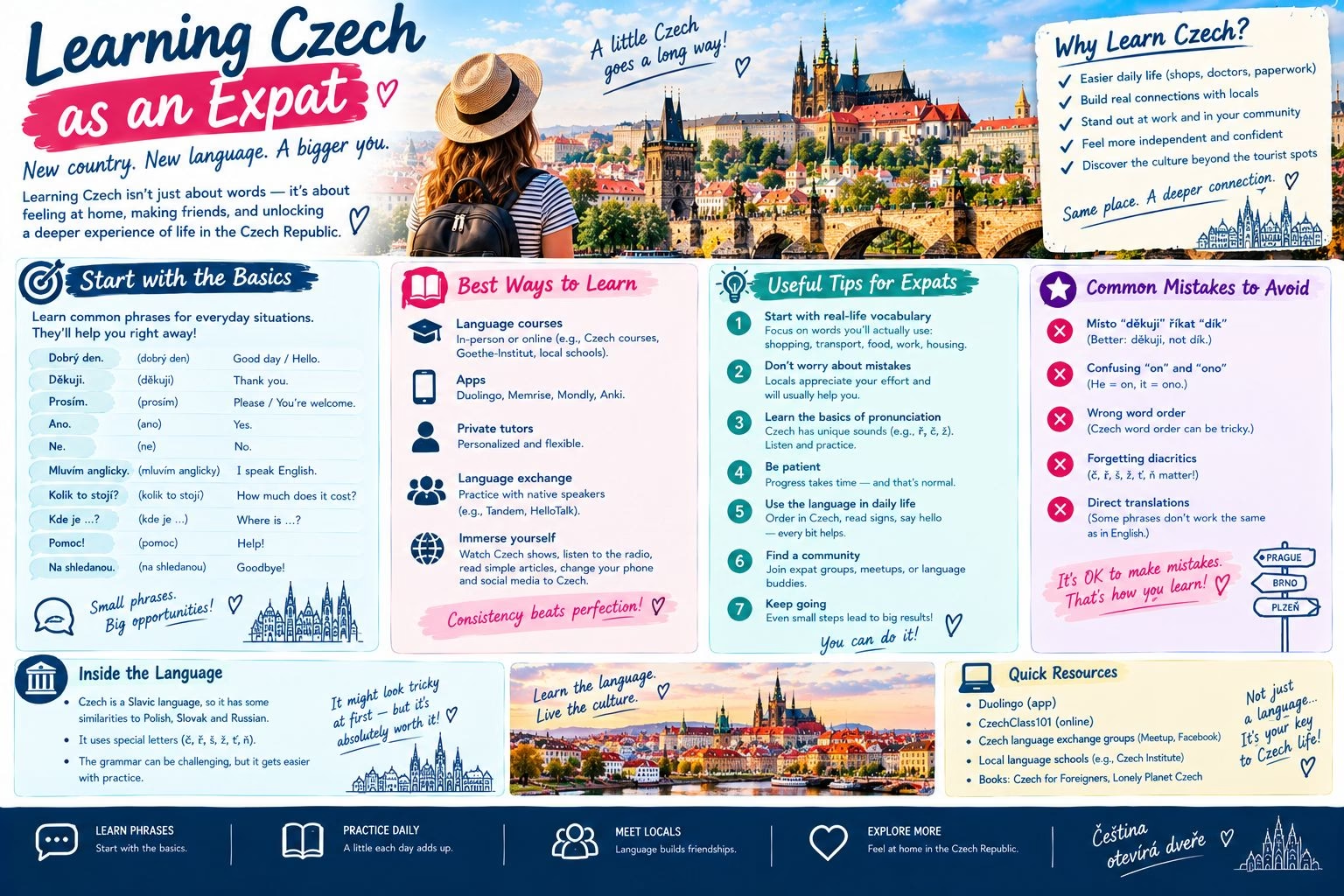
Czech is genuinely one of the harder European languages to learn, seven grammatical cases, consonant clusters that don’t exist in English, and a handful of sounds (ř above all) that take real practice to produce. None of that means it’s not worth learning; it means setting realistic expectations about the timeline and picking the right approach from the start.
Why Bother, Given How Good English Coverage Is in Prague
English gets you through daily life in Prague comfortably. What it doesn’t get you is the social integration that turns an expat stay into an actual life here: the neighbourhood hospoda where the conversation is in Czech, the bureaucratic offices where a Czech-speaking clerk moves faster for you, and the specific Czech warmth that opens up once people see you’re genuinely trying. Czech people are markedly more forthcoming with visitors who’ve made an effort, even a modest one, than with those who haven’t.
Realistic Expectations
Conversational fluency generally takes a serious learner 18 months to 3 years of consistent study and practice, longer than most Romance or Germanic languages for an English speaker. Functional survival Czech, enough for shopping, basic bureaucracy, and simple social exchanges, is achievable in 3 to 6 months of regular effort. Set your goal at functional first; fluency, if it comes, comes later and mostly through use rather than study.
What Makes Czech Specifically Difficult
Beyond the seven cases (which change noun, adjective, and pronoun endings depending on grammatical role, a system English dropped centuries ago), Czech has a handful of specific hurdles: aspect pairs in verbs (most Czech verbs come in a completed and an ongoing form, and choosing the right one is a genuine skill), a flexible word order that native speakers use for emphasis in ways textbooks rarely explain well, and consonant clusters like “zmrzlina” (ice cream) that are simply a matter of practice. The reward is that Czech grammar, once the case system clicks, is highly regular and rule-based compared with the exception-heavy grammar of English; many learners find intermediate Czech more logical than intermediate English.
Structured Study Options
Charles University and several private language schools in Prague run intensive and part-time Czech courses specifically for foreigners, ranging from survival-level to academic Czech. Group classes are considerably cheaper than private tutoring and provide the social structure many learners need to stay consistent. iTalki and Preply both have Czech tutors available for online one-on-one lessons if in-person classes don’t fit your schedule.
Apps and Self-Study
Duolingo’s Czech course is a reasonable starting point for basic vocabulary and grammar patterns, though it won’t get you to conversational ability alone. Czech-specific apps and podcasts aimed at learners are more limited than for major world languages; supplementing app study with a tutor or conversation partner matters more here than for, say, Spanish or French. Anki-style flashcard decks built specifically around Czech case endings are popular among serious learners for exactly the reason grammar apps alone tend to fall short here.
The Fastest Real-World Progress
Language exchange meetups (frequently held in Vinohrady and Žižkov cafés and pubs), a Czech partner or close friend group, and simply defaulting to Czech in shops and pubs rather than switching to English at the first stumble, all accelerate progress faster than classroom study alone. The Czech pub, covered in the pub culture guide, is a genuinely good informal practice environment, since table-sharing with strangers is normal and conversation is part of the culture.
Common Mistakes Learners Make
Over-relying on Duolingo or a single app without ever practising spoken conversation is the most common trap, it builds recognition but not the confidence to actually speak. Another is avoiding mistakes so carefully that you never speak at all; Czechs are generally patient with learners and appreciate the attempt far more than perfect grammar. Finally, many learners underestimate how much regional accent and informal spoken Czech differs from the textbook version, which is exactly why real conversation practice matters more than additional textbook study once you’re past the basics.
The Practical Minimum
Even without committing to serious study, learning greetings, numbers, and a handful of survival phrases (covered in the Czech language basics guide) makes daily life and shopping noticeably smoother and is worth doing in your first week regardless of longer-term plans.
Related: Czech Language Basics | Living in Prague | Czech Culture and Etiquette