
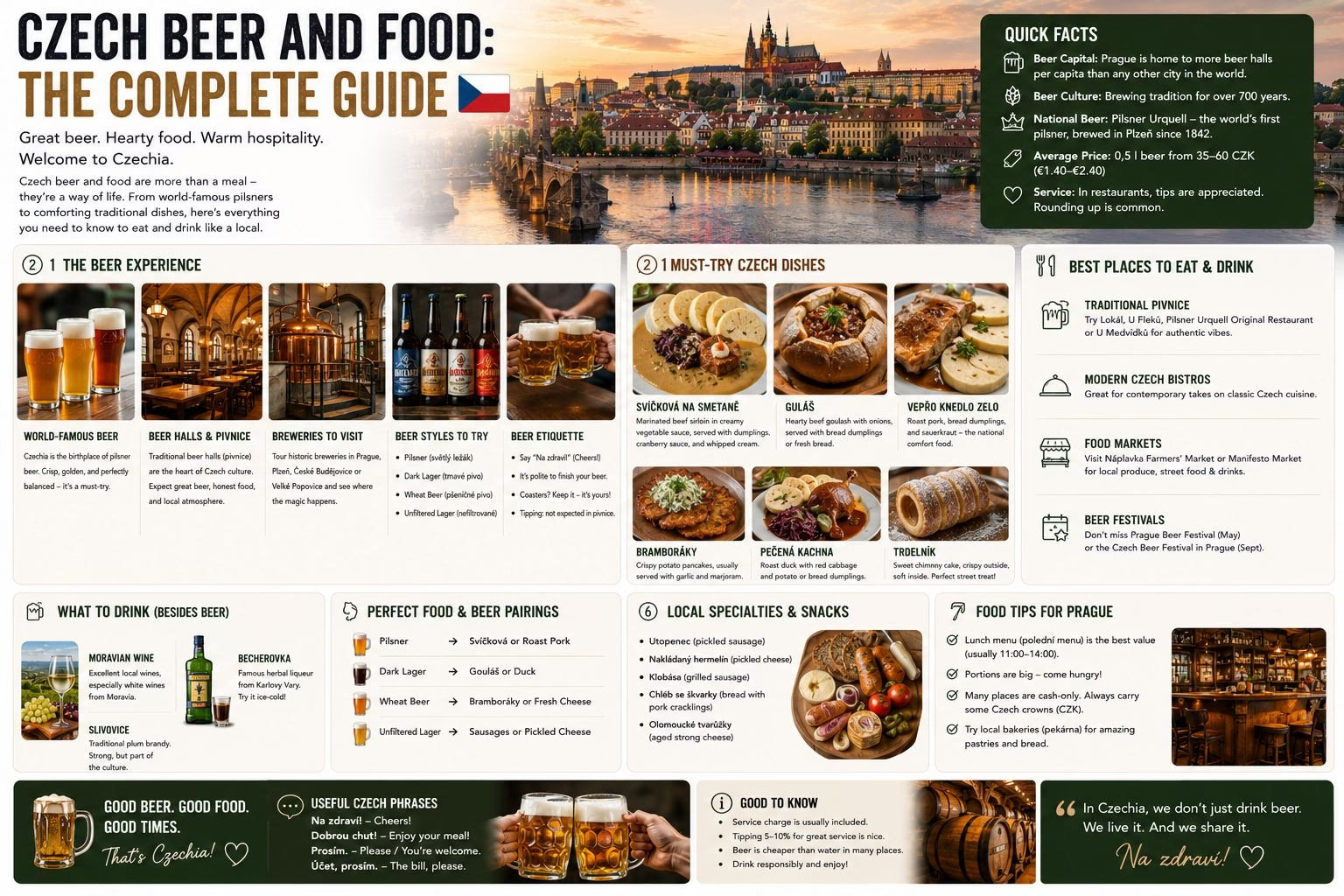
Czech food and drink culture is built around two pillars that are genuinely world-class: the beer and the pub. Czech beer, particularly the pilsner style that was invented in Plzeň in 1842 and has since been copied by the majority of the world’s lager production, is one of the great brewing traditions. The Czech hospoda (pub) is one of Europe’s most distinctive social institutions. Understanding both, and knowing how to navigate them as a visitor, is the key to understanding what Czech culture actually feels like from the inside rather than the outside.
The food culture is broader and more interesting than the international impression suggests. Czech cuisine is Central European in its foundations: pork, duck, and game as proteins; dumplings (knedlíky) as the universal accompaniment; slow-braised sauces (the svíčková beef sirloin with cream sauce is the signature dish); and the specific Czech variants of the shared Central European food tradition that distinguish it from Austrian or German equivalents. The contemporary restaurant scene in Prague, which has developed substantially since 2010, adds a layer of modern Czech and international cooking that the older guides do not cover.
The Czech Beer Guide: Start Here
The Czech beer guide covers everything a visitor needs to know about Czech beer: the beer types (Czech pilsner, Czech dark lager, Czech wheat beer), the major breweries (Pilsner Urquell, Kozel, Gambrinus, Staropramen, Budvar), the regional differences (Bohemian beer vs Moravian beer), the proper pour (the Czech pouring method is specific and produces a beer that tastes different from the same beer poured quickly), and how to navigate the tap beer versus bottled beer distinction at Czech pubs.
Czech Pub Culture
The Czech pub culture guide covers the specific etiquette and navigation of the Czech hospoda: how ordering works, the Czech system of keeping a beer tab (the beermat with marks is an institution), the specific social norms around sitting at tables with strangers (a Czech pub practice that surprises visitors), the food menu format, and how to find a genuine Czech pub rather than a tourist bar simulation.
Traditional Czech Food
The traditional Czech food guide covers the dishes that define Czech cooking: svíčková (the national dish by most measures), goulash (Czech guláš is different from Hungarian), smažený sýr (fried cheese, the Czech fast food staple), bramboráky (potato pancakes), kulajda (sour cream soup with dill and egg), and the dumpling culture that is central to Czech food.
Hub Contents
- Czech beer guide: types, breweries, how to order
- Czech pub culture and etiquette
- Traditional Czech food guide
- Best restaurants in Prague
- Vegetarian and vegan in Czech Republic
- Czech wine regions (Moravia)
- Czech street food guide
Beer and Food for Solo Travellers and Longer Stays
The Czech pub is one of the easiest places in Europe to eat and drink alone: the beermat-tab system and the custom of sharing tables with strangers, both covered in the pub culture guide, mean a solo visitor is never conspicuous at a hospoda in the way they might be at a formal restaurant. The solo travel in Prague guide has more on this. For visitors staying longer, the Expat and Nomad hub covers the practicalities of cooking and shopping day to day, once the novelty of the daily menu wears off.
Related: Prague Hub | Day Trips: Plzeň Brewery | Practical Info: Culture and Etiquette | Solo Travel in Prague | Expat and Nomad Hub