
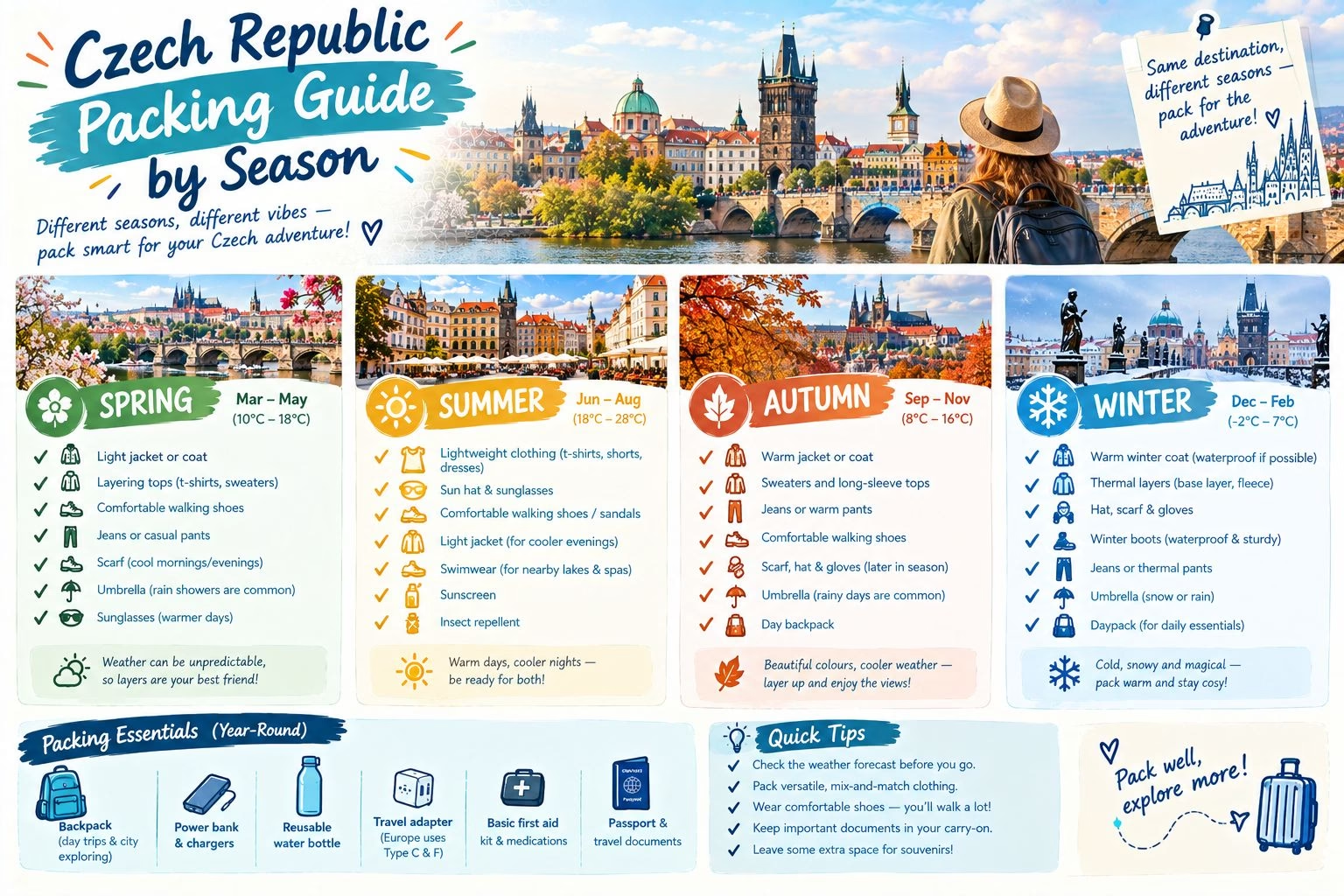
The Czech Republic has a continental climate with four distinct seasons, and packing well for each produces a significantly more comfortable experience. The cobblestone streets of Prague Old Town are the specific footwear challenge; the variable Czech spring and autumn weather is the layering challenge; and the pub and restaurant culture creates a specific dress code question that visitors sometimes overlook.
The Cobblestone Problem
Prague’s historic city centre has extensive cobblestone paving. The Old Town Square, the route to the castle through Malá Strana, and most of the historic streets in the centre are paved with uneven stone that is challenging for any shoe with a narrow heel or hard sole, and genuinely treacherous in wet conditions.
The practical rule: bring one pair of comfortable walking shoes with a flat, grippy sole for city exploration. This is non-negotiable if you plan to walk more than a mile or two on any given day; uncomfortable shoes on Prague cobblestones produce a specific kind of exhaustion that ruins afternoons. Fashion trainers, wide-sole comfortable shoes, and hiking shoes all work; fashion boots with heels do not.
Spring (March to May)
The weather is variable: cold mornings (5 to 10°C), potentially warm afternoons (15 to 20°C on good days), and rain possible at any point. The Czech Republic in spring requires layers rather than a single temperature-appropriate garment.
Pack: a medium-weight jacket or coat appropriate for 5 to 10°C; a mid-layer (sweater or fleece); t-shirts or light shirts for warm days; a packable rain jacket or umbrella. The key item is the medium jacket: without it, the temperature swing between a cold morning and a warm afternoon produces either sweating or shivering.
Summer (June to August)
Prague summers are warm, occasionally hot (25 to 33°C on the hottest days), and humid in heat waves. Standard summer clothing applies: light clothing for city days, a light layer for evenings (temperatures drop noticeably after 9pm even in July), and a rain layer for afternoon thunderstorms.
The specific summer addition: comfortable outdoor footwear for the day trip destinations. Český Krumlov requires walking on uneven medieval streets and castle paths; Kutná Hora has long walking sections between the Bone Church and the cathedral; Karlštejn involves a significant uphill walk to the castle. Sandals are fine for city days; closed, comfortable shoes are better for day trips.
Autumn (September to November)
September is still warm enough for light clothing at midday; October requires a proper jacket; November requires a coat. The transition is fast in the Czech Republic; arriving in late October expecting September conditions produces significant discomfort.
Pack: a proper warm jacket (not just a light autumn coat for late October and November), a mid-layer, waterproof shoes or boots for the frequently wet streets and the autumn rain. The specific autumn addition: good waterproof footwear, because Czech autumn streets are frequently wet and the stone paving magnifies the cold when damp.
Winter (December to February)
Prague winters are genuinely cold: expect minus 5 to 5°C regularly, with occasional drops below minus 10°C in January and February. Snow is common, and the cobblestones become genuinely slippery. Proper winter clothing is required.
Pack: a warm coat appropriate for below-freezing temperatures; thermal or merino base layers; warm socks (Czech winters make cold feet unavoidable in cheap thin socks); waterproof winter boots with grip (the Prague cobblestones in snow require a boot that grips on wet stone). Gloves and a hat; the cold in Prague is often a wind-chill cold that feels colder than the thermometer suggests.
The Christmas market period (December) combines the cold with outdoor evening activities at the Old Town Square market: add a warm scarf and plan to be outdoors for extended periods in the evening.
Specific Czech Packing Considerations
Power adapters: The Czech Republic uses Type E (two-pin with earth socket) plugs, compatible with standard continental European adapters. UK and US visitors need an adapter; standard European ones work. No specific Czech adapter is required.
Cash: Czech Republic uses koruna and is more cash-oriented than many Western European countries. Many traditional pubs and smaller restaurants are cash-only. Bring a small amount of CZK or plan to withdraw at an ATM on arrival. The airport ATMs (use a bank ATM, not a currency exchange booth) are the best first stop.
Reusable water bottle: Prague tap water is safe to drink and high quality. The drinking fountain at the square in front of the Old Town Hall provides free tap water; most restaurants provide tap water on request. A reusable bottle eliminates the need to buy plastic bottles.
What Not to Bother Packing
A few items that visitors often pack for the Czech Republic and rarely need: a universal travel adapter beyond a standard European Type E/F adapter (no special Czech adapter exists); a money belt (Prague’s pickpocket risk is real but standard urban precautions cover it without special gear); and a full formal outfit (Czech restaurants, even the better ones, are largely smart-casual rather than formal, and a collared shirt or a decent dress covers the vast majority of situations).
Related: Plan Your Trip | Best Time to Visit | Prague Guide | Practical Info